 Follow Us on Google News


 Follow Us on Google Discover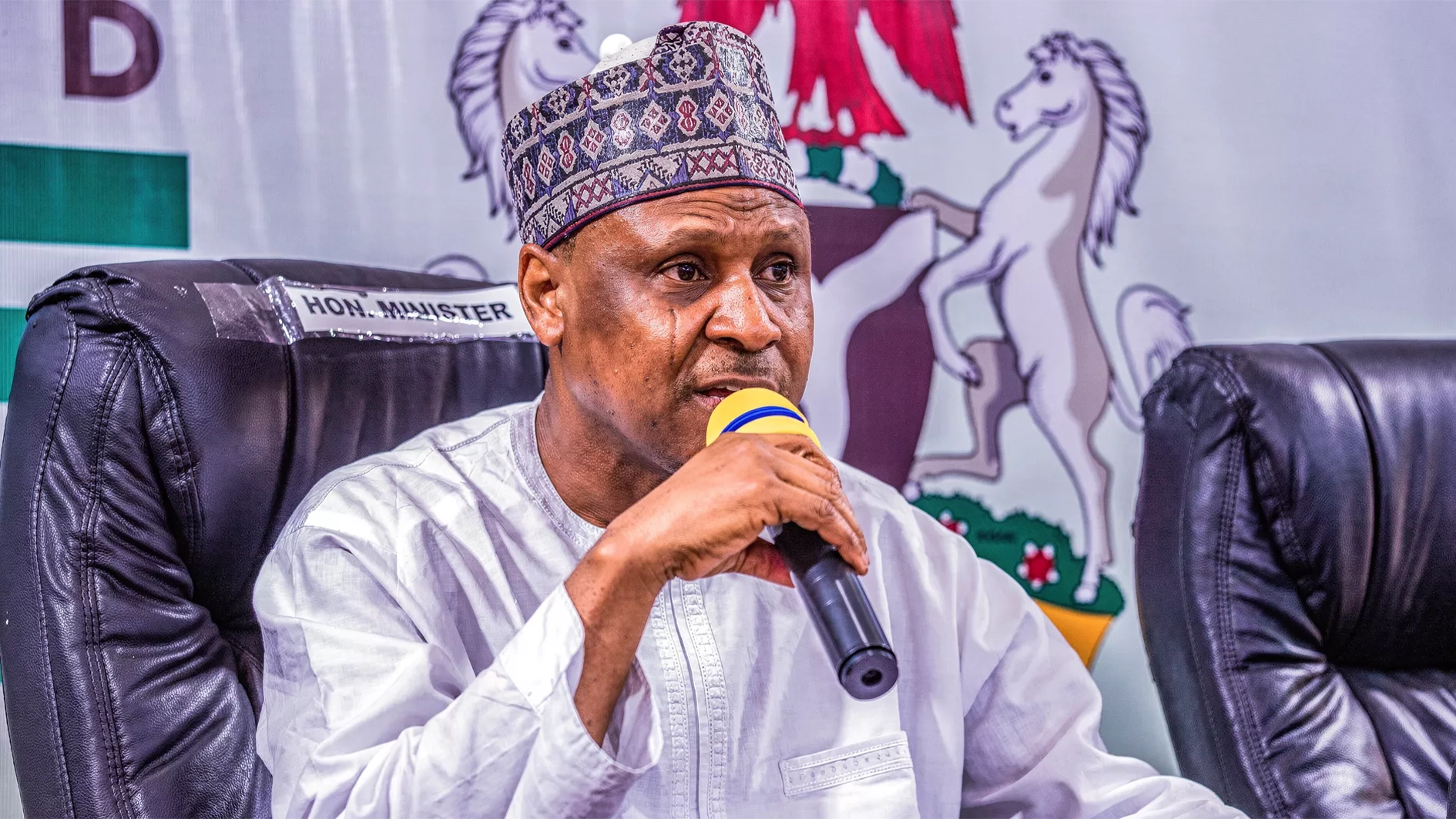
Federal Government has intensified efforts to tackle youth unemployment.
It is rallying global development partners, industry leaders, and policymakers to align investments with a nationwide skills acquisition programme targeting millions of young Nigerians.
Vice President Kashim Shettima, yesterday, called for stronger coordination and measurable outcomes, stressing that Nigeria’s economic growth depended on building a system where skills development directly translated into jobs and enterprise.
He made the call in Abuja while declaring open the National Skills and Industry Alignment Roundtable Series (Q1 2026), themed “Bridging Skills Supply and Labour Market Demand.”
The event was convened by the Office of the Vice President with support from the European Union (EU).
Represented by the Deputy Chief of Staff to the President, Senator Ibrahim Hassan Hadejia, the Vice President said Nigeria must move beyond fragmented interventions to a more structured and demand-driven approach to job creation.

According to him, although Nigeria boasts one of the largest youth populations globally, with millions entering the labour market yearly, many available jobs remain informal and disconnected from productivity and long-term growth.
“The challenge is not simply job creation, it is alignment. Nigeria does not have a talent problem. Until skills meet industry demand, job creation will remain below its full potential,” he stated.
Shettima emphasised that the Tinubu administration was repositioning the country’s job creation strategy to ensure coherence, linking training to employment and enterprise development.
“We are moving away from isolated programmes and uncoordinated investments toward a national system where skills lead to jobs, jobs lead to enterprise, and enterprise drives economic growth,” he said.
He recalled that the Office of the Vice President, with EU support, had previously mapped Nigeria’s job creation ecosystem and convened a high-level policy dialogue, which highlighted the need for private sector-led solutions.
According to him, sustainable employment cannot be driven by government alone, but requires a coordinated ecosystem where industry players actively shape workforce development.
The Vice President described the roundtable series as a structured platform aimed at fostering trust, aligning stakeholders, and driving practical, outcome-oriented solutions across sectors.
Also speaking, the Minister of Housing and Urban Development, Ahmed Musa Dangiwa, said the initiative was critical to addressing skills gaps in key sectors such as housing, where demand for skilled labour remained high.
According to him, the housing sector spans a broad value chain, from architects and engineers to artisans, and requires coordinated efforts to bridge skills shortages, reduce the housing deficit, and stimulate economic growth.
In his remarks, the EU Head of Cooperation for Nigeria and ECOWAS, Massimo De Luca, reaffirmed the EU’s commitment to supporting Nigeria’s skills development ecosystem through strategic partnerships.
He said ongoing collaborations with the Office of the Vice President, the Tony Elumelu Foundation, and other partners were focused on building skills where they were most needed within the economy.
Similarly, the Senior Special Assistant to the President on Delivery and Coordination, Akubo Adegbe, described the roundtable as part of a sustained effort to strengthen coordination across Nigeria’s job creation ecosystem.

