 Follow Us on Google News


 Follow Us on Google Discover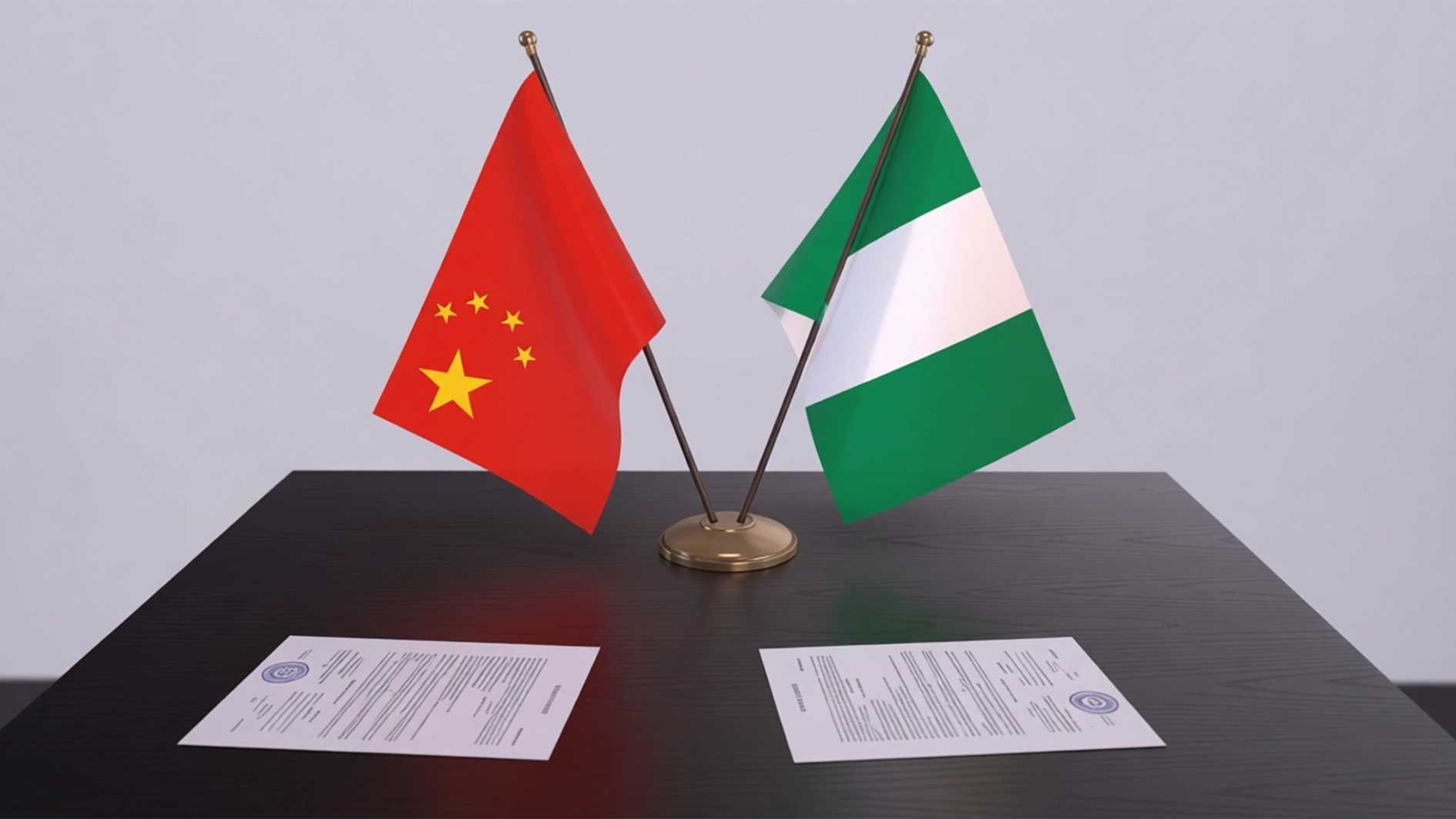
The Federal Government has reaffirmed its commitment to strengthening Nigeria’s transport and logistics sector through deeper collaboration with China, saying efficient logistics will play a critical role in achieving the country’s target of building a $1 trillion economy by 2030.
Speaking virtually at the 2026 Ningbo–Africa Trade & Logistics Cooperation Forum held in Ningbo, Zhejiang Province, China, on Monday, the Technical Adviser to the Vice President on Transportation, Logistics and Innovation, Dr. Segun Obayendo, said the government was implementing reforms and strategic partnerships to modernise transport infrastructure, improve supply chain efficiency and position Nigeria as West Africa’s leading logistics and distribution hub.
Obayendo said the administration’s Renewed Hope Agenda prioritises infrastructure development, trade facilitation, investment promotion and economic competitiveness, all of which depend on an efficient and integrated transport and logistics system.
He said Nigeria’s ambition of becoming a $1 trillion economy by 2030 would rely not only on production capacity but also on the country’s ability to move people, goods and services efficiently.
“Nigeria’s aspiration to build a one-trillion-dollar economy will depend not only on what we produce but also on how efficiently we move people, goods and services. Modern transport infrastructure, resilient supply chains and efficient logistics systems are fundamental to attracting investment, expanding trade and driving sustainable economic growth,” Obayendo said.
The presidential adviser noted that Nigeria’s strategic location, abundant natural resources, growing consumer market and access to the African Continental Free Trade Area (AfCFTA) provide a strong foundation for regional economic leadership. However, he stressed that sustained investment in multimodal transport infrastructure, modern ports, digital logistics platforms and integrated supply chain networks would be required to unlock those opportunities.

Obayendo also described China’s zero-tariff policy for exports from African countries as a significant opportunity for Nigeria to increase exports, strengthen local manufacturing, attract investment and deepen its participation in global value chains.
According to him, improving logistics capacity and trade facilitation would enable Nigerian businesses to compete more effectively in international markets while expanding the country’s export potential.
He added that Nigeria-China cooperation should go beyond increasing trade volumes to include technology transfer, industrial development, infrastructure investment, innovation and skills development capable of creating sustainable jobs.
The Technical Adviser highlighted the need for integrated logistics corridors linking seaports, inland dry ports, rail lines, highways and warehousing facilities, noting that efficient cargo movement would reduce the cost of doing business, improve export competitiveness and strengthen regional trade under the AfCFTA.
Obayendo also welcomed the proposed cooperation on port development and logistics infrastructure between GK&A Logistics Services Limited and China-base Ningbo Foreign Trade Co. Ltd., describing it as a significant step toward enhancing Nigeria’s logistics capacity and deepening bilateral economic relations.
He commended the organisers of the forum, including the Pan-African Institute for Supply Chain Innovation (PAISCI), the Ningbo China Institute for Supply Chain Innovation (NISCI) and China-base Group, for fostering practical collaboration between Africa and China.
Reaffirming the Federal Government’s commitment to policies that support efficient transportation systems, logistics innovation and sustainable industrial development, Obayendo expressed confidence that the outcomes of the Ningbo forum would strengthen Nigeria-China economic ties, attract private sector investment and improve Nigeria’s competitiveness in global trade.
He also urged governments, development partners, financial institutions and private sector stakeholders to sustain collaboration in implementing agreements reached at the forum to maximise their long-term economic benefits.

