 Follow Us on Google News


 Follow Us on Google Discover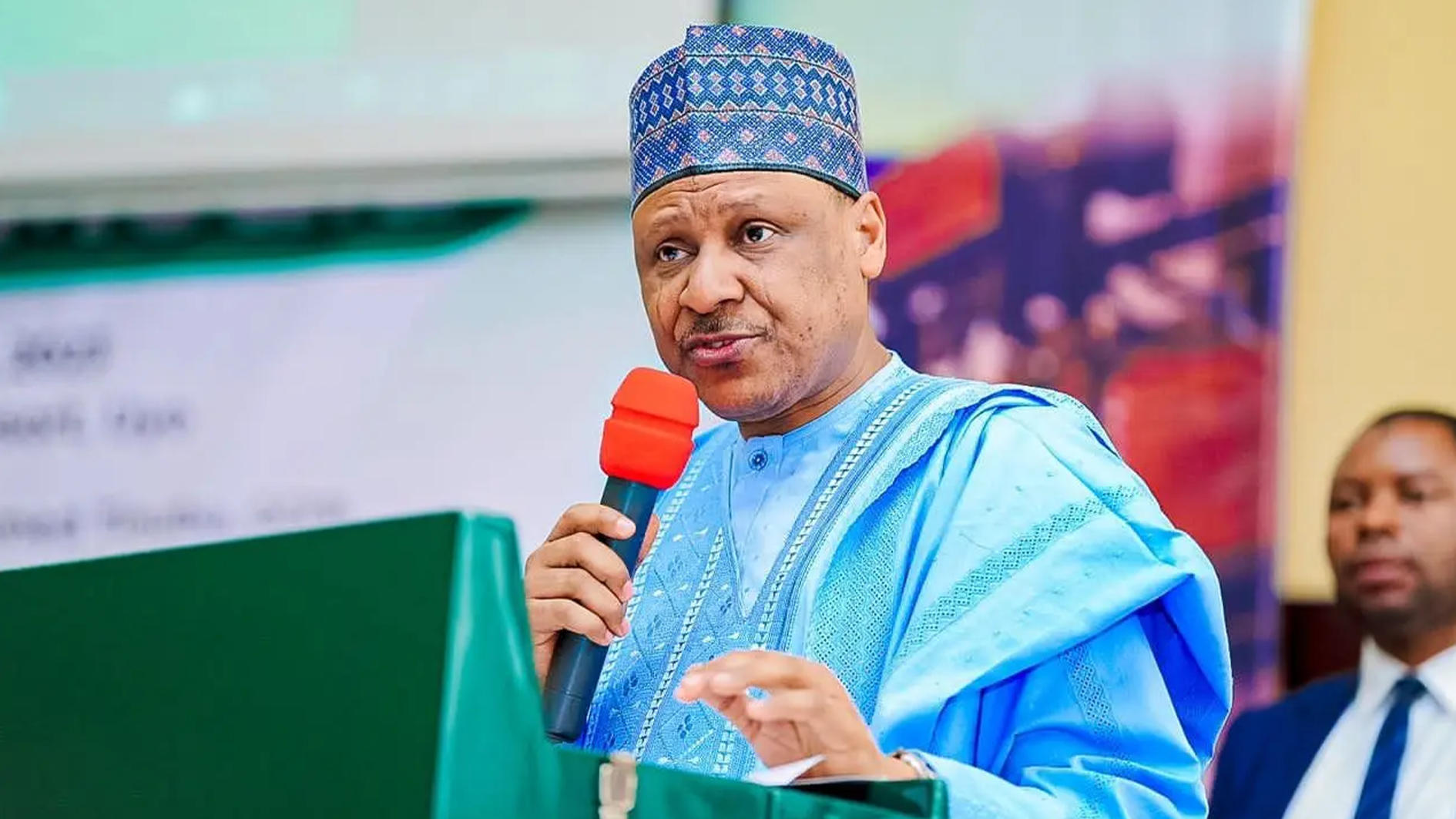
The Federal Government has stepped up efforts to combat fake news and disinformation with the launch of the International Media and Information Literacy Institute (IMILI).
The initiative is aimed at positioning Nigeria at the centre of global efforts to promote responsible information use in an increasingly digital world.
Minister of Information and National Orientation, Mohammed Idris, said the move reflects a deliberate strategy to equip citizens with the skills needed to navigate a complex and fast-evolving information ecosystem.
He spoke on Thursday at the close of the second day of the institute’s launch in Abuja, where he was represented by the Executive Secretary of the Nigerian Press Council, Dr Dili Ezughah.
Idris described the unveiling of IMILI as more than a ceremonial event, noting that it marks the beginning of a long-term national and global commitment to strengthening knowledge systems and restoring trust in information.
He said the deliberations over the two-day event, including the presentation of the institute’s 2026–2030 strategic plan and multi-sectoral panel sessions, had clearly outlined its direction and scope.

He noted that the conversations brought to the fore the urgency of building partnerships across government, academia, civil society, the private sector and the media, stressing that no single institution can tackle the challenge of misinformation alone.
According to him, IMILI is designed to serve as a platform for collaboration, innovation and measurable impact in addressing the information disorder confronting societies.
“What we have witnessed over the past two days is not just the inauguration of an institute, but the beginning of a transformative journey for Nigeria, for Africa and for the global community,” he said.
He added that: “The success of media and information literacy cannot rest on any one institution alone. It requires a whole-of-society approach anchored on partnership, shared responsibility and sustained engagement.”
The minister stressed that media literacy has become indispensable in a world shaped by rapid technological advancement, artificial intelligence and the constant flow of information.
He warned that the erosion of trust in institutions, fuelled by fake news and manipulated content, poses serious risks to governance, peace and social cohesion.
“Media and information literacy is no longer optional; it is essential. The ability to think critically, verify facts and engage responsibly is fundamental to the health of our societies and the strength of our democracy,” he added.
He said Nigeria’s hosting of the world’s first UNESCO Category 2 Institute dedicated to media and information literacy places a responsibility on the country to lead global efforts in promoting informed citizenship and responsible communication.
Idris further assured that his ministry would continue to provide institutional backing for the institute, working with UNESCO and other partners to ensure effective implementation of its programmes.
“The work does not end here. Today marks the beginning, not the conclusion, of this journey. The real task lies ahead; implementation, partnership and sustained commitment,” he said.
The idea for IMILI dates back to the tenure of former Minister of Information and Culture, Lai Mohammed, when concerns over fake news and disinformation began to dominate public discourse.
The push gathered momentum after Nigeria hosted the Global Media and Information Literacy Week in 2022, with a commitment to establish a dedicated institute to address the challenge.
The proposal later received endorsement from UNESCO member states, culminating in the establishment of IMILI as a global hub for research, capacity building and policy engagement on media and information literacy.
Speaking earlier, Lai Mohammed revisited the controversies that trailed his tenure, particularly his insistence on regulating social media and confronting fake news, positions he said often drew criticism from the public, especially younger Nigerians.
He noted that his stance on misinformation made him a target of public backlash, with many interpreting his advocacy for regulation as an attempt to stifle freedom of expression.
He also referenced the #EndSARS protests, explaining that the experience showed his concerns about how unverified information can shape narratives and escalate tensions across the country.
He further recalled the difficult decision to suspend Twitter at the time, acknowledging that the move was unpopular, particularly among Gen Z (younger generation) users and digital entrepreneurs who depended on the platform, but insisted it was taken in the national interest.
“More often than not, I was misunderstood completely. But I still insist today that there must be regulation of social media. Regulation is not censorship,” he said.
Mohammed added that: “We did not suspend Twitter for politics. We suspended it because it had become a platform for those who wanted to destabilise the country. And where there is a conflict between private interest and national security, national security must take precedence.”
He maintained that fake news remains a major threat, not only to government but to individuals and communities, warning that once misinformation spreads, it becomes difficult to contain.

