 Follow Us on Google News
 Follow Us on Google Discover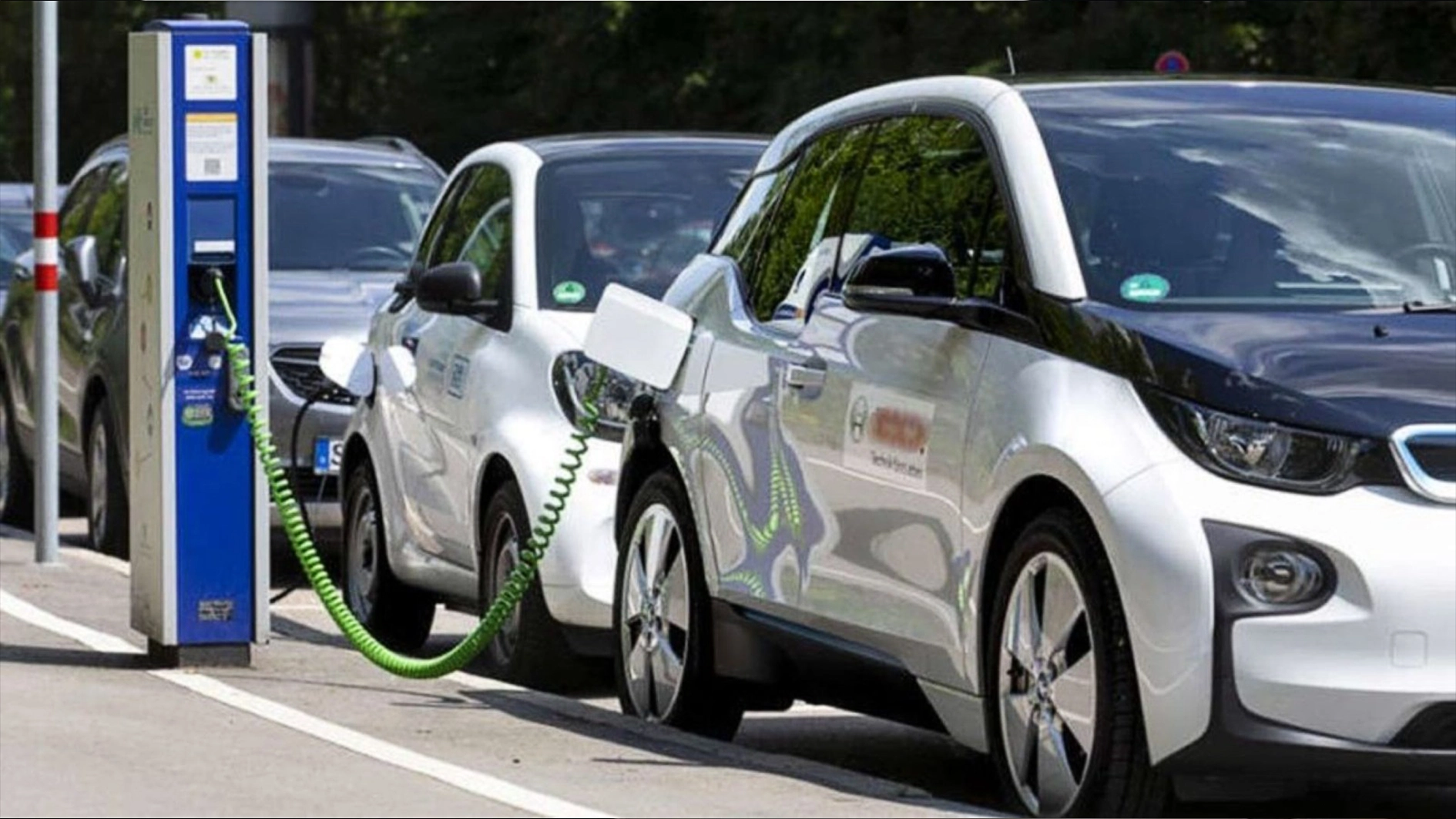
• CNG retail firms rise to 81 amid cleaner transportation drive
As part of a broader rollout of cleaner-energy vehicles under the administration of President Bola Tinubu, the federal government has taken delivery of the first batch of electric vehicles (EVs) promised to civil servants.
The Director-General of the National Automotive Design and Development Council (NADDC), Mr Oluwemimo Osanipin, disclosed this yesterday after a meeting with President Tinubu at the State House, Abuja.
Osanipin said the delivery marked the beginning of the government’s plan to expand access to electric vehicles as part of efforts to reduce transportation costs, promote cleaner energy and deepen the development of Nigeria’s automotive industry.
He also disclosed that the government had deployed electric-vehicle infrastructure in about 16 universities across the country as part of efforts to create the ecosystem required to support the transition to alternative-energy transportation.
The impact of the policies on EVs and Compressed Natural Gas (CNG) would become increasingly visible as investments in the supporting infrastructure expanded, he stated.
Stressing that the transition to alternative fuels could not be achieved through policy alone, he stated that adequate infrastructure, including filling stations, mobile refuelling units and gas production facilities, was critical to sustaining the initiative.

Meanwhile, Osanipin disclosed that the number of companies licensed to retail gas had increased sharply from about four to 81, describing the development as evidence of the growing private-sector participation in the CNG initiative.
He further highlighted the potential of CNG to significantly reduce transportation costs, citing the experience of a traveller whose fuel expenditure on a journey reportedly dropped from over N200,000 to about N40,000 after switching to CNG.
However, he acknowledged concerns that some commercial transport operators benefiting from lower CNG costs had yet to pass the savings on to commuters through reduced fares.
According to him, the next phase of the government’s intervention would focus on ensuring that the benefits of cheaper alternative energy ultimately translate into lower transportation costs for Nigerians.
He further explained that the immediate priority remained the expansion of infrastructure and ensuring adequate availability of alternative fuels, after which stronger measures could be introduced to ensure that savings enjoyed by operators were reflected in fares paid by commuters.
In the meantime, Osanipin said the council was working to strengthen the policy and regulatory framework needed to attract further investment, promote local automotive manufacturing and accelerate the development of Nigeria’s automotive industry.

