 Follow Us on Google News
 Follow Us on Google Discover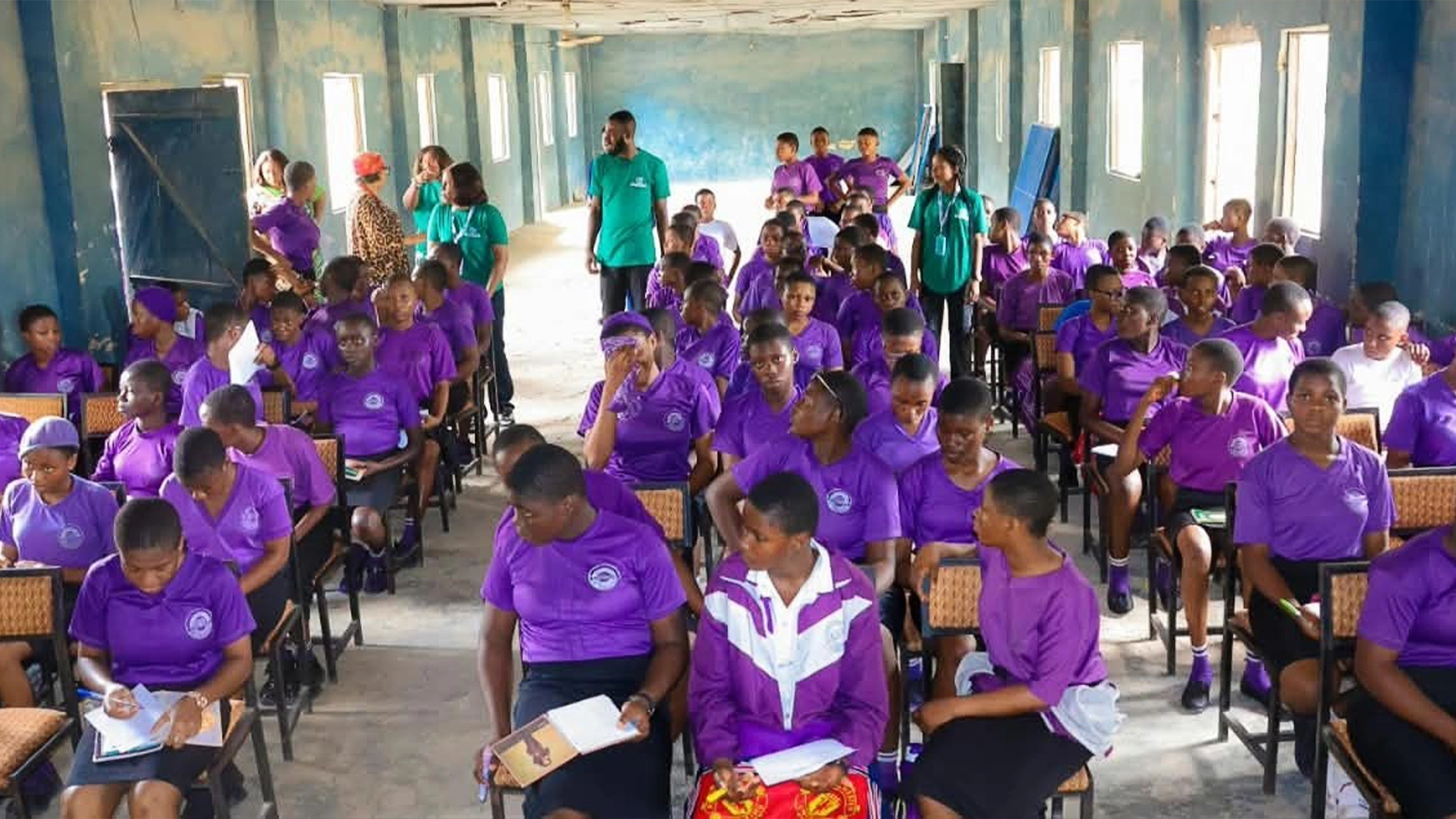
Stakeholders have called for stronger action against child marriage, sexual abuse and gender discrimination, urging parents, government and communities to protect girls’ rights and invest in their education.
They made the call at an event organised by Olumawu School, Abuja, on Friday ahead of the 2026 International Day of the Girl Child, with the theme, “End Child Marriage and Invest in Girls’ Right”.
The speakers identified poverty, harmful social attitudes and weak policy implementation as factors exposing girls to abuse, early marriage and other forms of vulnerability.
The guest speaker, Ambassador Chinwe Joyce Akubueze, urged Nigerian parents to stop treating their daughters as commodities for financial gain, insisting that girls deserved the same opportunities as boys.
Speaking on “Knowing Her Rights: Protecting the Girl Child from Child Marriage and Other Forms of Vulnerability”, Akubueze said financial hardship should not become an excuse for sacrificing girls’ education and childhood.
“Your girl child is not for trade,” she declared.

She criticised the practice of marrying off daughters to raise money for their brothers’ education, asking parents to consider the future of the girls whose opportunities were being sacrificed.
“So, if she gets married, her brothers will go to school. What happens to the child?” she asked.
Akubueze also urged girls experiencing abuse, coercion or threats to speak out and seek help from trusted adults, even when their parents were unable or unwilling to protect them.
“When they say do not talk, that’s the time to talk. When they say keep quiet, that’s the time to make noise,” she told the students.
To illustrate the consequences of abuse and silence, Akubueze recounted the experience of a young lady she identified as Onu, who was repeatedly raped by her uncle and his associates from the age of 14.
Threatened with death if she disclosed the abuse, the teenager endured it without the support she needed.
Onu became pregnant at 15 while in Junior Secondary School Three. A teacher who noticed changes in her appearance alerted her family, and a hospital confirmed that she was five months pregnant.
Akubueze said the pregnancy was terminated because of her age, leaving the teenager traumatised and disrupting her education.
Previously one of the brightest students in her school, Onu had to repeat her class. Her self-esteem suffered, and she later fell into destructive social influences before marrying at 18.
She however, said the woman eventually turned her painful experiences into a message of hope for other girls.
“Your life belongs to you. Being a girl child does not make your dreams smaller. Being a girl child doesn’t make your dreams invalid,” she said.
The speaker warned that providing children with food, clothing and school fees did not entitle parents or guardians to deprive them of their childhood or expose them to abuse. She encouraged girls to keep seeking help until someone listened to their concerns.
The keynote speaker, Emree Bello Jonah, described child marriage as a violation of girls’ rights, warning that it could undermine their education, health and future.
“Child marriage is not cultural. It is a violation,” Jonah said.
She urged girls to take their education seriously, develop practical skills and build the confidence to pursue leadership opportunities.
She also highlighted menstrual health, saying no girl should miss school because she could not afford sanitary pads.
The principal of Olumawu School, Rotimi Jiboku, called for stronger implementation of government policies designed to protect girls and support their development.
“It’s one thing to have policies, another thing to implement,” he said, urging government agencies to ensure that girls had the support needed to thrive.
Jiboku said the school provided several channels for students to report abuse and raise concerns, including anonymous reporting boxes and designated safeguarding officers.
Students at the event called for greater gender equality and more opportunities for girls to participate in leadership.
Aliyah Abdulrahman said the experience of Onu had taught her that a difficult past should not determine a person’s future.
“No matter what has happened to you before in your past, it shouldn’t reflect on who you are now,” she said.
Another student, Israel Akinteye, called for greater support for women in politics and other leadership positions, citing unequal access to education among members of his extended family as an example of the disadvantages girls face.
He urged boys and men to challenge gender discrimination and encourage girls to pursue their ambitions, saying equal opportunities would help build a more balanced society.
The International Day of the Girl Child is observed annually on October 11. Established by the United Nations in 2012, it promotes girls’ rights and draws attention to challenges including unequal access to education, discrimination, violence and forced child marriage.
The Olumawu School event brought together students, educators and advocates to discuss practical ways of protecting girls, strengthening their confidence and ensuring that their rights, education and aspirations receive greater attention.

