 Follow Us on Google News
 Follow Us on Google Discover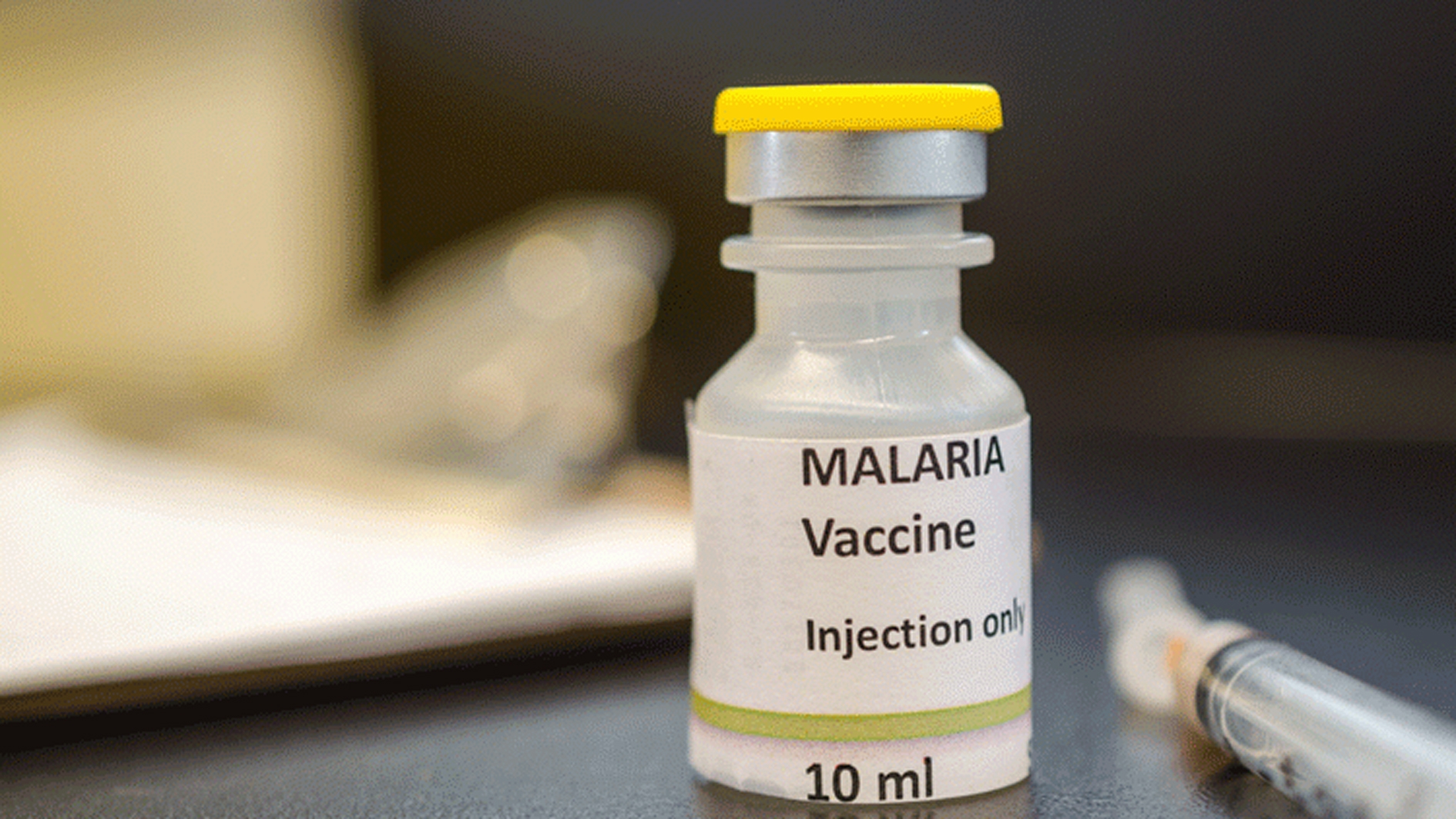
The Federal Government is deploying new tools including next-generation dual-active ingredient insecticide-treated nets (ITNs) and pioneering Larval Source Management (LSM) malaria vaccine and chemoprevention tools to tackle the high malaria burden in the country.
It noted significant progress has been made against malaria, with prevalence falling from 42 percent in 2010 to 15 percent in 2025.
Minister of Health and Social Welfare, Prof Muhammad Ali Pate disclosed this while speaking to journalists at the “Science of Defeating Malaria, a Leadership Development Course is being hosted by the Federal Ministry of Health and Social Welfare and the National Malaria Elimination Programme (NMEP), in partnership with the Institute of Genomics and Global Health.
Pate noted the decline is driven by the implementation of President Bola Tinubu’s Health Sector Renewal plan aimed at expanding the primary healthcare, deepening health insurance coverage to improve affordability and access to health care services,training frontline workers, and boosting local manufacturing of pharmaceutical products and Medical devices to reduce dependence on import.
He said, ” We are training human resource for health, improving local manufacturing of test kits, pharmaceuticals, and bed nets. There is a major manufacturer of bed nets that has now broken grounds, and another major test kit manufacturer is breaking grounds in Nigeria. So we have seen improvements over the last three years as part of President Bola Ahmed Tinubu’s, Health sector renewal
investment initiative. There are signs of progress, not just opinion, but back with data. The malaria indicator survey has shown that data very clearly. So it’s not about opinion or how, it’s about the fact that Nigeria is making progress”.
The minster noted that some states like Lagos State is currently in malaria pre-elimination stage because they have an amazing case management, testing and treatment of fever cases that ensures that whenever somebody has fever they test to know if they have malaria before any treatment is given .
” Those are the new approaches that we have put in together. and that they seems to be working, and we have now proven that in fact things can get better in Nigeria”.
On malaria vaccine which is has been rolled out in four states of Kebbi, Bayelsa , Bauchi and Ondo, the minster stated that the new malaria vaccine is only one layer adding that it works better alongside bed nets, seasonal chemoprevention, prompt testing and treatment, and other interventions.
He said, ” For the vaccine, we have had a very good experience in those states, but as you know the vaccines are only one layer that have to be built on top of other layers of simple interventions, like bed nets, intermittent presumptive treatment, seasonal Seasonal Malaria Chemoprevention (SMC), good casr management, and vaccines. The vaccine is also for children below the age of two, but it is most effective when you layer it on the back of other interventions. So we’re optimizing and as resources become more available we will continue to double down our interventions to defeat malaria”.

Pate observed that the federal government, working with states is making huge investment on malaria response adding that if they continue on that path, Nigeria can defeat malaria, which has issue an issue affecting many Nigerians.
Also speaking, a Distinguished Professor of Molecular Biology and Genomics in the Department of Biological Sciences and the Director of the Institute of Genomics and Global Health, both at Redeemer’s University , Ede, Osun state, Prof Christian Happi, said that Nigeria has moved from high malaria prevalence to moderate transmission adding that the present target is to move from moderate to low transmission and then to eventual elimination of malaria within the next 20 years.
He said,” Nigeria used to be in a situation where several studies have been high prevalence. Now we’ve gone from high to moderate, so that’s tremendous progress. We want to go from moderate to low transmission and from that low transmission, we should be talking about pre elimination and eventually elimination. But then we also need to do this in the context of Africa. So, Nigeria alone. if we do all of the work here and we don’t bring all the countries , we can’t do it because people move around”.
” So, we are trying to do this in the context of an African program where we are trying to work with neighboring countries, with countries across the continent, to bring down the burden altogether, so that as we are eliminating in Nigeria, we don’t want countries around to actually keep bringing the malaria in. So, I think we’re doing that in the context of Africa, in a way that we coordinate our actions, we coordinate our ways of doing things, but also taking into account the peculiarity of each country. So, I think with that, we should be able to eradicate malaria I believe that in the next 15, 20 years, we should be talking about eradicating malaria”.

