 Follow Us on Google News
 Follow Us on Google Discover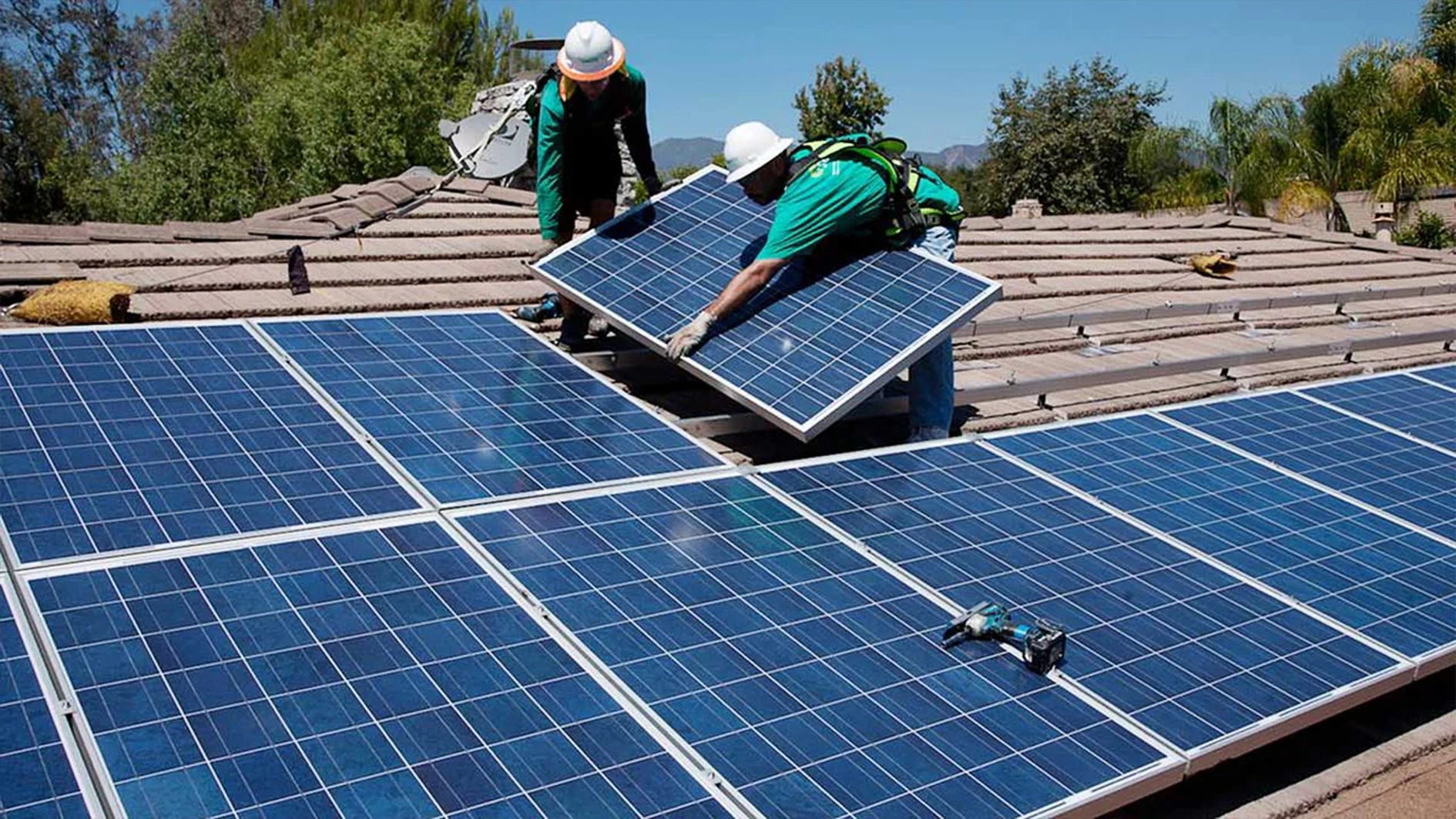
• 70% of hospitals in darkness amid RAMCO intervention
The Federal Government has unveiled a new asset management regime to prevent renewable energy infrastructure valued at more than N1.4 trillion from deteriorating, following findings that four of seven federally funded solar projects inspected under the first phase of the Energising Education Programme (EEP) had fallen into disrepair.
The intervention comes as the government disclosed that between 60 and 70 per cent of Nigeria’s primary healthcare centres still experience frequent power outages or have no electricity at all, while it directed beneficiary public institutions to begin paying sustainability tariffs to maintain renewable energy systems.
At the launch of the Renewable Asset Management Company (RAMCO) in Abuja yesterday, the Managing Director of Rural Electrification Agency (REA), Abba Aliyu, said Nigeria invested heavily in public energy infrastructure without establishing sustainable maintenance, revenue and ownership systems to preserve the assets after commissioning.
Since 2017, the EEP has deployed 82 megawatts of solar-hybrid generation across 22 federal universities and three teaching hospitals, representing about N263 billion in funding from the Federal Government, the World Bank and the African Development Bank (AfDB).
Aliyu said the agency’s assessment of seven sites delivered under the programme’s first phase found that only three remained in good or usable condition.

“These are not projections; these are assets already built. Nigeria built world-class energy infrastructure and then watched part of it deteriorate, not because of engineering failure, but because we had not adequately institutionalised what happens after the ribbon is cut,” he added.
According to him, the deterioration resulted from the absence of sustainable maintenance arrangements, dependable revenue mechanisms and a dedicated institution responsible for preserving the assets throughout their economic lives.
Going by funding since 2012, it is estimated that existing, ongoing and planned renewable energy investments, including the N263 billion EEP portfolio, more than 150MW under TETFund, Distributed Access through Renewable Energy Scale-up (DARES), National Public Sector Solarisation Initiative (NPSSI) and Desert to Power, as well as N135 billion already invested in grid-extension infrastructure, could exceed N1.4 trillion through the REA.
DARES alone is backed by about $750 million in World Bank funding.
Aliyu said another 70 to 80 public institutions could receive REA-implemented renewable energy projects within the next three years, making it critical to prevent future investments from following the same deterioration pattern.
He cited Alex Ekwueme Federal University, Ndufu-Alike as evidence that properly managed systems can deliver substantial returns. The university’s solar plant, commissioned in 2019, serves more than 9,500 staff and students and generated about N1.8 billion in savings within five years through avoided diesel purchases and electricity bills while preventing about 2,367 tonnes of carbon emissions.
To sustain such gains, Aliyu said beneficiary institutions must now pay for the electricity they consume.
Minister of State for Health and Social Welfare, Dr IziaqSalako, painted a bleak picture of electricity access across the health sector, saying up to 70 per cent of primary healthcare centres suffer frequent outages or lack electricity entirely.
Managing Director of Ministry of Finance Incorporated (MOFI), Dr Armstrong Takang, said the renewable energy challenges reflected a wider public asset management problem, noting that while government debts run into tens of trillions of naira, MOFI’s initial verification exercise could authenticate only about N1.25 trillion in public assets.
Also speaking at the event, Minister of Power, Joseph Tegbe, said the same asset management approach was now being extended to the national grid through technical audits of critical infrastructure across the Lagos, Abuja-Kaduna-Kano and Enugu-Port Harcourt corridors.
The audits are examining ageing transmission infrastructure, including damaged towers, broken insulators and failing conductor relays, while the government targets increasing wheeling capacity from about 5,000MW to 6,500MW this year and 8,000MW by the end of next year.
Chairman of REA and former governor of Ekiti State, Ayo Fayose, urged public officials to prioritise continuity over politics, warning that successive administrations often abandon inherited projects instead of preserving investments made for future generations.

