 Follow Us on Google News
 Follow Us on Google Discover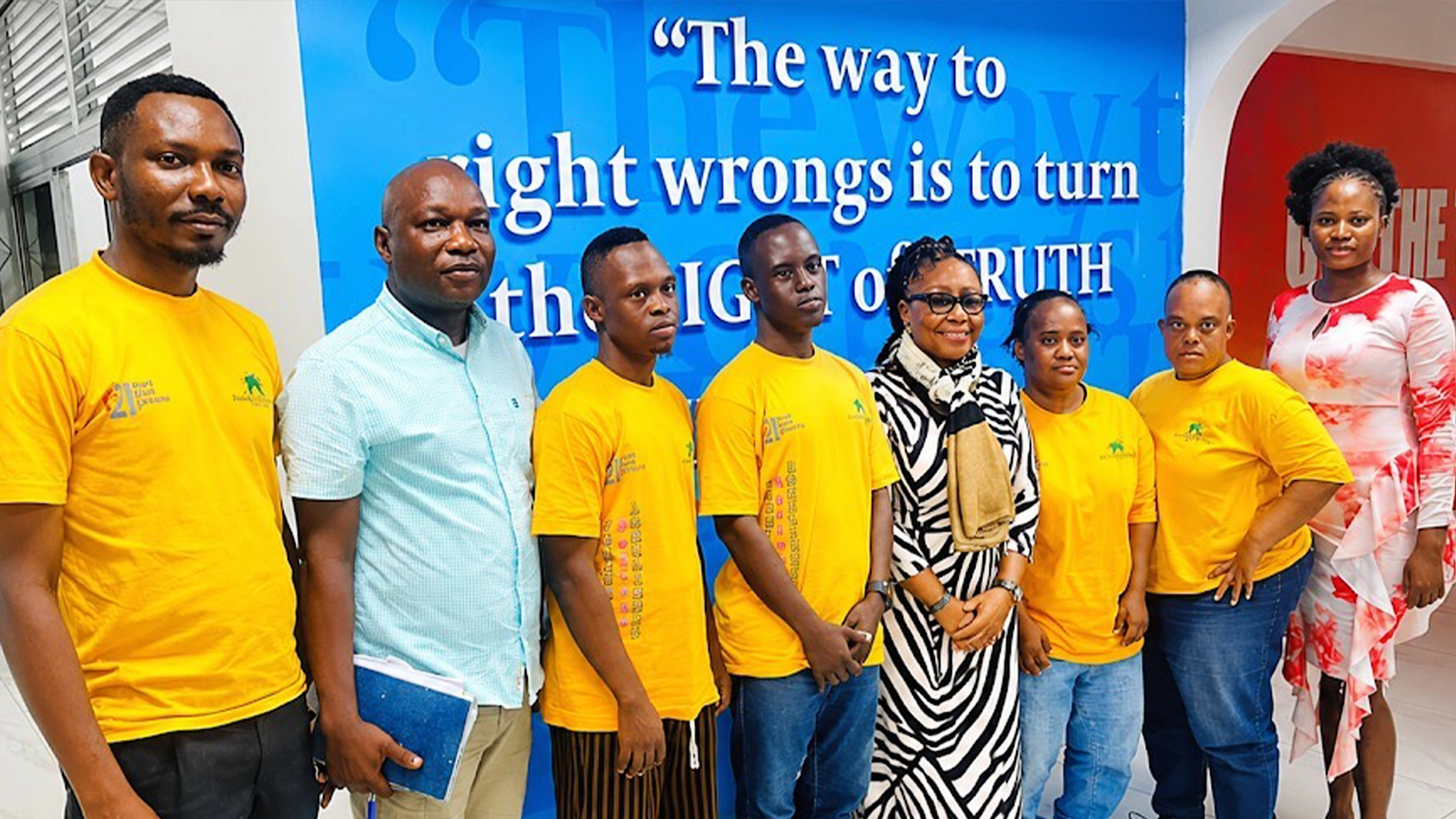
• Says 60% of affected children are born with congenital heart defect
• Decries lack of prenatal detection capacity in Nigerian hospitals
The Down Syndrome Foundation Nigeria (DSFN) has called for stronger government support and policies to promote the inclusion, independence and protection of people living with Down Syndrome, stressing that early intervention is critical to helping them reach their full potential.
The Foundation appealed during a courtesy visit to The Guardian Head Office in Lagos, yesterday, as part of activities marking its 25th anniversary and strengthening its relationship with the media.
Down syndrome is a congenital chromosomal condition caused by the presence of an extra full or partial copy of chromosome 21, known as trisomy 21.
This results in 47 chromosomes instead of the usual 46 and is associated with intellectual disability and developmental delays, which vary from person to person.
National President and Chief Executive Officer (CEO) of the Foundation, Mrs Rose Mordi, who spoke during the visit, said the organisation had spent the past 25 years advocating for people with Down syndrome, creating awareness and providing specialised support to children and young adults living with the condition.

Mordi said the anniversary provided an opportunity to reflect on the Foundation’s achievements while drawing attention to the challenges confronting people with Down syndrome and their families.
She said the anniversary programme, themed “Advancing Inclusion, Breaking Barriers and Building Future,” would include a community medical outreach on September 29 and 30, community service activities on October 6 and 7, including visits to orphanages, as well as a book launch and gala night on October 16.
According to her, the book would chronicle the Foundation’s 25-year journey, achievements, challenges and aspirations, while the anniversary would also provide an opportunity to raise funds for its programmes.
Mordi, however, appealed to the media to sustain public education on Down syndrome and help correct misconceptions surrounding the condition, saying that sustained awareness was necessary to change negative perceptions and promote acceptance.
She expressed concern over inadequate government intervention, stressing the need for policies and structures that would protect the rights of people with Down syndrome and provide access to essential services.
Mordi decried the lack of capacity in Nigerian hospitals to detect Down syndrome during pregnancy, stressing the need for early detection, care and education for families.
She stressed the importance of early intervention, saying early support was critical to helping people with Down syndrome develop their abilities and integrate into society.
Mordi also noted that about 60 per cent of children with Down syndrome were born with congenital heart defects and other comorbidities, which she noted could impose significant financial burdens on affected families.
Also speaking, the Head of the Educational and Social Services Unit, Sunday Ojo, said people with Down syndrome could develop skills and live productive lives when provided with early intervention, specialised education and vocational training.

