 Follow Us on Google News
 Follow Us on Google Discover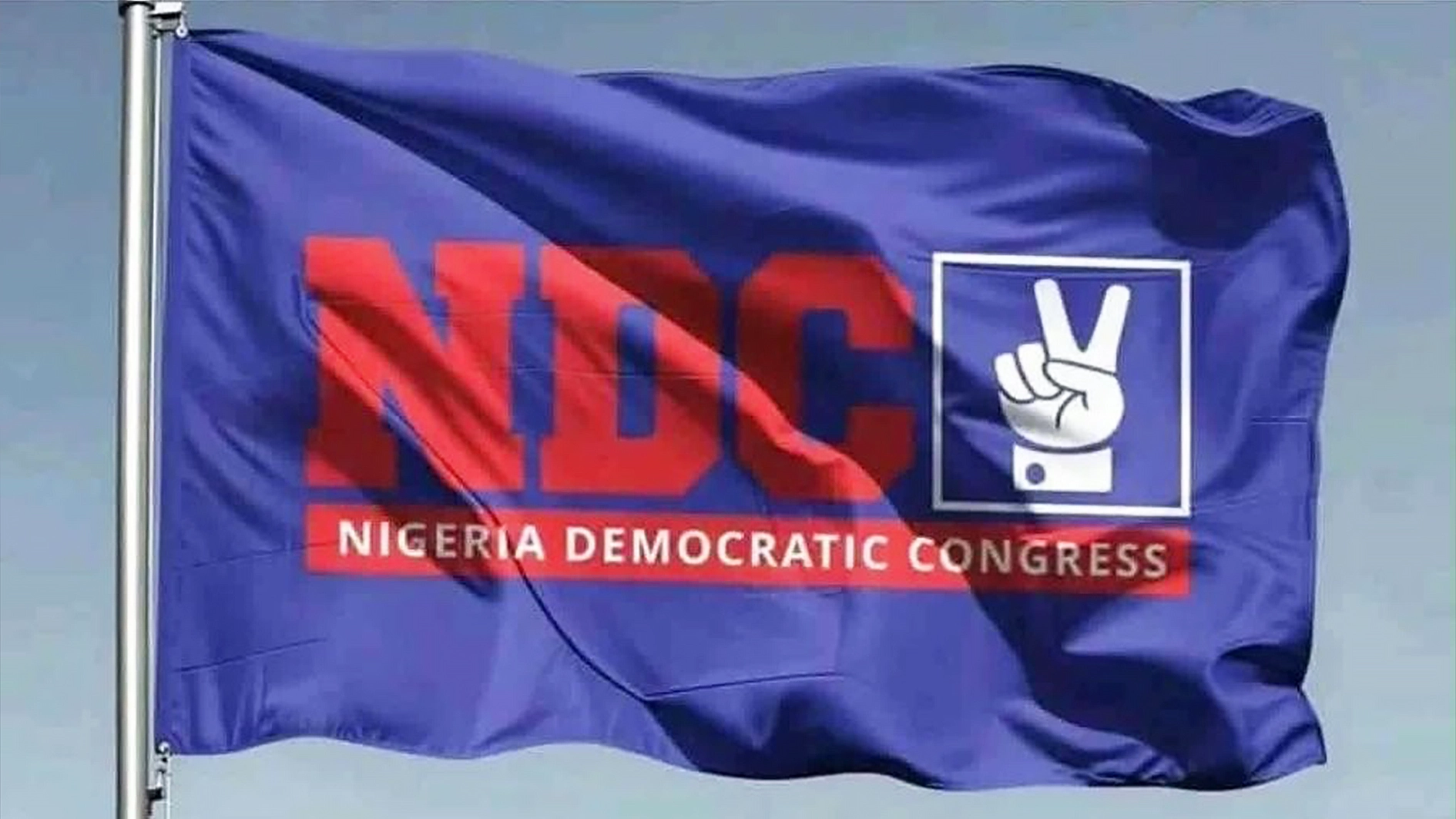
Fresh controversy has erupted over the legal status of the Nigeria Democratic Congress (NDC) following a Federal High Court ruling that set aside an earlier judgment directing the Independent National Electoral Commission (INEC) to register the party, a development that has drawn sharp reactions from opposition figures and heightened political tensions ahead of the 2027 general elections.
The ruling has reignited debate over the registration of new political parties, with opposition stakeholders warning that the decision could narrow Nigeria’s democratic space and limit political participation if not handled transparently.
The Federal High Court sitting in Lokoja, Kogi State, nullified its previous judgment after ruling that the Peace Movement Party, whose interests were directly affected by the case, was not joined in the original suit. The court consequently restored all parties to the positions they occupied before the December 10, 2025 judgment that ordered INEC to register the NDC.
Independent National Electoral Commission is yet to take any formal action, stating that it is awaiting the Certified True Copy (CTC) of the judgment before determining its next line of action.
The commission’s position means that the legal and administrative process surrounding the NDC’s registration remains unresolved, leaving uncertainty over the party’s immediate future.
Reacting to the development, opposition leaders and supporters described the judgment as a setback for democratic competition, arguing that Nigerians should be free to establish and support political parties that reflect their interests and aspirations.

Some stakeholders alleged that repeated legal challenges affecting emerging political platforms could discourage political participation and weaken the country’s multi-party democracy, particularly as political activities intensify ahead of the next general election.
Others, however, maintained that compliance with due process remains essential, insisting that every political party seeking registration must satisfy constitutional and legal requirements while ensuring that all affected parties are given a fair hearing in court.
Political analysts say the dispute underscores the increasingly complex legal battles shaping Nigeria’s political landscape, with the courts expected to play a significant role in resolving electoral and party-related disputes in the build-up to the 2027 polls.
They noted that the outcome of the case could influence not only the NDC’s registration but also establish important legal precedents for future applications by political associations seeking recognition from INEC.
Meanwhile, observers believe the electoral commission’s decision to await the Certified True Copy of the judgment demonstrates an effort to avoid actions that could complicate ongoing legal proceedings or expose the commission to further litigation.
As political parties continue consultations, coalition talks and preparations for future elections, the NDC case is expected to remain a closely watched legal and political issue, with stakeholders awaiting INEC’s next move once the court’s detailed judgment is received.
For now, the ruling has added another layer of uncertainty to Nigeria’s evolving political environment, where legal contests, electoral reforms and party realignments are increasingly shaping the road to the 2027 general elections.

