 Follow Us on Google News


 Follow Us on Google Discover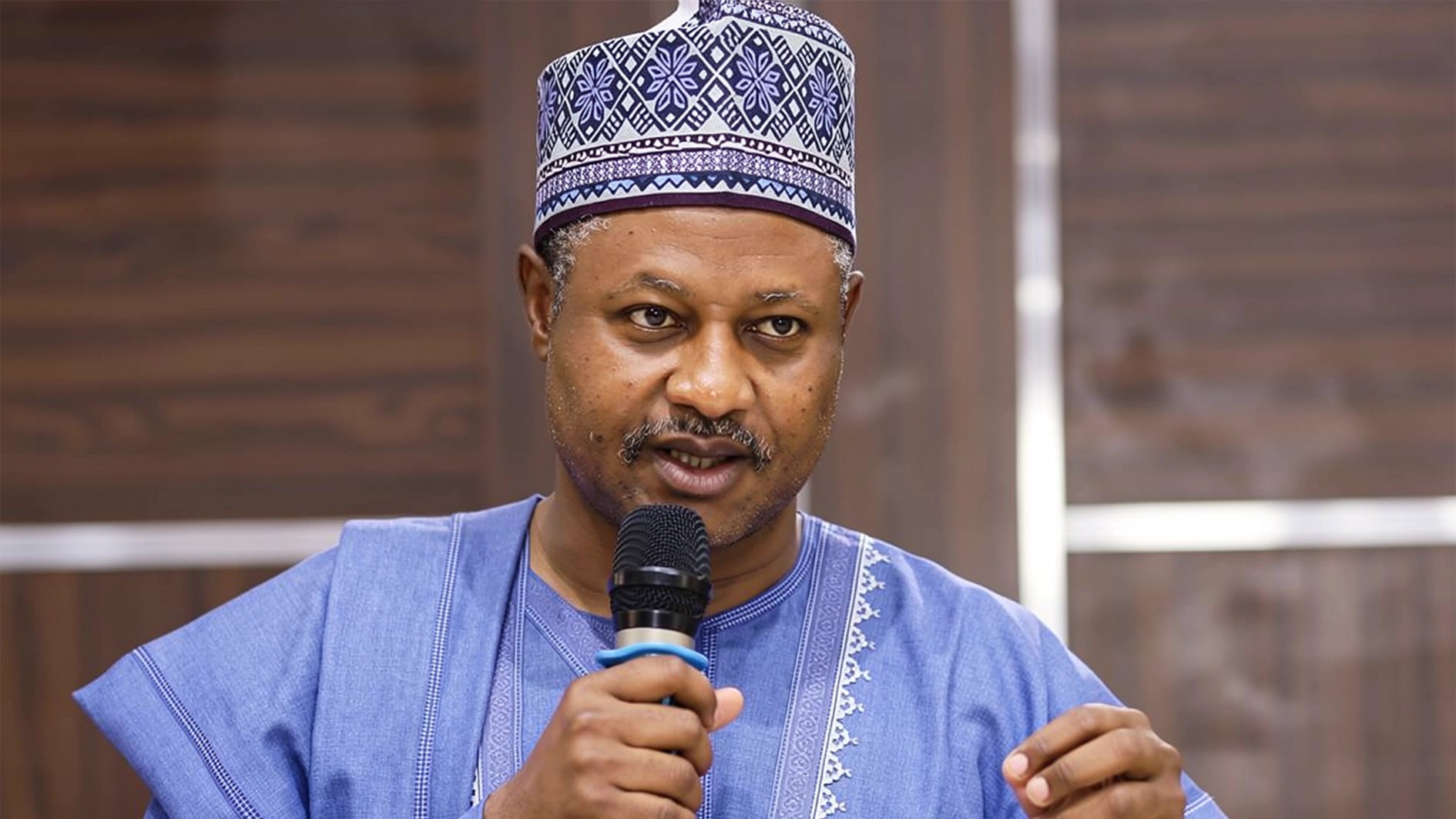
By Emmanuel Ado
“Loyalty is a characteristic trait. Those who have it, give it free of charge.” Ellen J. Barrier
For most of his adult life, Governor Uba Sani has built his politics around the people. From his days as a pro-democracy activist alongside the late Gani Fawehinmi, as Senator representing Kaduna Central Senatorial District and now as Governor of Kaduna State, the welfare of the ordinary man has remained central to his political philosophy.
It is therefore not surprising that many Kaduna residents affectionately refer to him as “Uba na Jama’a”—the people’s governor. The people recognize those who stand with them, and they have over the years reciprocated the affection that Uba Sani has consistently shown them by supporting him.
It is a known fact that in Nigerian politics, political relationships are frequently transactional. Alliances are broken as quickly as they are formed, with yesterday’s friends quickly becoming adversaries. Against this backdrop, the renewed relationship between Governor Uba Sani and Senator Shehu Sani presents a remarkable example of political pragmatism and statesmanship.
For the 2027 elections, Shehu Sani is well positioned to return as a major political actor within the APC. He will most certainly be flying the party’s flag for Kaduna Central Senatorial District. For those familiar with Kaduna State political history, it represents a significant realignment. More importantly, it reflects Governor Uba Sani’s willingness to support a former rival in pursuit of broader political and developmental objectives.

To appreciate the significance of this development, one must revisit the events of the 2019 general elections.
The contest for the APC ticket in 2019 for Kaduna Central Senatorial District was one of the most fiercely contested political battles in Kaduna State. The primary election pitted the incumbent senator, Shehu Sani, supported by the then National Chairman, against Uba Sani, a contest that exposed the deep divisions within the party.
The stakes were high, but the more grassroots-oriented Uba Sani emerged victorious and subsequently won the general election, securing the Senate seat. Shehu Sani, meanwhile, found himself pushed to the margins of mainstream political power. In the traditional playbook of Nigerian politics, such victories are often followed by political annihilation. Victors usually move swiftly to ensure that their defeated rivals never politically recover.
Governor Uba Sani possessed all the political tools necessary to have permanently sidelined Shehu Sani, his former opponent. He is in firm control of Kaduna State politics, enjoys a strong relationship with President Bola Ahmed Tinubu, and had the power to shut the door against Shehu Sani’s return. Yet he chose a different path.
Perhaps one reason lies in the history both men share. Long before electoral politics brought them into competition, they had stood on the same side of Nigeria’s democratic struggle. Both were in the trenches against military rule.
Shehu Sani himself paid a heavy personal price for his activism. During the military administration of General Sani Abacha, he was arrested and arraigned before the Major-General Patrick Aziza Special Military Tribunal on charges relating to alleged subversive activities. Initially sentenced to life imprisonment, the sentence was later reduced to fifteen years before his eventual release. His activism has often brought him into conflict with successive governments, whether under military rule or civilian administrations.
Between 2015 and 2019, he made “irritating” the then governor and the late president something of a political pastime, to the extent that, were it under a military regime, such conduct might well have attracted another appearance before a special tribunal. That was the nature of his politics—confrontational, outspoken, and often controversial.
That history is evidently not lost on Governor Uba Sani. But rather than allowing the bitterness of the 2019 contest to define their political relationship, the governor chose reconciliation over political annihilation.
Governor Uba Sani’s decision reflects a broader political philosophy—one that places the collective interest of the state above personal grievances.
He is right to conclude that Kaduna State stands to benefit more from Shehu Sani’s political inclusion than exclusion.
Despite his well-known unpredictability, Shehu Sani possesses qualities that are difficult to ignore. He is articulate, nationally recognized, politically experienced, and capable of commanding attention in national discourse. He remains one of the most visible political communicators from the North. Governor Sani’s support is premised on the fact that the National Assembly is not a place for bench-warmer legislators. It requires individuals capable of influencing debates, attracting critical projects to their constituencies, and forcefully advocating their state’s interests.
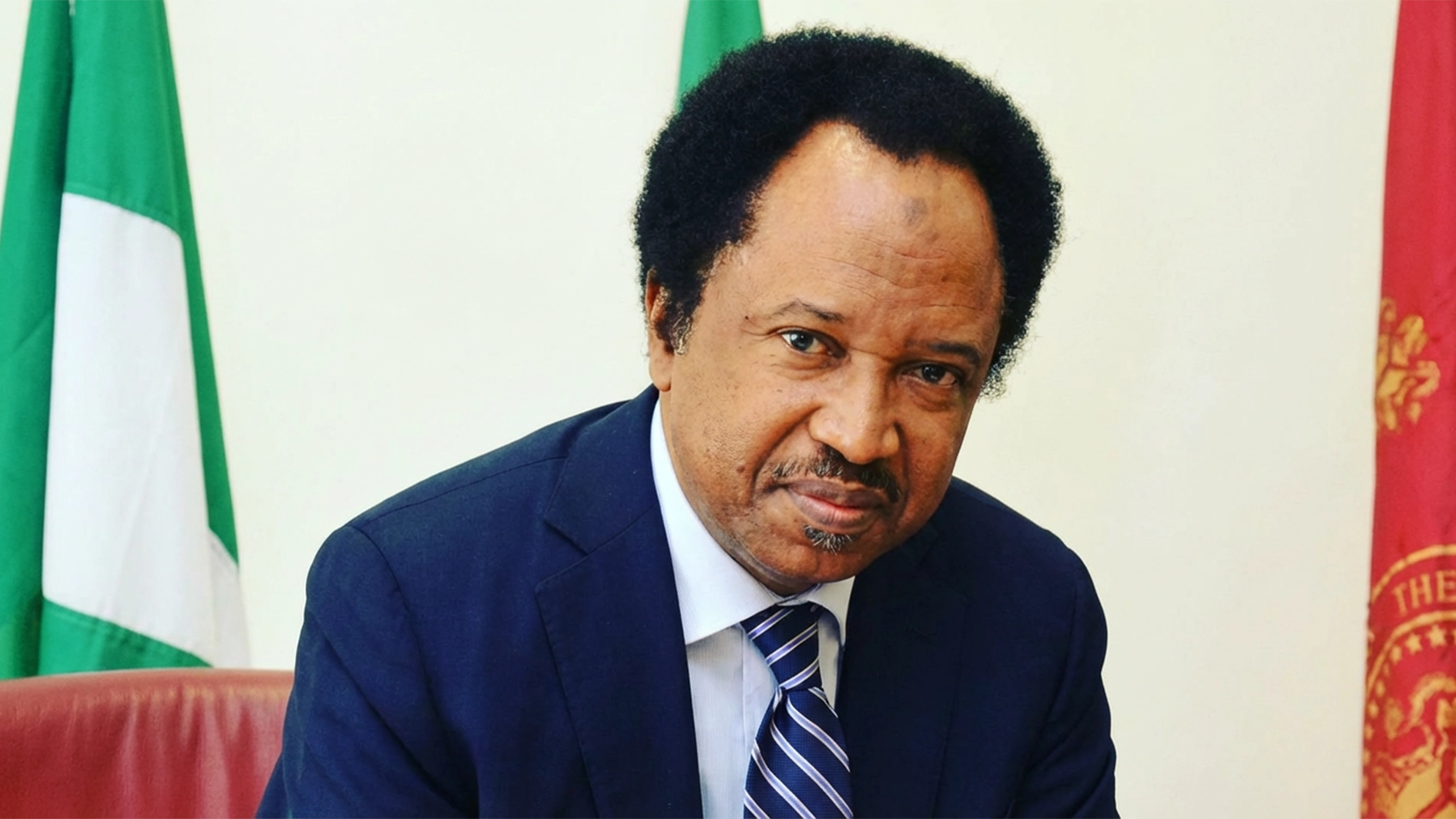
Governor Sani, by supporting Shehu Sani’s return to political relevance, appears to be acknowledging that competence and experience should outweigh past political disagreements.
This development also offers insight into Governor Uba Sani’s broader approach to political leadership. His actions suggest a preference for quality representation over blind political loyalty.
The governor understands that the success of any administration depends not only on his performance as state governor, but also on the quality of lawmakers representing the state at the federal level. Effective governance requires capable legislators who can attract projects, secure interventions, and navigate the complex realities of federal politics.
Rather than surrounding himself with loyalists, Governor Uba Sani is clearly determined to assemble a strong political team capable of advancing Kaduna State’s interests nationally. In essence, he is seeking for effective representatives.
Governor Uba Sani’s preference for candidates to emerge through consensus was driven primarily by the best interest of Kaduna State and the long-term stability of the party. Having worked closely with many of the aspirants over the years, he is well acquainted with their strengths, capacities, political experience, and ability to deliver. His position was therefore not an arbitrary imposition but a judgment informed by intimate knowledge of the individuals involved and a desire to avoid unnecessary divisions within the party.
More importantly, Governor Sani’s stance is firmly rooted in law. The Electoral Act 2022, in Section 84(2), expressly provides that “the procedure for the nomination of candidates by political parties for various elective positions shall be by direct primaries or consensus.” By advocating consensus, Governor Uba Sani was merely embracing one of the legitimate options recognized by Nigeria’s electoral framework. He certainly did not act outside the bounds of democratic practice when the law itself expressly accommodates such an approach.
It must also be stressed that there is nothing inherently undemocratic or intrinsically wrong with the consensus option as a means of nominating candidates. When properly managed by stakeholders, consensus promotes party cohesion, preserves internal unity, and reduces the bitterness that often accompanies fiercely contested primaries. It encourages consultation, compromise, and collective ownership of outcomes, thereby strengthening the party. Equally significant is the fact that consensus helps to minimise the pervasive influence of money politics. Unlike indirect primaries, which frequently create opportunities for the inducement of delegates, consensus reduces the transactional character of the nomination process and lessens the temptation to convert party contests into bidding wars. In this sense, it helps preserve both party discipline and the integrity of the electoral process.
Governor Uba Sani’s political history shows that he is capable of taking decisive and calculated action whenever circumstances demand it. His rise in Kaduna State politics was achieved through a combination of firmness, strategy, and a conciliatory leadership style. He has not come this far merely by being a “nice guy”; rather, he has combined political tact, patience, relationship-building, and an acute understanding of the dynamics of power to navigate some of the most challenging political contests in the state’s recent history.
Governor Sani’s victory over the incumbent senator, Shehu Sani, in the 2019 National Assembly election was a significant political achievement that underscored his grassroots appeal. Equally remarkable was his triumph in the 2023 governorship election. Many political observers had written off his chances following the impressive performance of the PDP in the Presidential and National Assembly elections in Kaduna State. The prevailing narrative was that the momentum had shifted irreversibly in favour of the opposition. Yet Governor Sani defied those projections and ultimately secured electoral victory. These achievements remain compelling evidence of his political resilience, strategic acumen, and ability to make difficult decisions at critical moments while keeping his eyes firmly fixed on the larger objective.
By reconciling with former rivals and integrating them into a common political platform, the governor has greatly reduced unnecessary conflict and created room for government to focus on infrastructure, economic reforms, education, healthcare, and security.
Peace, in this context, must be seen as a strategic instrument of governance. Though peace without the capacity to bear the fangs when necessary can easily be misconstrued as weakness. Uba Sani, a good student of power, understands both dimensions. He knows when to extend the olive branch and when to demonstrate firmness.
Looking back at the 2023 electoral cycle, where the APC suffered setbacks in some key contests, the defeats stemmed more from candidate-related factors than from lack of popularity of the party.
This reality partly explains Governor Uba Sani’s determination to ensure that the APC fields candidates capable of winning elections and sustaining the party’s electoral strength.
There is the need to caution those who have emerged as APC flag bearers for the 2027 elections. While Governor Uba Sani would certainly provide political backing, strategic guidance, and, where necessary, logistical support, but he expects results.
And for candidates like the Speaker of the House of Representatives, Senator Sunday Katung, and Ibrahim Hamza, who possesses the capacity to finance their campaigns, he certainly would expect them where necessary, to also support candidates without the financial muscle.
Governor Sani, as a party man, equally expects the candidates to carry party members along. Having been spared the financial and political burdens of divisive primaries, the candidates who have secured nominations must recognize that the responsibility for electoral success ultimately rests on their shoulders.
The new life Governor Uba Sani has given Shehu Sani is therefore significant.
Shehu Sani’s political journey has been marked by turbulence. Having spent years outside the mainstream of Kaduna State politics and having tested his popularity on different political platforms, and failed, he must not squander the opportunity that Governor Sani has generously given him to return to political relevance for granted. He must moderate his “outspoken nature,” which had repeatedly brought him into confrontation with powerful institutions and individuals. For instance, during the National Conference convened under President Goodluck Jonathan, his interventions frequently generated controversy among delegates. He was frequently saved by the chairman. He was also expelled from the Kaduna State chapter of the APC amid intense internal disagreements. He has experienced political victories, defeats, exclusions, and comebacks. He must learn to do things differently.
If eventually elected, Shehu Sani must justify the confidence reposed in him by the governor and the people. He should know that his return to the political mainstream will inevitably attract greater scrutiny than before. During his earlier tenure in the Senate, while some supporters admired his vocal interventions on national issues, at the home front there were misgivings about his failure to impact on his constituents. This second opportunity therefore presents him with a chance to combine his well-known advocacy with visible constituency projects, including stomach infrastructure. They are not asking for much. He must remember that Governor Uba, as senator, made a huge difference when he represented the area. He must focus on representation, service delivery, and constructive engagement, ensuring that his experience and national profile translate into concrete benefits for the people of Kaduna Central.
The relationship between Governor Uba Sani and Shehu Sani, who in 2019 had been fierce opponents, offers an important lesson for Nigerian politicians. It demonstrates that political rivalry need not translate into permanent hostility. It encourages leaders to rise above personal differences in pursuit of larger objectives.
At a time when many politicians invest enormous energy in settling political scores, Governor Uba Sani has chosen a different approach—one rooted in pragmatism and inclusion.
As Kaduna State moves toward the 2027 general elections, this strategy will ultimately strengthen both the APC and Governor Sani’s development agenda.
In Governor Uba Sani, Kaduna State has a pragmatic strategist focused on governance and political stability. In Shehu Sani, it potentially regains a vocal and experienced advocate capable of projecting the state’s interests on the national stage. The combination would certainly be beneficial for Kaduna State.
Politics may not be a dinner party, as Chairman Mao famously stated, but when guided by vision and pragmatism, it can be a vehicle for reconciliation, progress, and collective advancement of society.

