 Follow Us on Google News
 Follow Us on Google Discover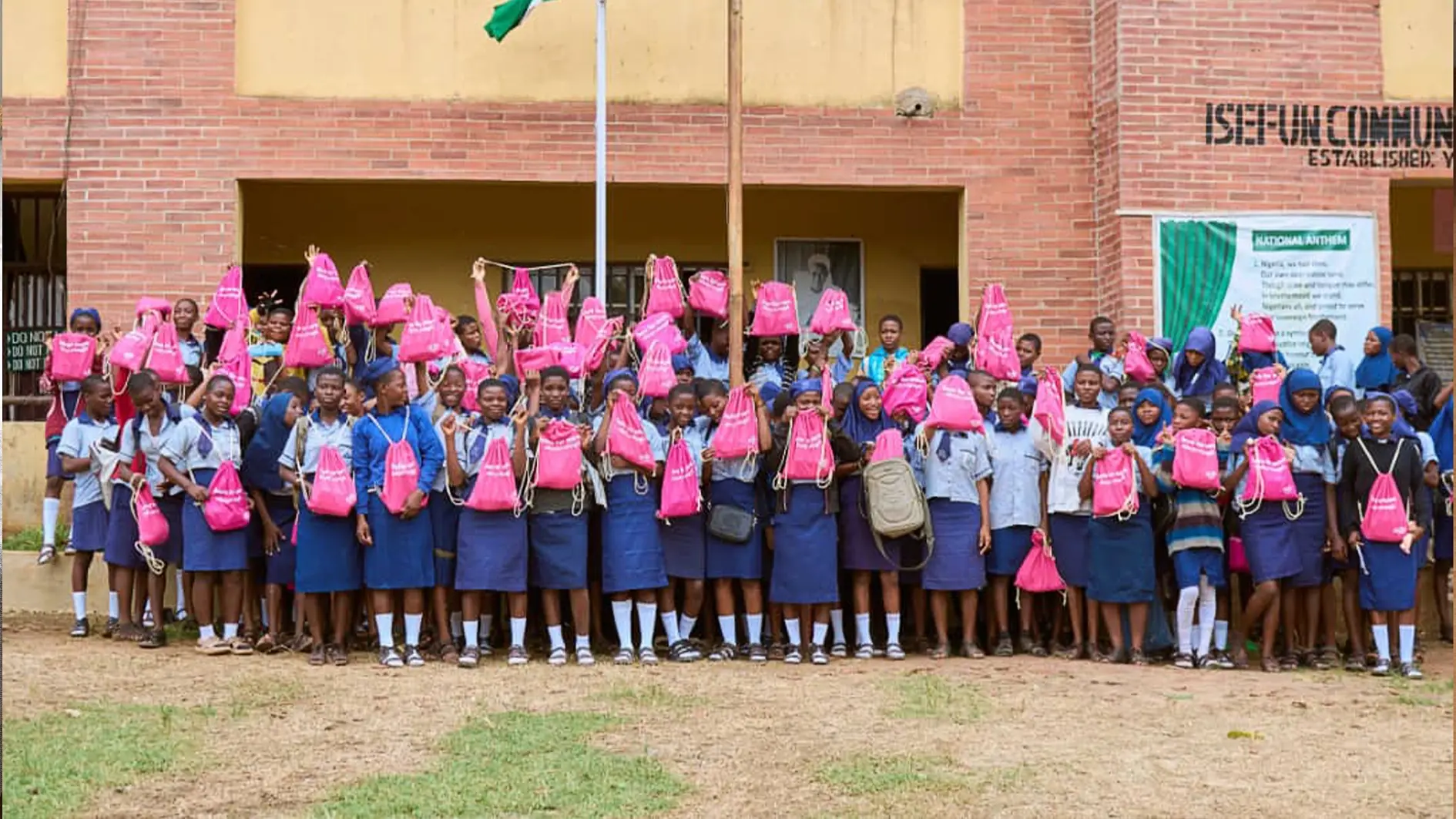
Stakeholders have urged governments at all levels to institutionalise and sustain the advocacy and community engagement on Human Papillomavirus Vaccine (HPV) uptake among adolescent girls, warning that the gains made in protecting them against cervical cancer could be lost without long-term investments.
This call was made yesterday in Abuja during the close-out and dissemination meeting of the OYA Campaign, implemented by Girl Effect, with support from Gavi, the Vaccine Alliance, in partnership with the National Primary Health Care Development Agency (NPHCDA).
According to Girl Effect, the OYA Campaign has helped over 26,000 adolescent girls receive the HPV vaccine across five states, with stakeholders calling for sustained government ownership to ensure that every eligible girl is protected against cervical cancer.
Speaking at the event, Country Director of Girl Effect Nigeria, Boladale Akin-Kolapo, said the campaign was designed to move beyond vaccine introduction to building trust and demand within communities, stating that protecting girls from cervical cancer is an investment in Nigeria’s future.
Akin-Kolapo said the organisation is not simply discussing an immunisation programme but also “about protecting futures, preventing a disease that continues to claim far too many lives, and ensuring that millions of Nigerian girls have the opportunity to grow into healthy women, mothers, leaders, innovators and contributors to our nation’s development.”
She warned that “vaccines do not save lives sitting in cold-chain facilities but save lives when people trust them, when parents understand them, when communities embrace them and when girls are empowered to access them.”

Stressing that advocacy and social and behaviour change communication must be treated as core components of immunisation programmes rather than complementary activities, she explained that “the transition from introduction to routinisation presents a new challenge.
“The issue is no longer whether communities have heard about the HPV vaccine, but whether demand remains strong year after year and whether no girl is left behind because of where she lives or her socio-economic circumstances.”
Consequently, Akin-Kolapo stated that “the future success of HPV vaccination in Nigeria will not ultimately be determined by donor investments but by the extent to which government continues to champion, resource and institutionalise these efforts.”
Also speaking, the Oyo State Commissioner for Health, Dr Oluwaserimi Ajetunmobi, said the project demonstrated the importance of community engagement and gender-responsive strategies in addressing barriers to healthcare access for adolescent girls.
She noted that empowering girls with accurate information and access to health services had significantly contributed to cervical cancer prevention and improved health outcomes.
Meanwhile, the World Health Organisation (WHO) stressed the need to sustain trust, accurate information and community participation to maintain high uptake of the vaccine, saying that vaccine availability alone would not guarantee success unless communities remained informed, engaged and empowered to make decisions that protect the health and future of adolescent girls.
WHO reaffirmed its commitment to supporting Nigeria in strengthening routine immunisation, adolescent health programmes and evidence-based behavioural interventions to ensure equitable access to life-saving vaccines.

