 Follow Us on Google News


 Follow Us on Google Discover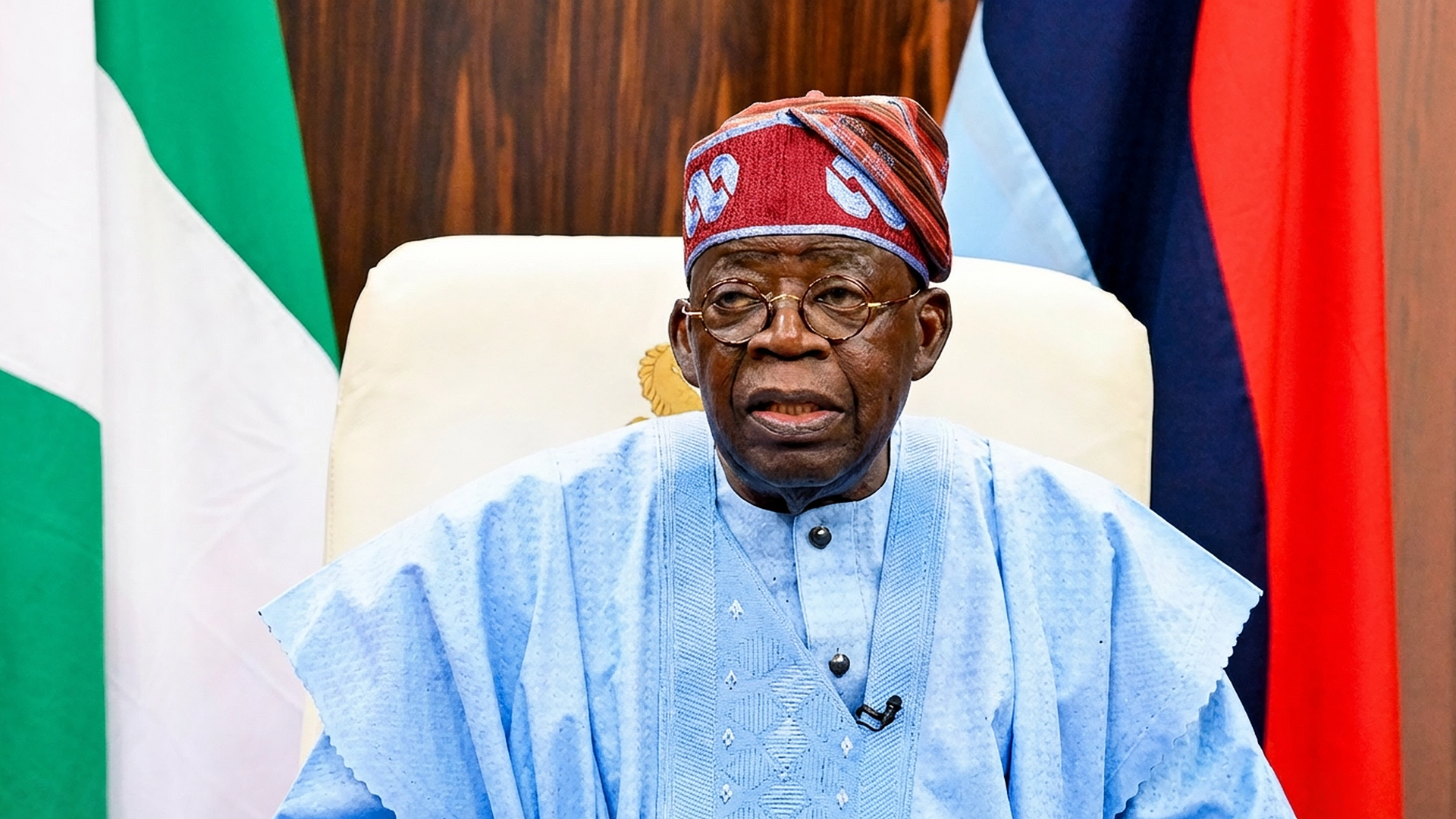
Chairman of the Alliance for Economic Research and Ethics LTD/GTE, Dele Oye, has said lapses in government across diplomacy, trade coordination and economic policy are stalling the nation’s ability to effectively compete in global markets and denying businesses access to global opportunities.
In a policy document by the alliance, Oye described the rejection of Nigeria’s ambassadors by over 60 countries as a verdict on the country’s governance quality, leading to a sharp reduction in influence in bilateral negotiations and slowing efforts to expand market access for local businesses.
Oye also raised concerns about the economic impact of abrupt policy interventions in key value chains, including restrictions affecting agricultural exports, noting that inconsistent consultation with industry stakeholders contributed to price volatility and disrupted planning for small-scale producers and processors, particularly in rural communities that depend heavily on export-linked livelihoods.
He further criticised the limited integration of the organised private sector representatives in high-level diplomatic engagements, waning that without structured participation in bilateral discussions and trade missions, Nigerian firms may struggle to translate political relationships into concrete commercial outcomes, leaving them at a disadvantage compared to competitors from countries that adopt more coordinated government-business approaches.
“In March 2026, President Bola Tinubu approved the deployment of 65 ambassadors and high commissioners to restore Nigeria’s diplomatic presence after a troubling 30-month vacuum. The announcement should have signalled institutional recovery. Instead, it triggered an international embarrassment that exposed systemic failures in Nigeria’s governance architecture.
“The crisis is stark: only the United Kingdom and France have granted agrément (“formal diplomatic approval”) to Nigeria’s nominees. The remaining 63 designees remain in limbo, rejected not for lack of qualifications, but because the Presidency ignored a fundamental diplomatic protocol: the ‘two-year convention’.

“India, where Muhammad Dahiru was designated to serve, has explicitly invoked its standing policy: it does not accept ambassadors from administrations with less than two years remaining in office. Germany, Mexico and reportedly over 60 countries are following similar conventions. Their reasoning is unassailable: why accredit an envoy who might serve only months before Nigeria’s January 2027 election and potential May 2027 administration change?” he said.
According to him, nothing demonstrates this institutional lack of coordination in government more than unveiling of former governor of Kebbi State, Usman Dakingari, as Nigeria’s designate envoy to Turkiye on January 22, 2026 — only to pirouette offstage the very next day, citing a ‘naming mix-up for a man who has not even been cleared by the National Assembly.
He added: “Former Ambassador Ogbole Amedu-Ode captured the institutional failure on the 63 ambassador designates: ‘The mistake has been made by the incumbent administration already because they shouldn’t have waited two to three years into their term before nomination, screening and deployment of heads of missions.
“This is not merely a diplomatic miscalculation; it is a governance pathology where executive will systematically substitutes for institutional process. While the ambassadorial crisis exposes foreign policy dysfunction, a parallel and equally troubling concentration of power has occurred through the Nigeria Revenue Service (Establishment) Act 2025 and the Nigeria Tax Administration Act (NTAA) 2025.
These statutes have affected a radical consolidation of trade facilitation and revenue administration functions within the NRS functions that legally and logically belong to specialised agencies established for precisely these purposes.”

