 Follow Us on Google News
 Follow Us on Google Discover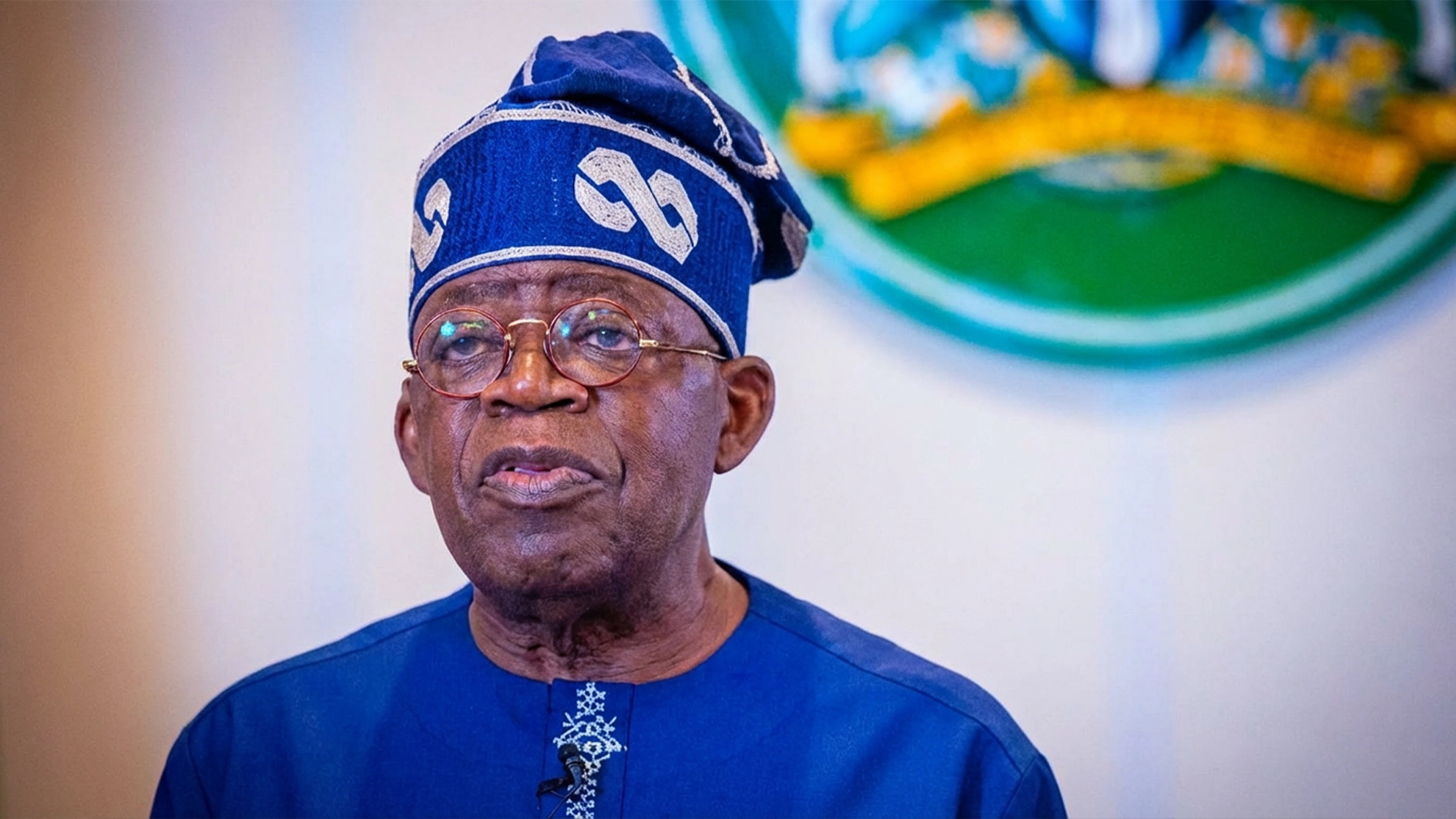
President Bola Tinubu on Monday night brought together state governors across party lines for a Ramadan Iftar at the State House, Abuja, in what observers see as both a religious observance and a subtle political convergence at a critical time in the national calendar.
The fast-breaking dinner, which commenced shortly after 6:30 pm, is the third consecutive Ramadan gathering President Tinubu has hosted for governors since assuming office.
While officially a spiritual engagement marking the holy month, the meeting provided a rare informal setting for federal and state leaders to interact behind closed doors.
Governors who arrived at the Presidential Villa from about 6:15 p.m. included Hope Uzodinma (Imo), Dapo Abiodun (Ogun), Monday Okpebholo (Edo), Usman Ododo (Kogi), Babagana Zulum (Borno), Inuwa Yahaya (Gombe), Ahmed Aliyu (Sokoto), Sheriff Oborevwori (Delta), Mohammed Bago (Niger), Umar Namadi (Jigawa), Abdullahi Sule (Nasarawa), Abba Kabir Yusuf (Kano), and Agbu Kefas (Taraba), and Hyacinth Alia (Benue).
The Deputy Governor of Bauchi State was also present.
Vice President Kashim Shettima, Chief of Staff to the President Femi Gbajabiamila, and several cabinet members joined the gathering.

Though details of discussions were not immediately available, past Ramadan Iftar meetings hosted by the President have doubled as opportunities to reinforce intergovernmental cooperation and appeal for unity amid national challenges.
The Iftar forms part of a broader series of Ramadan engagements lined up at the State House, with more gatherings expected in the coming days.
“Ramadan Ifter” is the evening meal that breaks the daily fast during Ramadan, observed by Muslims worldwide at sunset following the Maghrib prayer call (adhan).
Ramadan 2026 fasting runs from around February 15 to March 16, with Iftar times varying by location, typically 6:00-7:00 PM in Nigeria.
The fast traditionally opens with three dates and water, emulating Prophet Muhammad, followed by prayer and a communal meal of soups, fruits, samosas, or hearty dishes like biryani. It’s a time for charity (Sadaqah), family gatherings, and reflection.
In places like Abuja, Iftar often features local flavors such as puff-puff, akara, or moi moi alongside dates, with mosques and homes hosting shared meals amid community prayers.

