 Follow Us on Google News
 Follow Us on Google Discover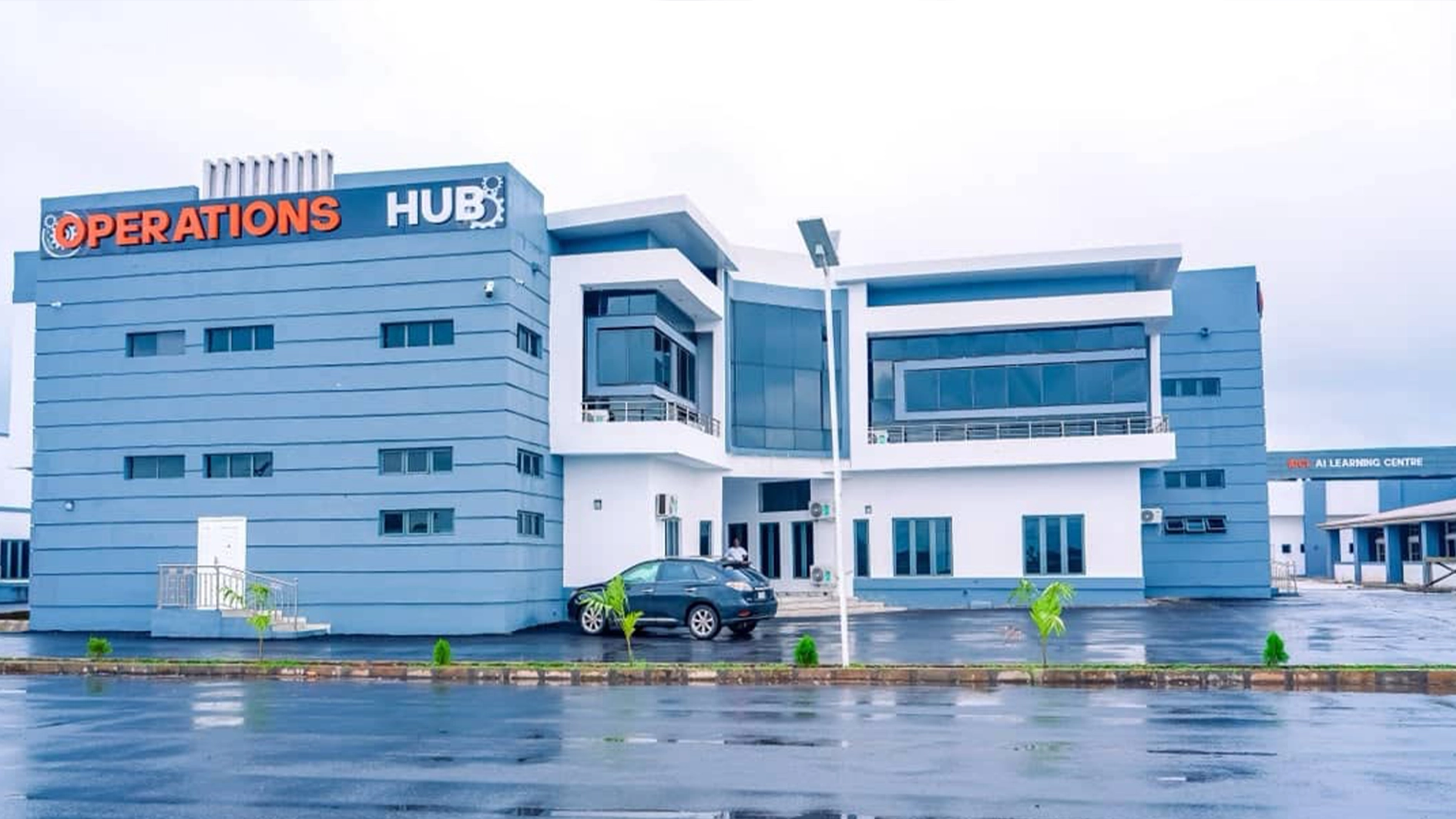
At first glance, Imo Digital City looks like a technology training centre. But beyond the classrooms are facilities where smartphones are assembled, drones are built, startups are developing digital solutions and thousands of young people are acquiring skills for careers in the digital economy.
The facility was one of the major attractions during the Presidential Media Tour of Projects in Imo State, organised by the Renewed Hope Ambassadors (RHA) in collaboration with the Presidential Media Team to showcase projects being implemented under President Bola Tinubu’s Renewed Hope Agenda. The tour had earlier covered Ebonyi, Enugu and Abia states.
Guiding journalists round the complex, the Commissioner for Digital Economy and E-Government, Dr. Chimezie Amadi, described the project as one of Governor Hope Uzodimma’s signature investments aimed at empowering young people through technology and innovation.
He said Imo Digital City was established as an innovation hub and digital entrepreneurship centre to produce the next generation of technology professionals and entrepreneurs.
According to him, more than *75,000 youths* have been trained through the state’s Skill Up Imo programme in digital skills ranging from basic digital literacy to software engineering, cloud computing, cybersecurity, artificial intelligence, robotics and the Internet of Things.
The commissioner said many of the beneficiaries have secured employment, launched startups or are providing digital solutions for businesses and government agencies.

One of the highlights of the visit was the digital device assembly plant located within the complex.
There, trainees and technicians assemble smartphones, feature phones, tablets, routers and monitors under the *ImoSys* brand.
Officials at the plant said it currently has the capacity to assemble up to *1,000 phones daily*, operating morning and night shifts.
The devices are assembled from components sourced from different parts of the world before being sold within Imo and in other parts of the country.
Amadi said the assembly plant was established to promote indigenous manufacturing while giving young people practical skills and employment opportunities.
“We are also promoting indigenous manufacturing of digital technology equipment,” he said, adding that the facility was helping to reduce dependence on imported finished devices while building local technical capacity.
Beyond the assembly line, the Digital City houses laboratories for robotics, drone technology and artificial intelligence, where trainees are taught how to build robots, write software codes and operate drones.
The commissioner said startups operating within the facility are already developing technology solutions for transportation, education and security, while some are using artificial intelligence to improve vehicle tracking and enhance public safety.
“The entire world is moving towards digitisation and automation. Government intends to create a smart economy that will drive digital governance, innovation and job creation,” Amadi said.
He attributed the sustainability of the project to its public-private partnership model, noting that it has attracted about *$15 million* in investment from partners, including the University of California, Berkeley, Cisco and other technology organisations that provide funding, technical support and curriculum development.
According to him, the widespread acceptance of the initiative among young people and businesses in the state has also strengthened its long-term future.
Also speaking during the tour, the Chief Executive Officer and Founder of TEMSCONSU, Valentine Waturuocha, said companies operating within the Digital City are already deploying drones, robotics and artificial intelligence to address challenges in security, telecommunications, logistics and infrastructure management.
“We deploy drones, robotics and artificial intelligence in security surveillance and a wide range of other areas,” he said.
Waturuocha disclosed that his company is developing drone technology capable of supporting security operations by detecting concealed weapons from the air, adding that the solution would soon be demonstrated publicly.
He also revealed that discussions were underway with telecommunications infrastructure company, IHS Towers, on the use of drones to inspect telecom towers instead of relying solely on engineers to climb the structures.
“One of the reasons mobile networks experience disruptions is the challenge of monitoring towers. Instead of sending people to climb the towers, drones can inspect them and report faults in real time,” he said.
According to him, the same technology can also be deployed for mapping, delivery services and logistics, making operations faster and more efficient.
“It is about cost savings and time savings. You are supporting manpower with faster and more efficient technology,” Waturuocha added.
As journalists moved through the various sections of the facility, from the phone assembly plant to the robotics and drone laboratories, the Digital City presented a picture of a technology hub where digital skills training is combined with innovation, manufacturing and entrepreneurship.
For the Imo State Government, the project represents an effort to prepare young people for opportunities in the digital economy by equipping them with practical skills, encouraging local technology production and supporting startups capable of competing beyond the state’s borders.

