 Follow Us on Google News


 Follow Us on Google Discover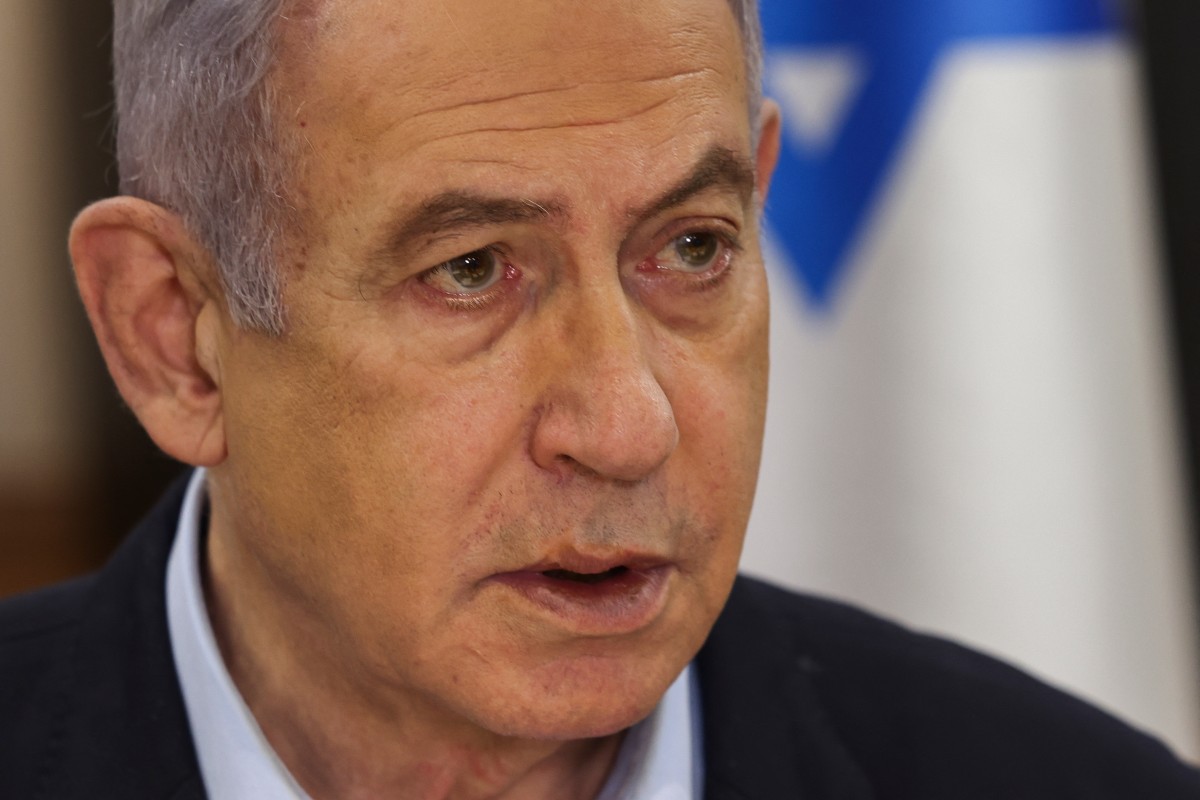

Prime Minister Benjamin Netanyahu will convene the high-level security cabinet in Tel Aviv on Tuesday to approve a 60-day ceasefire with the Hezbollah terror group in Lebanon after more than a year of war, an Israeli official told The Times of Israel yesterday.
At the same time, the official stressed that Israel was accepting a cessation of hostilities, not an end to the war on Hezbollah. “We don’t know how long it will last,” the official said of the ceasefire.
“It could be a month, it could be a year.” Since October 8, 2023, Hezbollah-led forces have attacked Israeli communities and military posts along the border on a near-daily basis, with the group saying it is doing so to support Gaza amid the war there.
Some 60,000 residents were evacuated from northern towns on the Lebanon border shortly after Hamas’s October 7 onslaught, in light of fears that Hezbollah would carry out a similar attack, and due to increasing rocket fire by the terror group.
Israel has been trying to enable the residents’ return, including through an ongoing ground operation. Meanwhile, G7 Foreign Ministers are set for a meeting to reach a common position on the recent arrest warrant issued for Netanyahu by the International Criminal Court of Justice, ICC.
Italian Foreign Minister Antonio Tajani, who is hosting the two-day conference, said on Monday that he does not think reaching a consensus on the arrest warrant will be difficult.
The ICC last Thursday issued arrest warrants for Netanyahu and the recently dismissed Israeli defence minister Yoav Gallant.
The warrant which also affected the Hamas military leader Mohammed Deif, followed alleged war crimes relating to the conflict in Gaza.
Israel’s allies had criticised the decision and member states of the ICC were generally obliged to enforce the arrest warrants, though there is disagreement over how to handle Netanyahu’s case.
In addition to the Middle East crisis, the war in Ukraine and the implications of Donald Trump’s re-election as U.S. president for the international order are among the main topics on the agenda for the meeting, which is the final one between the G7 foreign ministers for this year.
“It’s not an immediate and actual problem. I don’t think Netanyahu will come to Italy or anywhere else,” he told the Italian daily newspaper Corriere della Sera before the meeting.

