 Follow Us on Google News


 Follow Us on Google Discover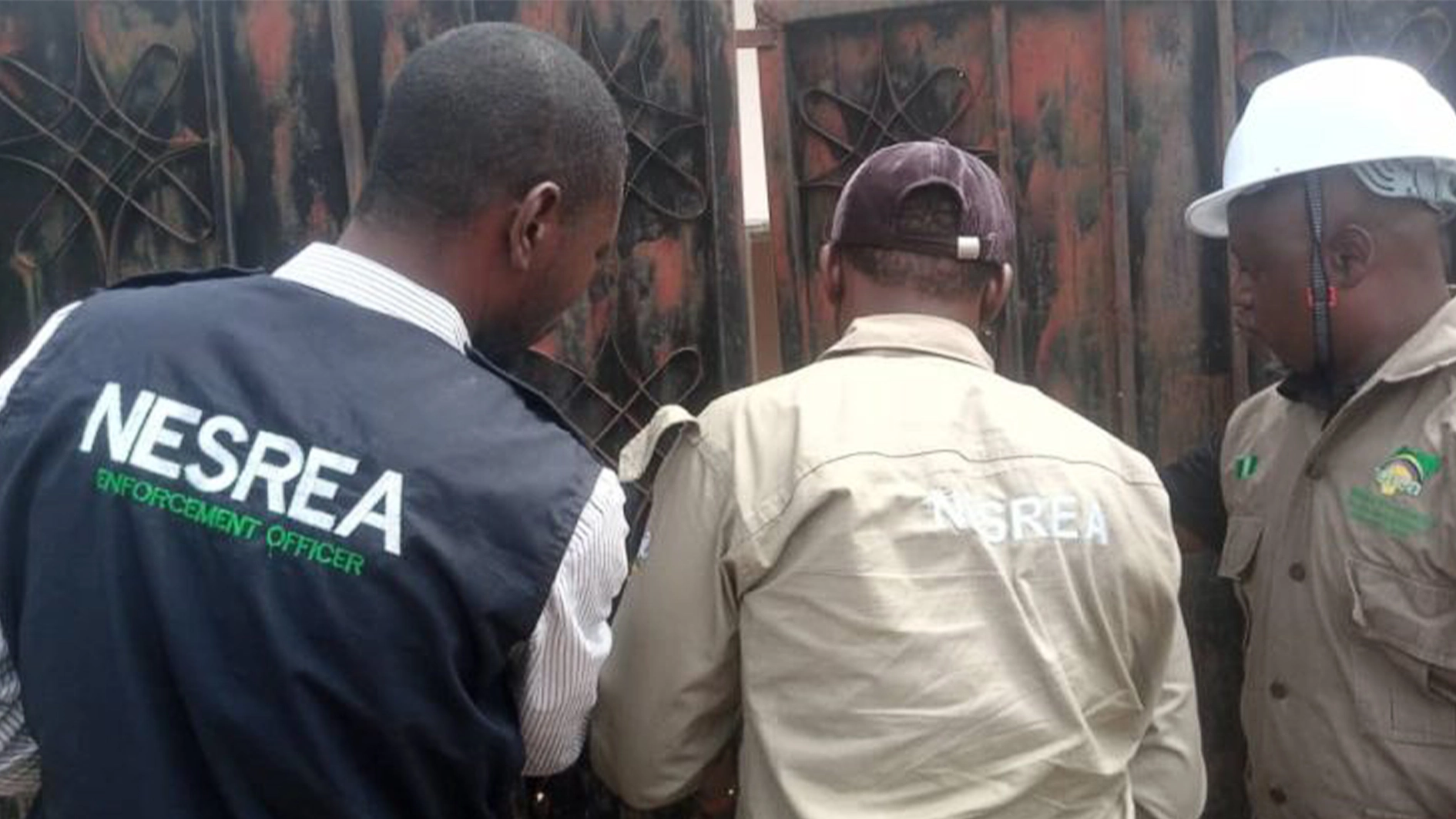
Judicial officers, security agencies and environmental stakeholders have called for stronger collaboration and enforcement measures to tackle wildlife crime, which they say has become increasingly linked to organised criminal activities across borders.
The call was made during a capacity-building workshop for judges and magistrates in Calabar, organised under the European Union-funded GUARD Wildlife Project to strengthen the prosecution of wildlife and forest crimes.
Participants at the workshop stressed that wildlife trafficking is no longer limited to the illegal trade in animals and plants but has evolved into a sophisticated criminal enterprise with implications for security, governance and sustainable development.
Conservator of the Cross River National Park, Joseph Ntui, described wildlife crime as a global challenge driven by criminal syndicates that often engage in other illicit activities, including money laundering and arms trafficking.
According to him, effective collaboration among enforcement agencies and the judiciary is critical to dismantling these networks and ensuring that offenders are brought to justice.
“Wildlife crime is associated with money laundering, insecurity and the proliferation of arms. We are dealing with a very big issue, and collaboration is critical if we are to address the challenge effectively,” Ntui said.

He noted that one of the major obstacles to successful prosecution is inadequate evidence gathering, stressing the need for improved investigative and prosecutorial capacity to build stronger cases.
The State Director of the National Environmental Standards and Regulations Enforcement Agency (NESREA), Raymond Anunobi, said the workshop was timely in view of recurring incidents of wildlife poaching and trafficking in Cross River State.
Anunobi said exposing judicial officers to the realities of wildlife crime would strengthen the enforcement of conservation laws and international agreements that have been domesticated in Nigeria.
Also speaking, Chief Superintendent of Immigration, Demben Aferekpe, said the Nigerian Immigration Service remains a critical player in preventing the movement of wildlife traffickers and illegal wildlife products through the country’s borders.
He emphasised the importance of information sharing and inter-agency cooperation, noting that no single agency could effectively combat wildlife crime alone.
Justice Joseph Bassey of the Cross River State High Court described the sensitisation programme as essential to preserving Nigeria’s environmental heritage and protecting its natural resources for future generations.
He warned that the continued destruction of forests and wildlife could undermine biodiversity, weaken ecosystems and adversely affect the economy and human wellbeing.
Bassey assured participants that the judiciary would continue to uphold and enforce existing laws, stressing that courts would ensure that wildlife crime cases brought before them are determined in accordance with the law.

