 Follow Us on Google News


 Follow Us on Google Discover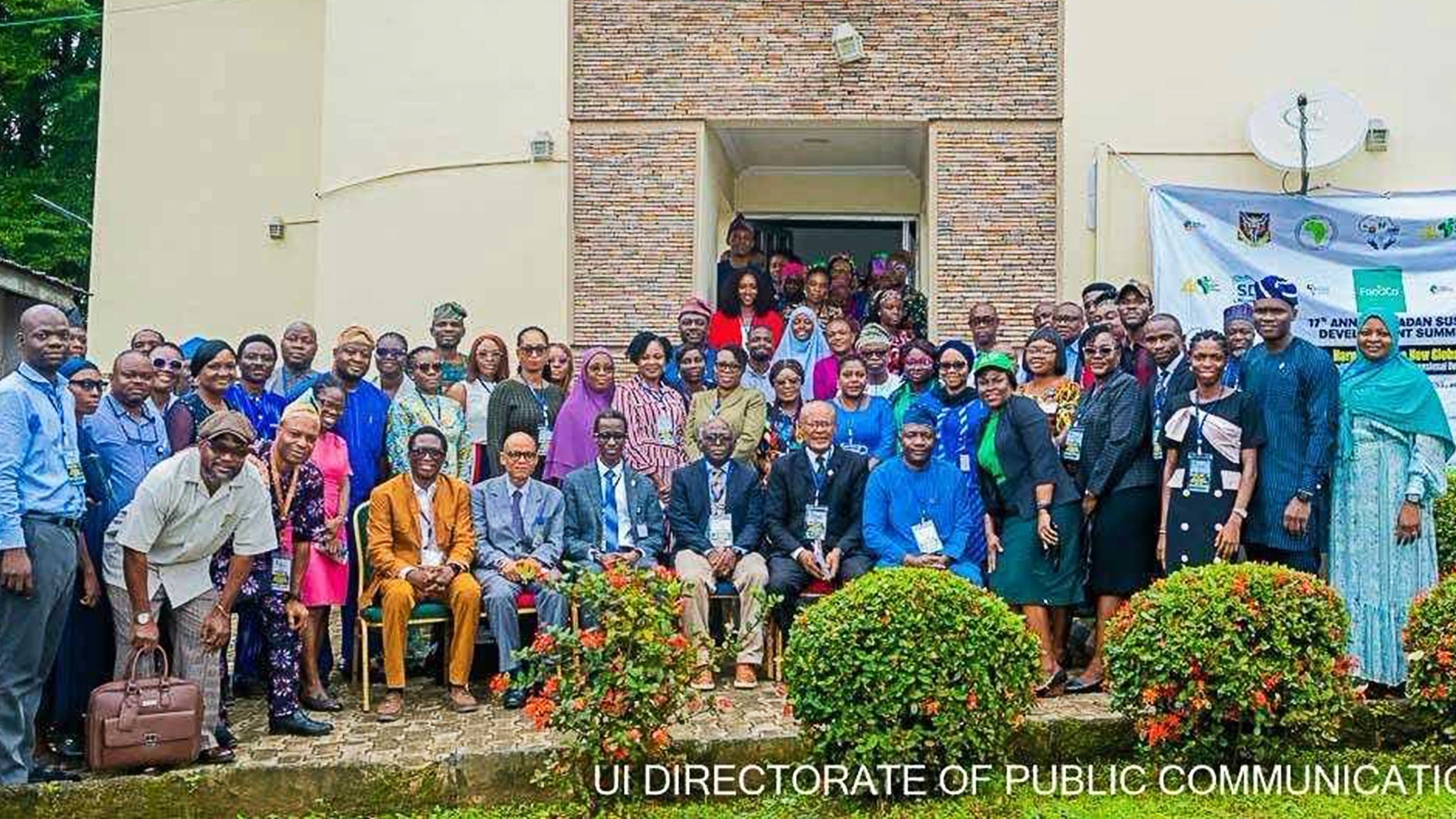
Experts and development practitioners have called for greater community participation in identifying and addressing agricultural challenges, saying sustainable development interventions must be co-created with the people they are intended to benefit.
They made the call at the 17th annual Ibadan Sustainable Development Summit (ISDS), organised by the University of Ibadan Centre for Sustainable Development (UI-CESDEV), in collaboration with the Sustainable Development Solutions Network (SDSN), with support from the Sasakawa Africa Association (SAA).
The summit, held in hybrid format at the CESDEV Suite, had the theme, “Harnessing the New Global Order – Africa’s Path to Inclusive and Multidimensional Development Beyond 2030.”
It brought together academics, development practitioners and other stakeholders to examine pathways towards inclusive and sustainable development in Africa beyond 2030. The 17th ISDS Local Organising Committee was chaired by Dr Olawale Olayide.
Speaking during a panel session sponsored by SAA, the experts stressed the need for development organisations to move away from imposing solutions on communities and instead work with beneficiaries to identify challenges and develop interventions that respond to their peculiar needs.
The panel featured Dr Anjola Fadairo, SAFE Institution coordinators, Dr Hamzat Adeniyi, Dr Eda Ikuemonisan, Dr Adebayo Adeniran, Dr Femi Ojo and Dr Abiodun Fadodun.

Fadodun said agricultural challenges should be identified at the local level, with farmers and other members of the community actively involved in finding solutions.
According to him, community ownership was essential to ensuring that development interventions were sustained after the implementing organisations had left.
He said, “Problems affecting farmers should first be identified locally, and communities must participate in developing solutions that address their specific needs.”
Adeniyi stressed the importance of strengthening the role of women in agriculture, noting that cultural practices that previously restricted women’s participation in economic activities were gradually changing.
He said women had continued to demonstrate their capabilities in education and other sectors, adding that their contributions to agriculture should be recognised and strengthened.
Ikuemonisan, who identified inadequate knowledge of market structures as one of the challenges confronting many farmers, called for greater emphasis on market-oriented training. He said farmers needed to understand market opportunities and how to respond effectively to changes in demand and supply.
Ikuemonisan also urged development organisations to evaluate their interventions against existing practices to determine their actual impact on farmers and communities.
Adeniran, meanwhile, highlighted the wide gap between the number of agricultural extension workers and farmers, saying conventional extension services alone could not meet the information needs of farmers.
He said SAA had consequently deployed media interventions, including short videos produced in local languages, to make agricultural knowledge more accessible to farmers.
According to him, the approach had helped farmers understand technical concepts that might otherwise have been difficult to grasp. He cited crop rotation as an example, saying some farmers practised the technique without fully understanding the principles behind it.
Fadairo also highlighted the impact of media interventions on agricultural productivity, citing examples of farmers in Kano who had expanded the scale of their farming activities following interventions.
Ojo said environmental sustainability must begin with the people, stressing that communities should be at the centre of the management and implementation of sustainable development initiatives. He expressed optimism about the future of agriculture if development interventions remained people-centred and communities were empowered to take ownership of the process.
Declaring the summit open, the Deputy Vice-Chancellor (Administration), University of Ibadan, Prof. Peter Olapegba, lauded the Director of UI-CESDEV, Dr Olushola Fadairo, for sustaining the annual event.
Goodwill messages were delivered by the former Vice-Chancellor of Osun State University and former Director of CESDEV, Prof. Labode Popoola, who joined virtually; the UI Deputy Vice-Chancellor (Academic), Prof. Juwon Arotiba; and the former Director of CESDEV and Vice-Chancellor of Emmanuel Alayande University of Education, Oyo, Prof. Olanrewaju Olaniyan.

