 Follow Us on Google News


 Follow Us on Google Discover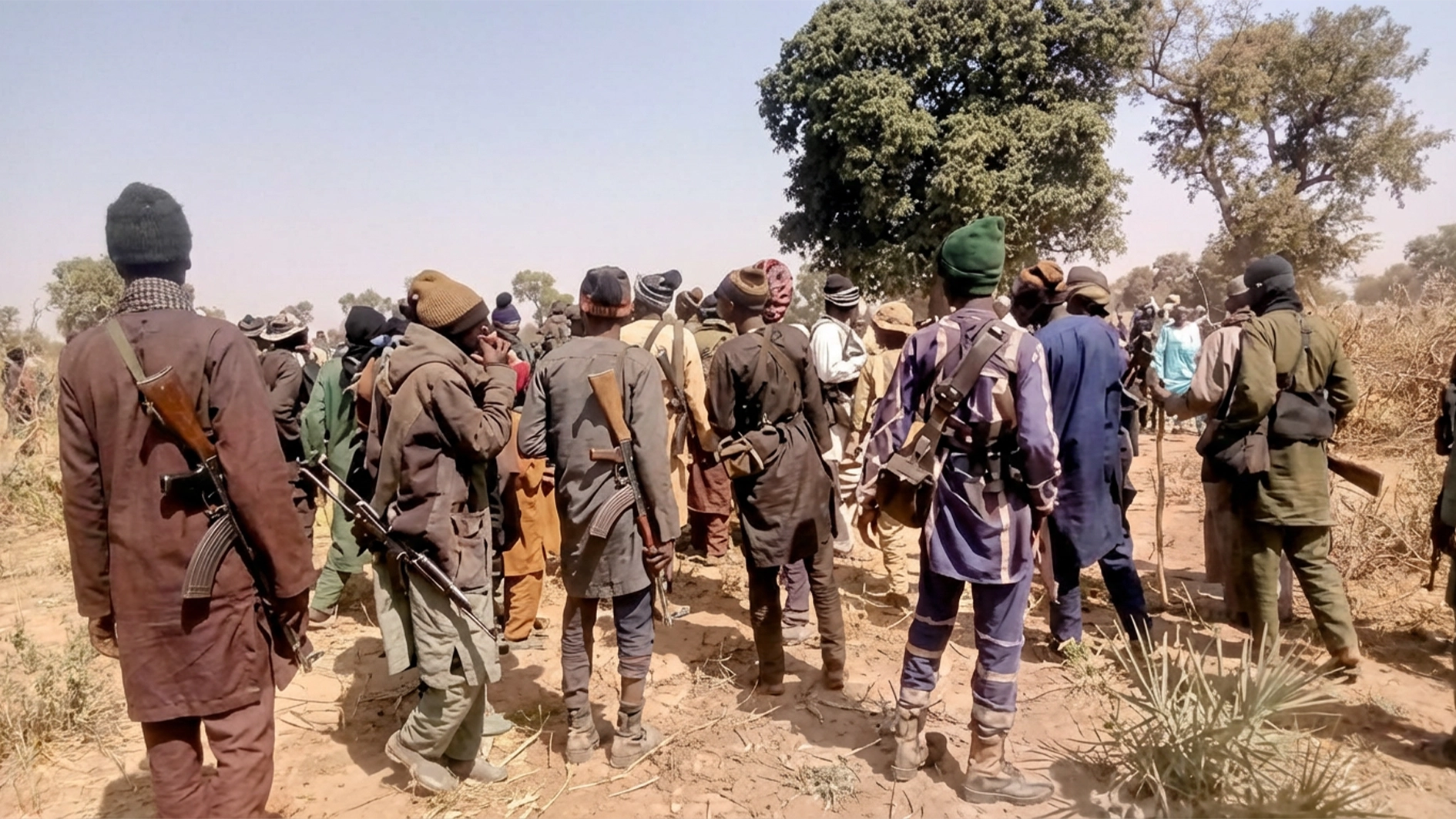
Twenty-six years after Nigeria returned to civil rule, the Civil Society Legislative Advocacy Centre (CISLAC) has expressed concern over worsening insecurity, deepening poverty and corruption, youth unemployment and governance deficits in the country.
The advocacy group warned yesterday in a Democracy Day message by its Executive Director, Auwal Rafsanjani, that the country’s democratic future would ultimately be judged by the welfare, safety and prosperity of its citizens rather than the mere conduct of elections.
CISLAC insisted that while commemorating June 12 and paying tribute to individuals who played significant roles in Nigeria’s democratic struggle, the country must move beyond celebrating the survival of democratic rule and focus on addressing the challenges that continue to undermine the benefits of democracy.
While describing June 12 as a defining moment in the nation’s democratic evolution, it noted that democracy was secured through sacrifice, courage and sustained resistance against oppression and authoritarian rule.
According to the organisation, the anniversary remains a reminder that the democratic space enjoyed by Nigerians today was won through the efforts of men and women who believed in justice, accountability, human rights and the sovereignty of the people.
It paid tribute to several democratic heroes and heroines whose contributions, it said, helped shape Nigeria’s democratic journey and have continued to inspire demands for accountable governance, equity and justice.

Among those recognised were Moshood Abiola, Kudirat Abiola, Gen. Shehu Musa Yar’Adua, Balarabe Musa, Gani Fawehinmi, Ken Saro-Wiwa, Prof. Eskor Toyo, Comrade Chima Ubani, and Bagauda Kalthoum, among many others.
However, as Nigeria marks 26 years of uninterrupted democratic governance, CISLAC acknowledged the significance of sustaining civilian rule and peaceful political transitions but stressed that democracy must be assessed on its capacity to deliver security, welfare, justice and inclusive development.
The group expressed concern over what it described as a deteriorating security situation across various parts of the country, citing terrorism, banditry, kidnapping, communal violence and farmer-herder conflicts.
Against this background, it warned that democratic governance cannot thrive where citizens live under constant fear and uncertainty. Therefore, it called for urgent and coordinated security reforms anchored on intelligence gathering, accountability and preventive measures to address the country’s security challenges.
Beyond insecurity, CISLAC highlighted worsening economic conditions as a major concern for Nigerians, noting “with concern the worsening economic conditions, rising inflation, unemployment, and the increasing cost of living, exacerbated by policy reforms such as fuel subsidy removal and exchange rate adjustments.
The organisation also identified youth unemployment and underemployment as significant threats to national stability, stating that the economy’s inability to absorb a growing youthful population has contributed to social frustration, insecurity and irregular migration.
Consequently, it called on the government at all levels to prioritise strategic investments in education, skills development, entrepreneurship, agriculture and industrial growth, to harness the productive potential of Nigerian youths.
Also identifying corruption as one of the most significant obstacles to Nigeria’s democratic and developmental progress, CISLAC argued that corruption continues to weaken public trust in institutions while diverting resources meant for critical sectors such as healthcare, education and infrastructure development.
Addressing the challenge, he called for stronger institutions, transparent procurement systems, effective protection for whistleblowers and greater political commitment to accountability, without selective enforcement.
On the electoral process, the CISLAC president acknowledged the improvements recorded over the years but expressed worry over persistent issues like vote buying, electoral violence, low voter turnout and the growing influence of money in politics.
He also drew attention to the challenges surrounding internal party democracy, including candidate imposition and manipulated primary elections. According to CISLAC, strengthening political parties as genuine institutions of democratic representation remains critical to deepening democracy in the country.
He also raised concerns about the state of Nigeria’s education and healthcare sectors. Insisting that sustainable democracy and development cannot be achieved without substantial investments in human capital development, CISLAC urged increased funding and equitable access to quality education and healthcare services across the country.
The organisation equally expressed concern over what it described as a shrinking civic space, declining public confidence in institutions and the challenges affecting judicial independence and access to justice.
It therefore called on government, political actors, civil society organisations, the media and citizens to recommit to transparency, accountability, participation and respect for democratic principles.
In a similar development, the Corporate Accountability and Public Participation Africa (CAPPA) has called on the federal government to treat the country’s worsening insecurity as a direct threat to democracy, the rule of law and the credibility of the 2027 general elections.
In a statement yesterday by CAPPA’s Media and Communication Officer, Robert Egbe, the organisation warned that no democracy can flourish when citizens live under the constant threat of kidnapping, terrorism, banditry, communal violence and other forms of criminality.
Also, CAPPA’s Assistant Executive Director, Zikora Ibeh, insisted that “democracy cannot thrive where people are afraid to travel on highways, send their children to school, cultivate their farms, operate businesses, or participate in elections.”
Lamenting the continued spread of kidnap-for-ransom across the country and the persistent mass abductions, it said no fewer than 4,722 people were abducted in 997 kidnap incidents between July 2024 and June 2025. Alongside, it said no fewer than 762 people lost their lives in kidnap-related incidents during the same period, with Nigerians paying an estimated N2.57 billion in ransom to kidnappers over the period.

