 Follow Us on Google News


 Follow Us on Google Discover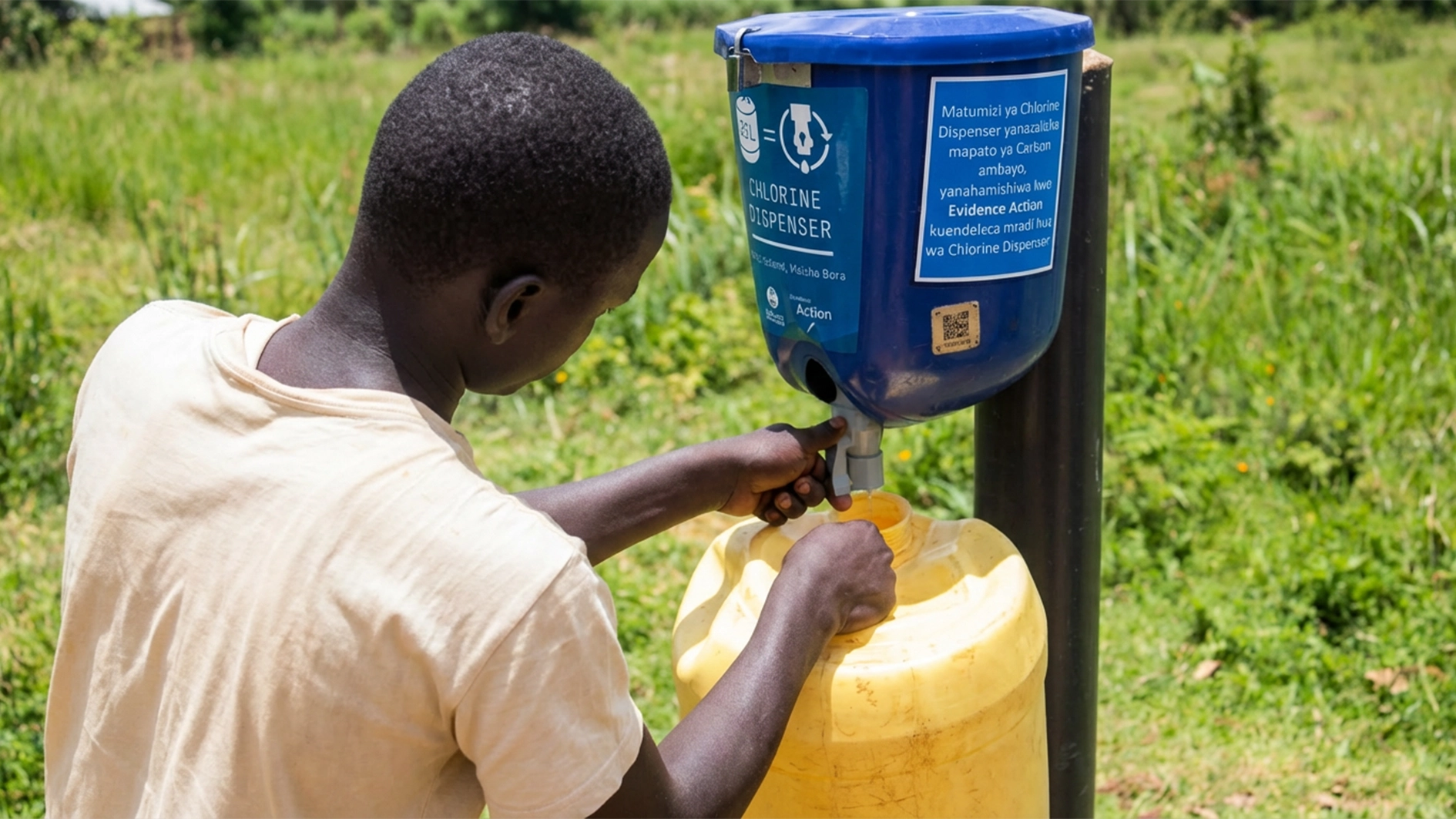
An Irish development charity, Self Help Africa (SHA), has donated 550 chlorine water dispensers to rural communities in Kano State as part of efforts to curb outbreaks of waterborne diseases.
The intervention is being implemented through two projects — Dispensers for Sustainable Rural Water in Nigeria (DiSuRWIN) and Optimising the Benefits of Inline Chlorination in Nigeria (OPTIC) — in partnership with the Federal Government. The initiatives aim to improve access to safe drinking water in rural communities.
Speaking at the project launch in Abuja on Wednesday, Development Consultant and State Coordinator for Self Help Africa, Mr. Dorgu Ebiye, said the projects underscore SHA’s commitment to practical, community-driven solutions that address water contamination at the point of use.
“These interventions are designed to ensure that rural households not only have access to water, but to water that is safe for consumption,” Ebiye said. “Our focus is on prevention — reducing exposure to waterborne diseases through consistent and effective disinfection.”
Under the DiSuRWIN project, SHA will deploy the 550 chlorine dispensers across Garin Malam and Danbatta Local Government Areas of Kano State, with 275 units allocated to each LGA.
The dispensers are calibrated to deliver a chlorine concentration of 1,100 grains per cent, using a standard 10 per cent chlorine formulation, in line with approved water treatment standards.

Ebiye explained that the first phase of the project is expected to benefit about 110,000 people, significantly improving the safety of drinking water at the community level.
Beyond infrastructure provision, he noted that SHA is adopting a self-sustaining operational model, which includes professionalised maintenance services for dispensers and water facilities.
According to him, community health extension workers, working with the Ministry of Health and the Primary Health Care Development Agency, will manage chlorine refilling, dosing, monitoring and reporting.
He added that the organisation is making significant investments in capacity building, with local mechanics and community health workers undergoing training, while Rural Water Supply Agencies and health institutions are being engaged to ensure scalability and long-term sustainability.
Ebiye further disclosed that the second initiative, OPTIC, is being rolled out in selected communities in Kano and Cross River states, where SHA is testing inline chlorination systems integrated directly into handpumps and piped water schemes.
The project seeks to assess the effectiveness of automated chlorination technologies across different rural water supply settings.
The initiatives align with Nigeria’s National Framework for Drinking Water Safety and the Nigerian Standard for Drinking Water Quality (NIS 554:2015), complementing government efforts to reduce cholera and other waterborne disease outbreaks.
With an 18-month implementation timeline and a budget of approximately $721,995 for DiSuRWIN, SHA said the pilots are expected to generate evidence to support nationwide scale-up of proven water safety solutions.
“Our approach is built on partnership, local ownership and evidence,” Ebiye said. “By working closely with government and communities, we aim to deliver lasting improvements in rural water safety across Nigeria.”

