 Follow Us on Google News


 Follow Us on Google Discover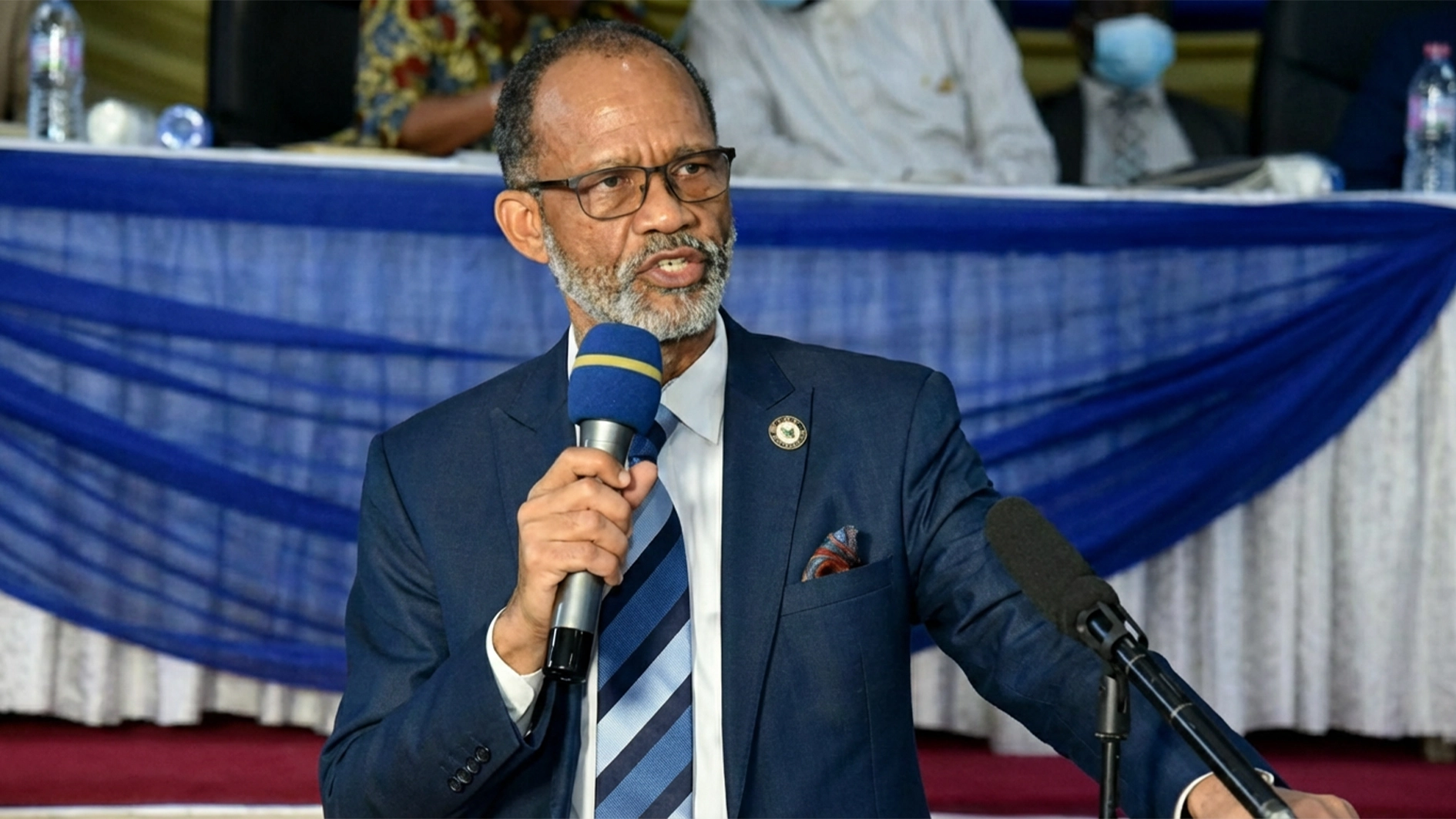
• State allocates below 15% of budget sum to sector, Abayomi laments
• Warns of crisis amid 33,000 medical personnel shortfall
Lagos State Government, yesterday, declared that mandatory health insurance and stronger public-private partnerships remain the cornerstone of its healthcare financing reforms as it moves to close an estimated N100 billion gap between current health sector funding and projected healthcare needs in the state.
The state’s Commissioner for Health, Prof. Akin Abayomi, while speaking at the 2026 media briefing to mark the third year of the second term of Governor Babajide Sanwo-Olu’s administration, said the state was intensifying efforts to expand health insurance coverage, improve healthcare infrastructure and reposition the state as a leading medical tourism destination in Africa.
Abayomi disclosed that Lagos State currently spends about eight per cent of its budget on health, far below the 15 per cent benchmark recommended under the Abuja Declaration, stressing that alternative financing mechanisms had become imperative for the sustainability of healthcare delivery.
According to him, there is a gap between what is available to us through our budget and what we ideally want to spend. The blue bar is our current budget, while the red bar is our wish budget, and there is a gap of at least N100 billion between what we get and what we want.”
He said that the dwindling donor support and rising healthcare demands in a rapidly growing megacity necessitated the state’s aggressive push for mandatory health insurance and stronger collaboration with the private sector.

The commissioner lamented that about 77 per cent of healthcare spending in Nigeria currently comes directly from citizens’ pockets, while only two per cent is financed through insurance, describing the situation as unsustainable and anomalous.
Also speaking, Commissioner for Economic Planning and Budget, Ope George, while highlighting achievements in the education sector, said the Lagos Education Access Fund (LEAF), under the Education Outcomes Fund (EOF), had moved into active implementation, targeting to impact over 200,000 children within three years.
Meanwhile, the state government has said that it needed about 40,000 medical doctors to adequately serve its growing population but currently has only about 7,000 doctors, leaving a deficit of more than 33,000 physicians.
Abayomi, who disclosed this during the media briefing, said Lagos requires an additional 40,000 nurses to close widening manpower gaps in the health sector, describing the shortage of healthcare workers as part of a global workforce crisis.
He warned that medical personnel in the state were overstretched due to the state’s large population.
The commissioner projected that Lagos State could emerge as a leading medical tourism destination in Africa by 2052 through sustained reforms, mandatory health insurance and the state’s Universal Health Coverage agenda.
He disclosed that Lagos currently operates 34 secondary and tertiary public health facilities, 325 primary healthcare centres and about 3,500 private health facilities, alongside more than 10,000 community pharmacies and Patent and Proprietary Medicine Vendors.

