 Follow Us on Google News
 Follow Us on Google Discover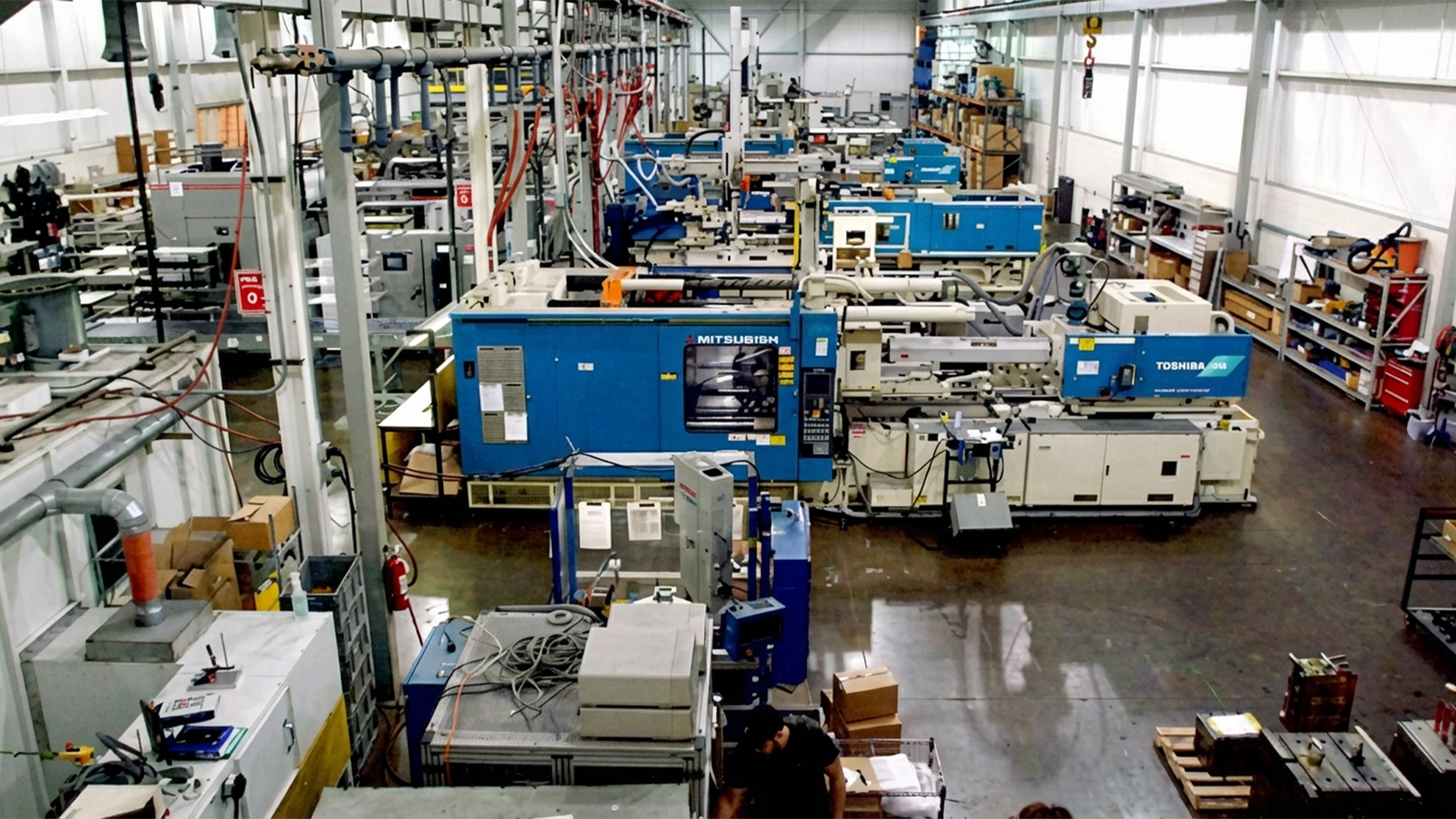
Chief Executive Officer (CEO), Centre for the Promotion of Private Enterprise (CPPE), Dr Muda Yusuf, has noted that macroeconomic stabilisation has not yet translated into significant, broad-based improvements in productivity, competitiveness, employment and household welfare.
In a Half-Year Economic Review and Second-Half Outlook, titled, ‘Nigeria’s Economy in 2026: Half-Year Review and Second-Half Outlook – Macroeconomic Recovery, Structural Reforms and the Competitiveness Imperative’, he noted that businesses continue to grapple with elevated production costs and persistent structural bottlenecks.
He, however, added that Nigeria entered the second half of 2026 with significantly stronger macroeconomic fundamentals than at the beginning of the year, citing FX stability, moderating inflation relative to the exceptionally elevated levels of 2025, stronger external reserves, improved crude oil production and resilient financial markets as key indicators of progress. These, he said, have strengthened investor confidence.
According to him, the defining policy challenge for the remainder of 2026 is to convert improved macroeconomic conditions into inclusive, investment-driven and productivity-enhancing growth.
He observed that the first half of 2026 reflected continued progress in macroeconomic stabilisation.
Economic growth remained positive, the FX market became more orderly, external reserves improved, crude oil production strengthened modestly, and government revenues benefited from improved oil receipts and stronger non-oil tax collections. Financial markets also remained resilient, supported by improving investor confidence and policy credibility.

Despite these encouraging developments, he said, the real economy remained under considerable pressure. High interest rates continued to constrain private-sector investment and access to credit, while elevated energy costs, inadequate electricity supply, logistics inefficiencies and weak transport infrastructure sustained a high-cost operating environment.

