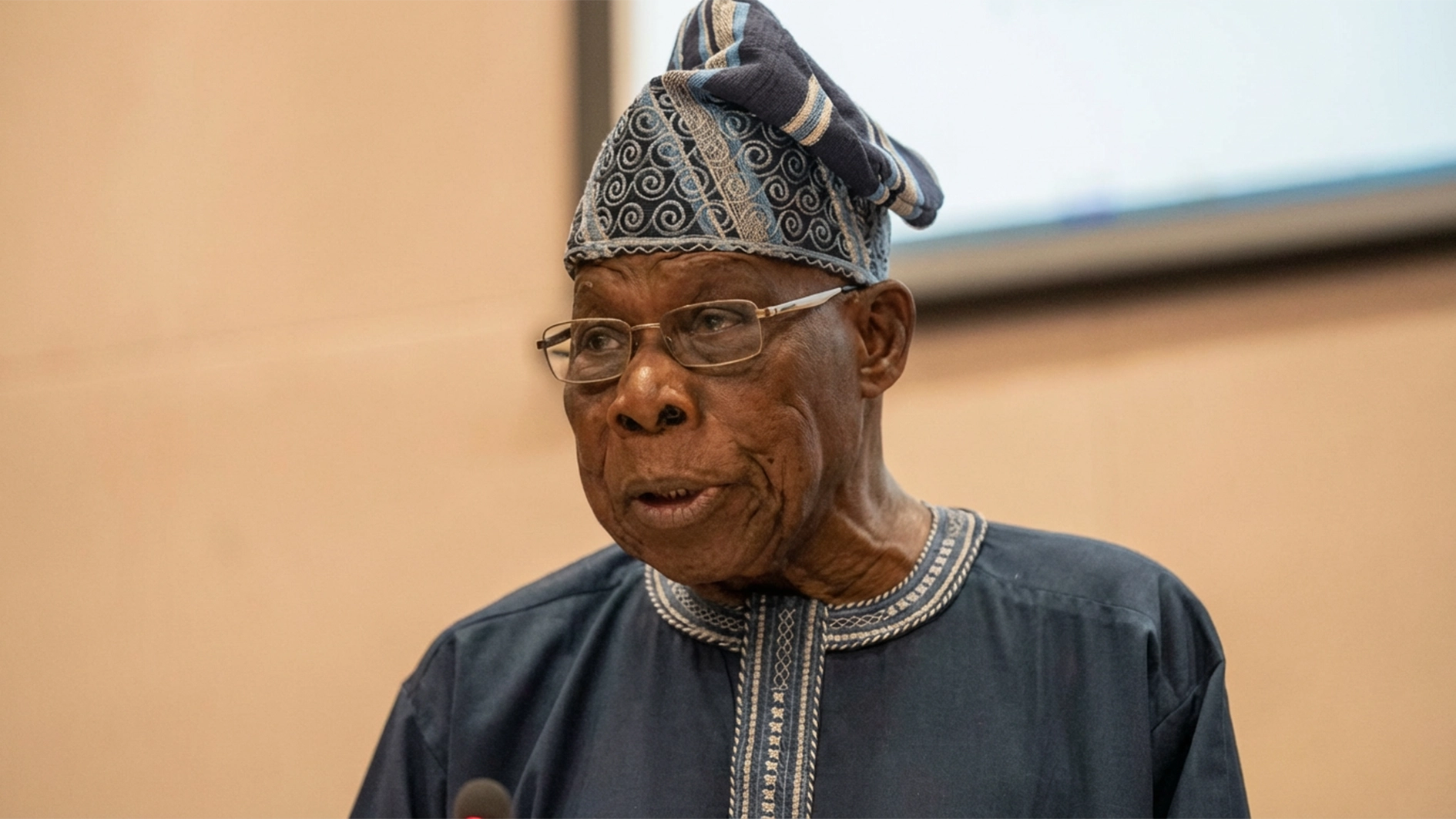
Former Attorney-General of the Federation and Minister of Justice, Abubakar Malami has rejected allegations by the Economic and Financial Crimes Commission that he operates 46 bank accounts and has links to recovered funds traced to the late military ruler, Gen. Sani Abacha.
Malami’s response came as the EFCC insisted that his continued detention and investigation were based solely on unmet bail conditions and ongoing financial probes, dismissing claims of political persecution.
Speaking on behalf of the former minister, his media aide, Bello Doka, said the allegations were unfounded, stressing that Malami maintains only six bank accounts, all of which are known to the anti-graft agency.
“The EFCC knows his six bank accounts that are to his name; the allegations of operating six unlawful forty-six bank accounts are ridiculous and baseless, and for the record, the former minister has no hand in Abacha loot or any other recovery,” Doka said.
He added that Malami was not formally confronted with claims of operating 46 accounts during his interrogation and challenged the commission to substantiate its position publicly.
“Let them publish at least 23 accounts out of the so-called 46, representing 50 per cent of the alleged bank accounts,” he said, arguing that media statements alone were insufficient proof of wrongdoing.
Doka said Malami would continue to cooperate with investigators, while thanking supporters for standing by him amid the controversy.
The denial came against the backdrop of rising political reactions to Malami’s detention. Former Vice President Atiku Abubakar and the African Democratic Congress, which Malami recently joined after leaving the All Progressives Congress, accused the EFCC of weaponising anti-corruption investigations for political ends.
In a statement issued by his media office, Atiku said the agency risked losing public confidence if it failed to “purge itself of partisan contamination”, warning that the anti-graft campaign was being perceived as a “political witch-hunt”.
He claimed the EFCC is “straying far from the noble principles” on which it was founded, alleging that the agency is now “weaponising its powers to serve narrow political agendas.”
He said, “The politicisation of corruption investigations has rendered the EFCC’s credibility suspect and rubbished the very ideals that inspired its establishment.”
The ADC also questioned the timing of Malami’s detention, linking it to his recent participation in political activities in Kebbi State, where he has declared interest in the 2027 governorship election. The party’s National Publicity Secretary, Bolaji Abdullahi, said there was no evidence that Malami violated any bail conditions.
“From all available evidence, Malami did not violate any of the legal conditions attached to his initial bail,” Abdullahi said. “As a senior lawyer and former number one law officer in the country, he understands what it means to violate bail conditions.”
Responding, the EFCC restated that its actions had nothing to do with politics. In a statement signed by its Head of Media and Publicity, Dele Oyewale, the commission said Malami was granted provisional administrative bail on November 28, 2025, subject to five conditions, none of which had been fulfilled.
“The Economic and Financial Crimes Commission, EFCC, though not disposed to joining issues with respect to its operations in the media, is compelled to respond to the patently false claims of a former Attorney-General and Minister of Justice, Abubakar Malami (SAN), about a purported revocation of his bail over attendance at a political gathering in Kebbi,” Oyewale said.
He explained that administrative bail is discretionary and temporary, pending the conclusion of investigations and possible arraignment. According to the EFCC, Malami was expected to report back on December 1, 2025, but requested an adjournment on health grounds in a letter dated December 4.
“The Commission compassionately granted his plea, even while his bail conditions had not been met,” Oyewale said.
The EFCC maintained that Malami’s detention was lawful and investigation-driven, adding that the commission remained apolitical and focused on concluding its probe into allegations, including money laundering, abuse of office and terrorism financing.