 Follow Us on Google News
 Follow Us on Google Discover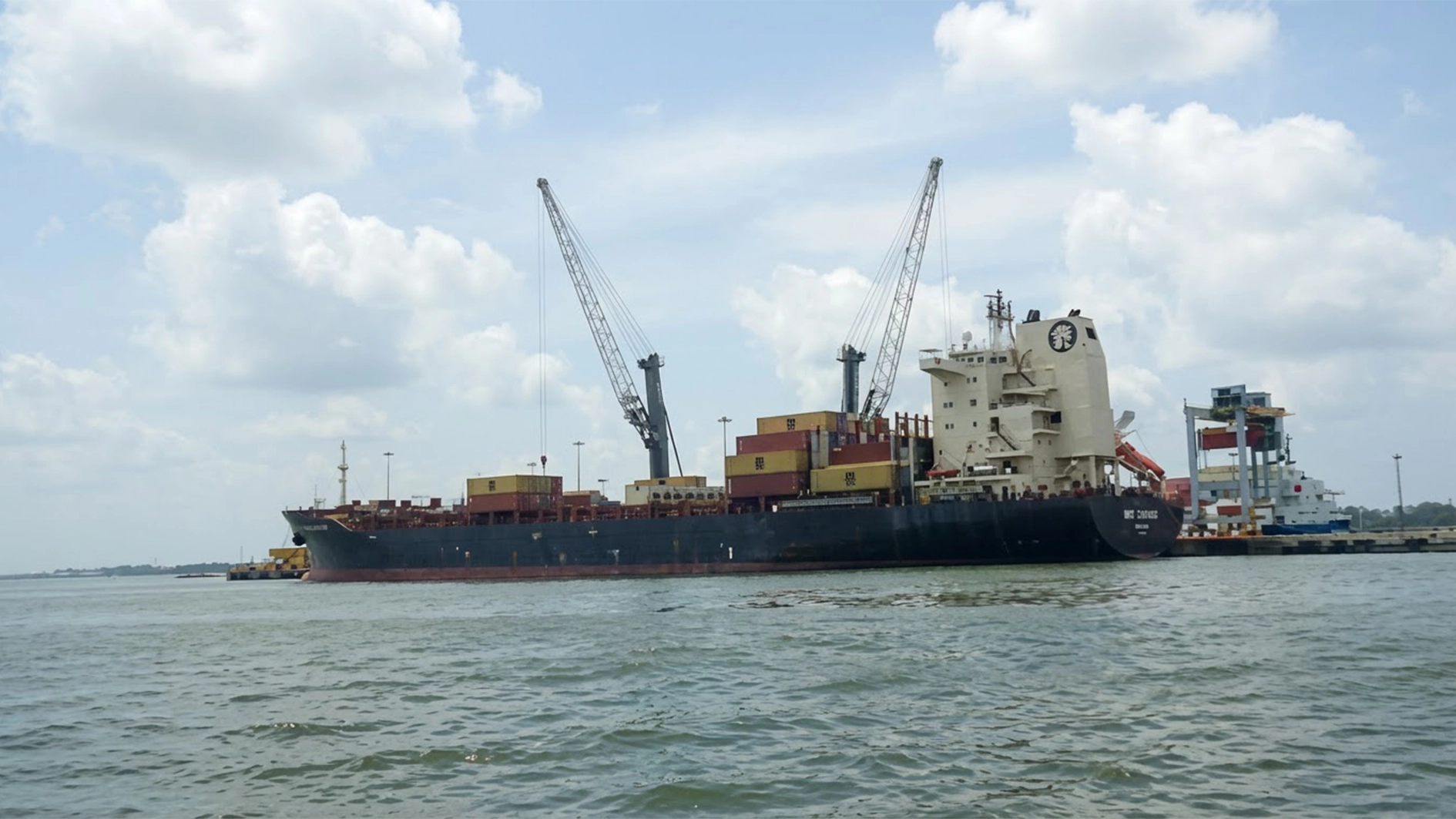
Report proposes yearly maritime GDP contribution tracking
Nigeria’s maritime sector is currently operating below its economic potential with port inefficiencies, policy gaps and delayed reforms costing the country a yearly economic loss of between N3 trillion and N5 trillion.
The Sea Empowerment and Research Centre’s (SEREC) latest report cited the concerns.
SEREC, in its high-impact policy advisory analysis, signed by its Head of Research, Dr Eugene Nweke, identified critical structural and operational failures as well as the scale of economic losses currently eroding the country’s trade potential.
The research body stated that Nigeria was not just underperforming but was incurring avoidable economic losses at scale.
According to the research centre, Nigeria suffers yearly revenue leakages of N1.2 trillion to N1.8 trillion, while logistics inefficiencies add 20–30 per cent to cargo costs, and port-related delays cost an estimated $7 billion to $10 billion yearly.
The group noted that untapped inland waterway potential, particularly the neglected barge sector, represented an additional N500 billion to N1 trillion yearly.

The research group’s analysis identified key drivers of the loss to include port inefficiency, with the average cargo dwell time in Nigerian ports between 18 and 25 days, compared to the global benchmark of three to seven days, with an estimated $200 to $400 per container delay daily, costing the economy about N3 trillion to N5 trillion yearly.
SEREC also pointed to infrastructure concentration risk, with over 70 per cent of Nigeria’s seaborne trade passing through Lagos, leading to an estimated congestion cost of N250 billion in truck delays and over N500 billion in supply chain disruptions yearly.
The research body also identified manual and fragmented processes, with human interference in cargo clearance, adding 15 to 25 per cent to transaction costs, resulting in N300 billion to N600 billion in leakages and informal charges yearly.
SEREC noted that despite the strategic advantage of Nigeria’s inland waterways, the current utilisation was around 30 per cent of capacity, with yearly throughput of 80 to 120 million tonnes, translating to an estimated N500 billion to N1 trillion economic value.
The group stated that optimising the sector could reduce port congestion by 30 to 40 per cent, cut cargo evacuation costs by 20 to 35 per cent, and save the roads over N200 billion in maintenance costs yearly.
SEREC also highlighted the long-term economic impact of past missteps, particularly the collapse of the Nigerian National Shipping Line.
SEREC argued that the Federal Ministry of Marine and Blue Economy must translate intent from document into measurable economic outcomes, noting that effective implementation could generate between N3 trillion and N5 trillion in yearly revenue within five to seven years.
To bridge these gaps, SEREC proposed the establishment of a Maritime Economic Intelligence Framework, yearly Maritime GDP contribution tracking, real-time monitoring of trade cost indicators and mandatory return on investment (ROI) analysis for all maritime projects

