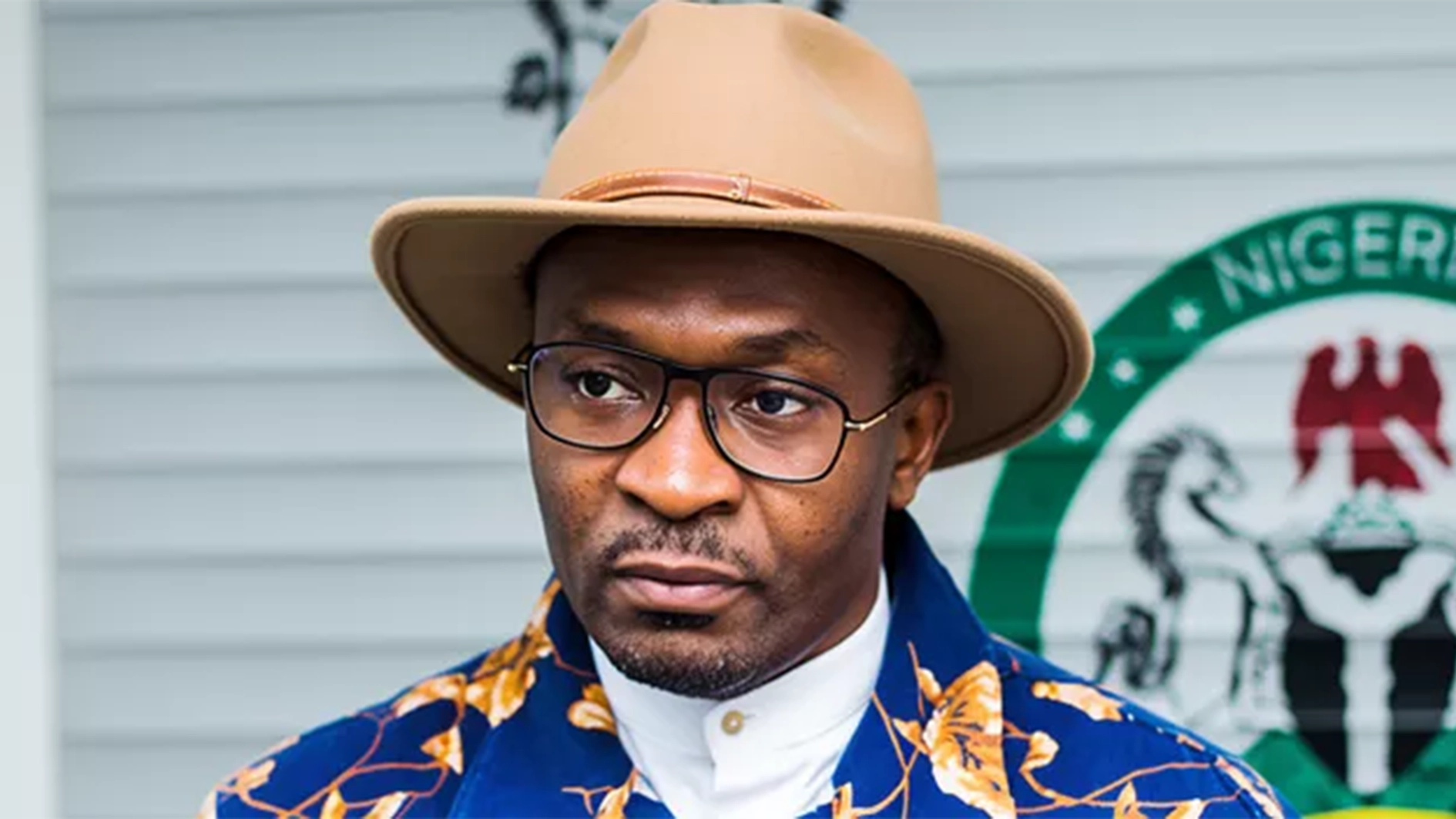
A number of women across Africa have been included in this year’s BBC 100 women list of inspiring and influential women. Making the list is Jennifer Uchendu, the only Nigerian on the list, devoted to climate change and mental health advocacy, whose recent work has focused on exploring the impacts of the climate crisis on the mental health of Africans, especially young people.
The 30-year-old environmentalist runs SustyVibes, a sustainability-focused organisation, to draw leaders to action on the United Nations (UN) climate change conference, widely known as the Conference of the Parties (COP).
For the first time, to recognise the disproportionate impact of climate change on the lives of women and girls, this year’s BBC 100 Women list specifically highlights a group of women leading the battle against the climate crisis.
By naming 28 Climate Pioneers from all corners of the globe, the BBC 100 Women list 2023 celebrates those inspiring and leading their communities to tackle and adapt to the devastating impact of climate change in their regions.
The announcement of this year’s list kicks off the BBC’s 100 Women 2023 season – focusing on women’s right and diverse life experiences around the globe, with special content including interviews, documentaries, features, digital and social journalism, across the BBC’s UK and global TV and radio services, BBC iPlayer and BBC.com.
The African women included in this year’s list are: Ulanda Mtamba, a campaigner from Malawi advocating for enforcing existing laws that protect girls from early marriage, as well as for increased investment to address health risks associated with early pregnancy.
Esi Buobasa, a Ghanaian fishmonger who helped set up an association aimed at helping women in the region, as their source of income is threatened by coastal erosion.
Najla Mohamed-Lamin, women’s rights and climate activist from Western Sahara, and founder of the Almasar Library Centre, who wants to educate women and children on health and the environment in Saharawi refugee camps in south-west Algeria. Neema Namadamu, a disability rights adviser from the DRC who set up grassroot organisation Hero Women Rising. which uses education and technology to amplify women’s voices and teach them to advocate for their rights.
Others are : Vee Kativhu, a content creator and YouTuber from Zimbabwe who launched Empowered by Vee, a platform through which she seeks to make higher education more accessible for unsupported or under-represented students around the world.
Shamsa Araweelo, a female genital mutilation (FGM) campaigner from Somalia who educates and raises awareness through her powerful and direct online videos.
Paulina Chiziane, a writer who became the first woman to publish a novel in Mozambique, with her 1990s debut, Ballad of Love in the Wind. She recently won the Camões Prize, considered the most prestigious writing award in Portuguese.
The list also include Yasmina Benslimane, the Moroccan founder of Politics4Her, which promotes the participation of young women and girls in political and decision-making processes.
Susan Chomba, a Kenyan scientist and director at the World Resources Institute, working to protect forests, restore landscapes and transform Africa’s food systems.