 Follow Us on Google News


 Follow Us on Google Discover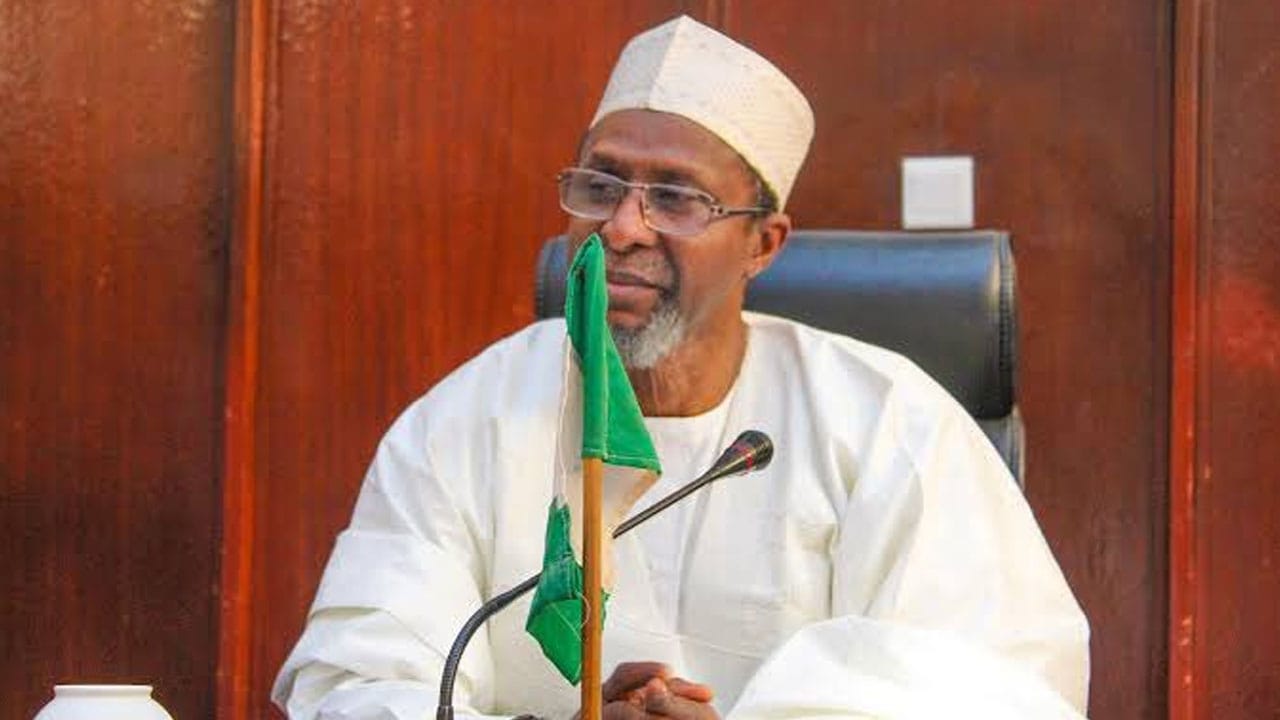
The Minister of Environment, Balarabe Abbas Lawal, has charged the 19 northern states and the Federal Capital Territory (FCT) to urgently develop comprehensive sustainability frameworks for the Agro-Climatic Resilience in Semi-Arid Landscapes (ACReSAL) project, warning that hard-won gains must not be allowed to fade after the programme’s scheduled conclusion in March 2028.
Speaking at the weekend in Jalingo during the official flag-off of climate-smart agriculture initiatives, clean energy distribution, waste management interventions, and the rollout of agricultural equipment across Taraba State, the minister stressed that planning for continuity must begin immediately.
“ACReSAL is billed to wind out March 31, 2028, and benefiting states must find ways to sustain this project to ensure the benefits and gains recorded continue to yield results,” Lawal declared. “We must also work to make the local people own this project, which should be an integral part of the sustainability plan.”
The World Bank-supported ACReSAL initiative was designed to combat deforestation, desertification, poor waste management, and water resource degradation across northern Nigeria’s fragile ecosystems.
Lawal emphasized that strong local ownership structures and institutionalized maintenance frameworks are critical to ensuring that agricultural inputs and essential infrastructure provided under the programme continue serving communities long after donor funding ends.
He commended Taraba for ranking among the five best-performing states under ACReSAL, citing proactive engagement and efficient execution of projects.

In a significant development, the minister also announced the launch of a national Rosewood restoration plan to be piloted in Taraba, Cross River State, and Benue State as part of broader ecological recovery efforts.
Responding, Governor Agbu Kefas disclosed that his administration has established the Taraba Agro-Climatic and Watershed Management Agency as a central pillar of the state’s sustainability framework for ACReSAL.
According to the governor, the agency will institutionalize the project’s blueprint, embedding its structures within the state’s governance system to ensure continuity beyond donor support.
He further revealed plans to constitute a Rosewood Restoration Taskforce to collaborate with the Federal Government on forest recovery across the state.
The ACReSAL State Project Coordinator, Yakubu Giwa, described the initiative’s impact as far-reaching, noting that its interventions span all 16 local government areas of Taraba.
He credited the seamless execution of projects to sustained backing from the state government, which created an enabling environment for implementation.
Equipment, Clean Energy Distributed
As part of the ceremony, the minister flagged off the distribution of more than 100 power tillers to Community Interest Groups, 20 tractors—one for each local government area—1,500 clean cookstoves, and solar-powered water pumps.
He also commissioned renovated government buildings and handed over brand-new Hilux vehicles to the state Ministries of Agriculture, Environment, and Water Resources, as well as the Taraba Environmental Protection Agency (TEPA), underscoring the Federal Government’s commitment to strengthening institutional capacity for environmental management and climate resilience.
With the 2028 deadline looming, stakeholders say the coming months will be critical in determining whether ACReSAL’s environmental and agricultural transformation becomes a lasting legacy or a short-lived intervention.

