 Follow Us on Google News


 Follow Us on Google Discover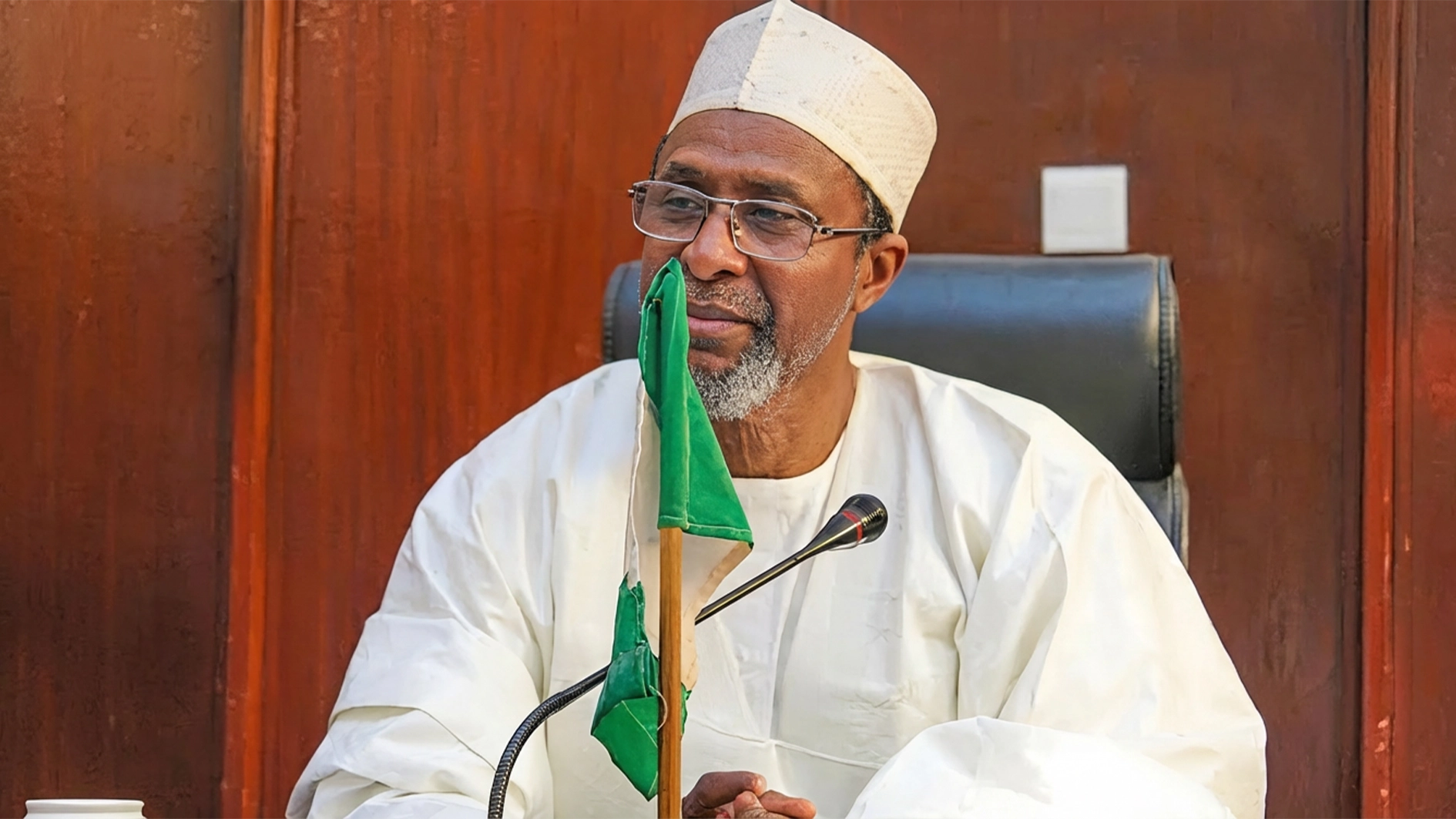
The Federal Ministry of Environment is organising a sensitisation workshop for journalists, aimed at equipping media practitioners to effectively report and promote environmental sustainability in Nigeria.
Declaring the workshop open, the Minister of Environment, Balarabe Lawal, stated that Nigeria is currently facing unprecedented environmental challenges, including desertification in the North, devastating floods and erosion in the South-East, and oil pollution and gas flaring in the Niger Delta region.
Lawal explained that deforestation is also contributing to the escalating impacts of climate change, which continue to affect millions of Nigerians and threaten food security, public health, livelihoods, and national development.
He described the media as indispensable partners and key stakeholders in reporting environmental issues such as climate change, ecosystems, biodiversity, and natural resource management.
“The media will always remain invaluable and cannot be taken for granted. Journalists, broadcasters, digital content creators, and communication experts must continue to strengthen strategic alliances for the survival of our country,” he said.
According to the minister, “The mass media, often regarded as the Fourth Estate of the realm, plays a critical role in information dissemination, especially within the environmental sector. As environmental challenges grow in scale and complexity, your role has become even more vital.”

He emphasised that the environment is not an abstract concept but a critical part of daily life, aligning with the Renewed Hope Agenda, as the ministry intensifies efforts toward building a cleaner, greener, and more resilient nation.
“The environment is the air we breathe, the land that feeds us, the rivers that sustain communities, and the climate that shapes our future,” he added.
Highlighting key achievements, Lawal noted that initiatives such as the Agro-Climatic Resilience in Semi-Arid Landscapes (ACReSAL) project and the National Agency for the Great Green Wall have restored over 1.14 million hectares of degraded land and supported the planting of more than 1.5 million trees across the country in 2025.
He stressed that these efforts demonstrate Nigeria’s commitment to environmental sustainability while advancing economic growth, adding that the media serves as a mirror through which society understands itself, a megaphone that amplifies truth, and a bridge connecting policy to the people.
The minister further noted that climate change and environmental degradation remain urgent concerns with direct implications for agriculture, health, and the economy. He called for data-driven, solution-oriented journalism that not only highlights challenges but also showcases innovation and success stories.
Also speaking, a resource person, Jerry Ato, urged media practitioners to collaborate with relevant government agencies and stakeholders in the environmental sector to enhance effective reporting and public awareness.

