The Network for Public Procurement Advocacy and Development (NEFGAD) has criticised the Bureau of Public Procurement (BPP) over what it described as a “weak and deceptive” defence of the 2025 U.S. Fiscal Transparency Report, which indicted Nigeria for failing to disclose details of public procurement contracts.
The U.S. Department of State, in its latest Fiscal Transparency Report, acknowledged that Nigeria had made progress in publishing budget documents and debt obligations but faulted the country for withholding procurement contract information, a gap it said undermines accountability and weakens governance.
The report, which reviewed 139 countries and the Palestinian Authority, found that 71 governments met minimum fiscal transparency requirements while 69 did not. Of the 69, 26 were adjudged to have made significant progress.
Nigeria was listed among 32 African countries still lagging behind, alongside Egypt, Algeria, Libya, Cameroon, Guinea, Liberia, Mali, Niger, Senegal, Sierra Leone, The Gambia, Chad, Angola, Gabon, Zimbabwe, Zambia, Lesotho, São Tomé and Príncipe, Burundi and Tanzania.
It also faulted the Office of the Auditor-General of the Federation for failing to publish comprehensive budget-execution audits despite having access to the entire executed budget, urging Nigeria to strengthen the office, ensure audits are published within 12 months, and make procurement contracts publicly accessible.
Other recommendations in the report included complete publication of budget documents, executive proposals, enacted budgets, and end-of-year reports, within reasonable timeframes, as well as transparent disclosure of natural resource extraction contracts and licenses.
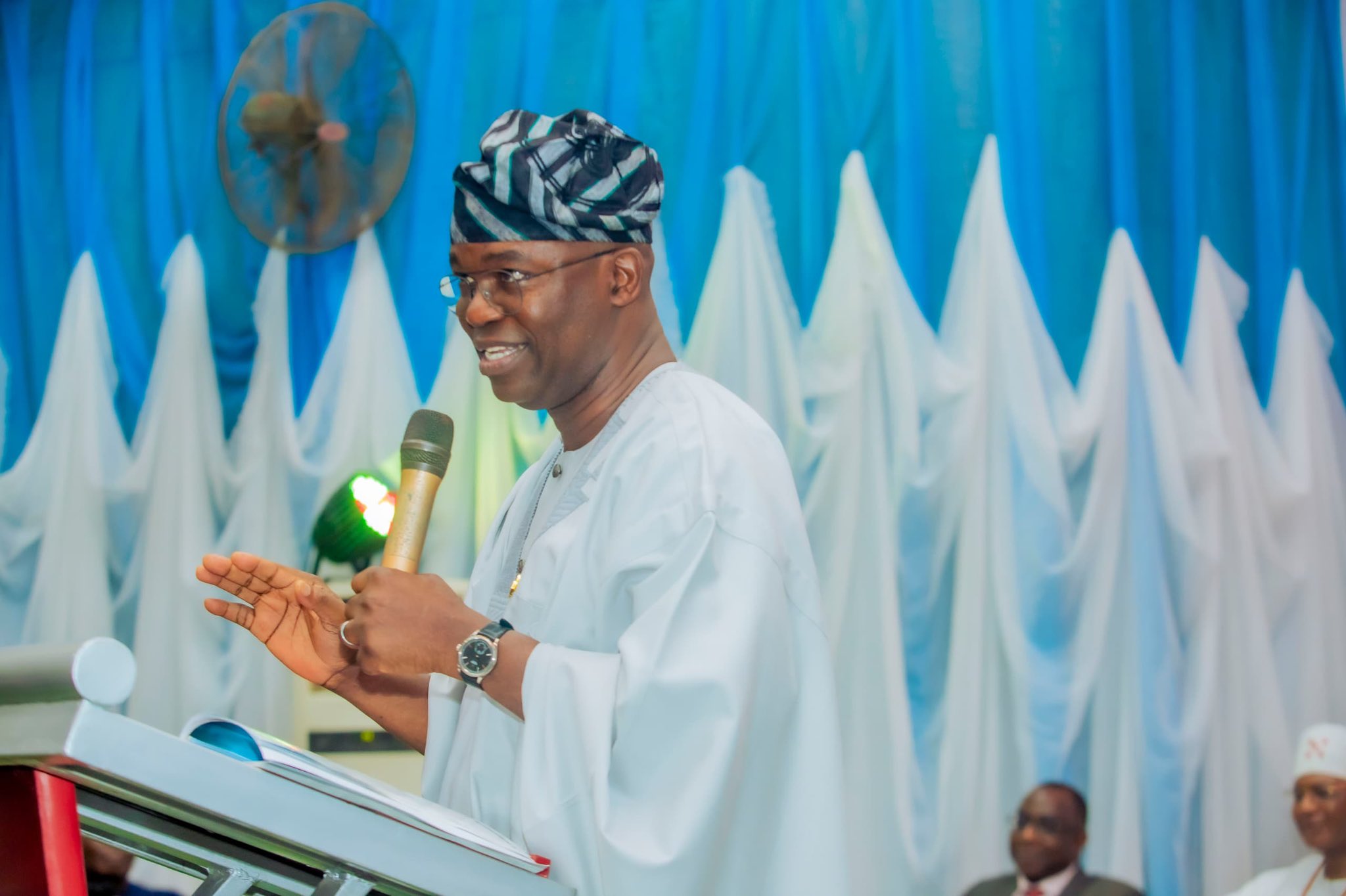
Reacting to the report, BPP Director-General Dr. Adebowale Adedokun dismissed the U.S. findings, describing them as outdated and not reflective of recent reforms.
He said procurement reforms under President Bola Tinubu had significantly improved transparency and accountability, citing open advertisement of contracts, price benchmarking, and monitoring by civil society groups.
He also highlighted instances where foreign firms won contracts via online bidding without physically visiting Nigeria, decentralisation of procurement processes, higher approval limits for ministries, procurement audits, and the ongoing transition to electronic government procurement.
According to him, contractors can now petition the Bureau directly, leading to reversals of irregular contract awards, while anti-graft agencies such as ICPC, EFCC, Police, and the Code of Conduct Bureau are actively investigating procurement violations.
“If, in the global space, they are saying things have not improved, I have just given you an example of how foreign companies bidded for projects in Nigeria and are executing them without ever stepping into the country,” he said.
NEFGAD, however, rejected the BPP’s position in a statement issued in Abuja by its Acting Head of Office, Barr. Unekwu Blessing-Ojo, insisting that the U.S. report accurately reflects the state of procurement in Nigeria and aligns with its independent assessment.
The group accused the BPP under Dr. Adedokun of operating “shrouded in secrecy,” routinely ignoring due process, withholding procurement information from the public, and presiding over a demoralised workforce.
It alleged that recent BPP policy statements on local content promotion, civil society participation, and improved service delivery were merely “Artificial Intelligence-generated contents” with no real-world impact.
NEFGAD also criticised the Bureau’s stakeholder engagement efforts, describing them as token events with no follow-up action, and accused Dr. Adedokun of lacking the competence and character to lead meaningful reform.
“The success or failure of any administration depends largely on its public procurement practices,” the statement read. “We seriously doubt that the current leadership of the Bureau can deliver the level of transparency and accountability urgently required.
“If the responsibility of this office is too big for Dr. Adedokun, he should resign and allow the President to appoint a more capable leader.”