 Follow Us on Google News
 Follow Us on Google Discover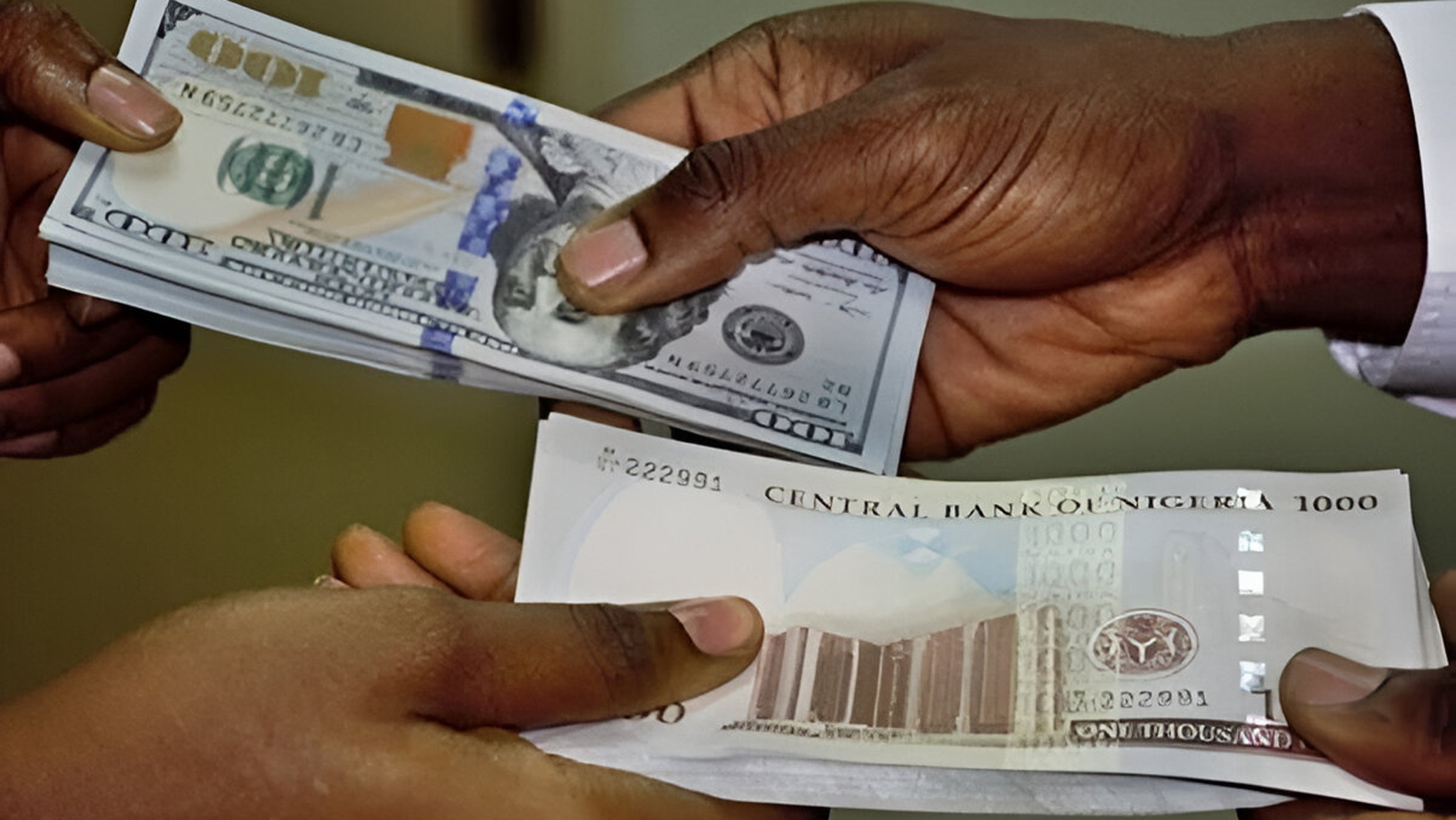
Nationwide survey has revealed that most Nigerian businesses face significant challenges in accessing government procurement opportunities, prompting the Network for Fiscal Governance and Accountability Development (NEFGAD) to call for urgent reforms to improve transparency, accountability and competitiveness in public procurement.
The findings, released yesterday by the procurement advocacy organisation, showed that 63.6 per cent of respondents described access to government procurement opportunities as difficult or very difficult, suggesting that many qualified businesses continue to face barriers in competing for public contracts.
The digital perception survey, conducted among civil society organisations, contractors, consultants, procurement professionals and service providers, also exposed broader concerns over the transparency and effectiveness of Nigeria’s public procurement system.
According to the report, only 40.9 per cent of respondents rated public procurement processes as transparent or very transparent. At the same time, the majority believed the system was either only somewhat transparent or insufficiently open.
The survey further found that 54.6 per cent of respondents believed procurement opportunities are rarely or never advertised fairly and openly, raising concerns over equal access, competition and fairness in the award of public contracts.
ON the other hand, a policy think tank, the Independent Media and Policy Initiative (IMPI), has stated that Nigeria spent about $388 billion defending the naira between 2000 and 2023, describing the expenditure as wasteful and arguing that it failed to halt the persistent depreciation of the local currency.

The group said the huge outlay, incurred under successive administrations before President Bola Tinubu assumed office in 2023, did not prevent the naira from weakening against the United States dollar despite years of interventions in the foreign exchange market.
In a policy statement signed by its Chairman, Dr Omoniyi Akinsiju, IMPI said the Tinubu administration’s decision to unify Nigeria’s multiple foreign exchange windows had eliminated the need for the country to spend an average of $16.8 billion yearly defending the naira.
The group said: “Nigeria’s foreign exchange ecosystem is now celebrated worldwide for its predictability and stability, directly due to the policy of harmonising foreign exchange windows. Before the Tinubu administration made that decision, Nigeria had made the defence of the local currency, the naira, a state policy. Yet the naira continued to depreciate against the dollar, no matter how much was spent defending it.”
IMPI said records showed that the Olusegun Obasanjo administration spent about $60 billion defending the naira over eight years, while the Umaru Musa Yar’Adua administration spent $58 billion in three years. It added that the Goodluck Jonathan administration recorded the highest spending at $145 billion over five years, while the Muhammadu Buhari administration expended $125 billion in eight years.
The group argued that despite the cumulative expenditure, the naira depreciated sharply, falling from about N22 to the dollar in May 1999 to N460 in May 2023 at the official market, while the parallel market rate weakened from N80 to N780 over the same period.

