 Follow Us on Google News


 Follow Us on Google Discover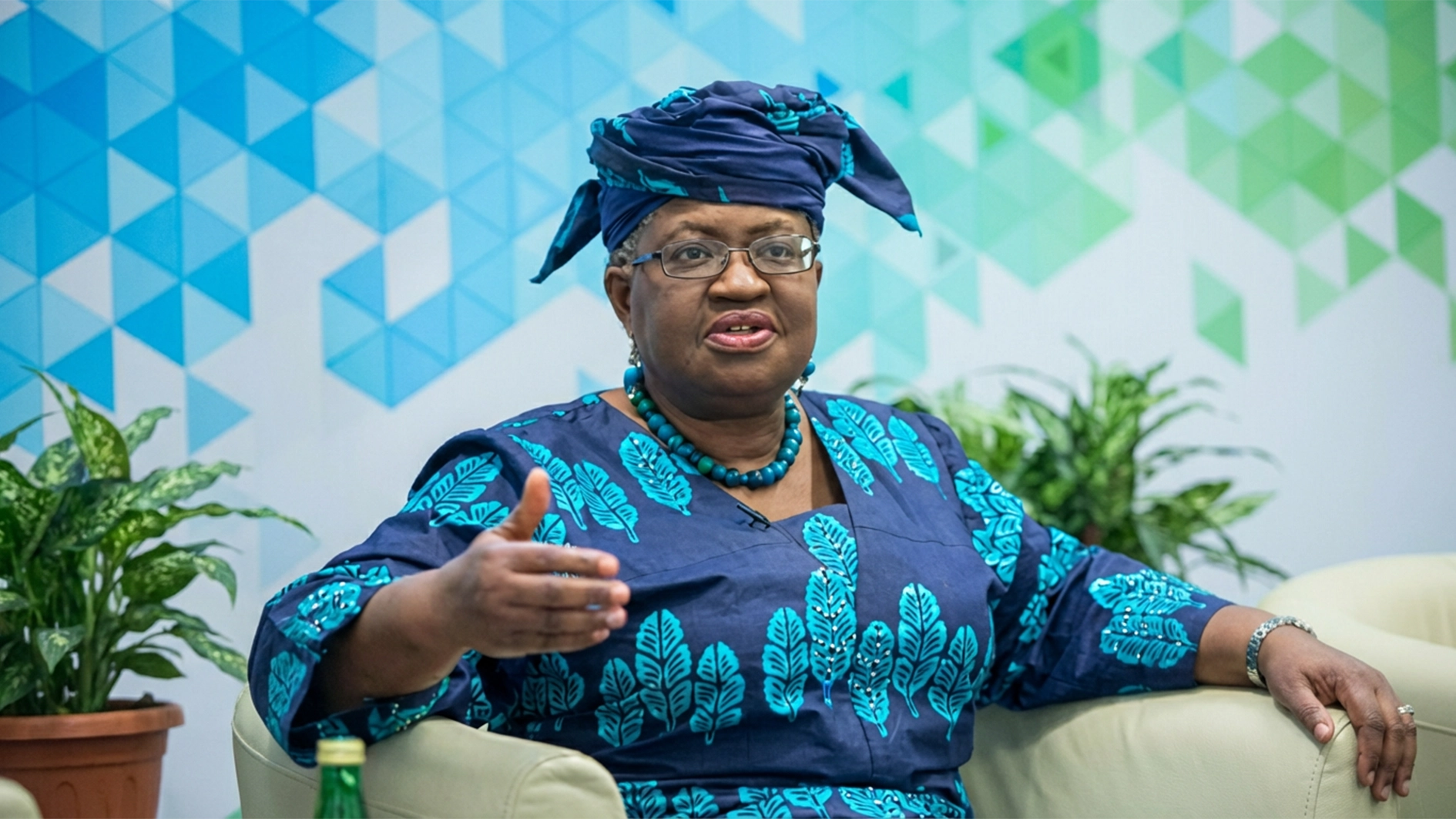
Director General, World Trade Organisation (WTO), Dr. Ngozi Okonjo-Iweala, has said that Nigeria is rightly positioned to lead Africa’s trade reform in an increasingly fragmented world.
Speaking on Thursday at the World Economic Forum in Davos, she dismissed the idea that multilateralism has ended, adding that there are many opportunities for Nigeria and Africa in the current global trading environment. “I know it looks gloomy, and we hear that trade has been destroyed and that global trade rules no longer work. Trade has indeed been severely disrupted – the biggest disruption in 80 years – over the past year, but almost three-quarters of world trade is still going on on our terms. There’s disruption, but the system is resilient.”
She said many countries are seeking trade diversification after realising they are overly dependent on particular countries for supply. She said that sourcing the vast majority of supplies from one country can cause severe trade disruptions, hence the need to diversify. In that context, Nigeria, with a large market of 220 million and a sizable middle class, has a chance to attract some of these supply chains that are trying to diversify in pharmaceuticals, textiles, agro-processing, and many other areas where I think we can have a comparative advantage. So I think this is our time, but it will not fall into our laps. We have to work for it, and I think this is the direction.
She called on African nations, particularly Nigeria, to prioritise value addition to their products to strengthen trade within the continent and beyond.
The DG noted that Africa’s trade is dominated by raw materials and commodities, with 60 per cent of exports to other regions remaining unprocessed. She argued that value addition is critical to expanding intra-African trade, which currently accounts for only 15 to 20 per cent of total trade on the continent.
“We need to add value to our products, even in the intra-Africa market, because we’re trading with each other. We mostly trade commodities and raw materials. 60 per cent of our exports elsewhere are still raw commodities. I know it’s changing, and African leaders are recognising that they have to change. So they’re making moves. But we need to accelerate that and add value. That way, we can trade different products with each other.”

The WTO chief highlighted opportunities for Nigeria to dominate African markets, such as textiles and apparel, given the country’s strong fashion industry. She also pointed to emerging sectors, such as digital pharmaceuticals and digitally delivered services, where African women and youth are already excelling.
She said, “I’m very excited that Nigeria might be able to take over the African market in textiles and apparel, because we have powerful people in fashion. If we can scale it, especially as the Minister of Industry, Trade and Investment, Dr. Oduwole, says we’re already working to scale up some of this. We need to scale it so we can capture the African market, because we have a strong advantage in that particular area. Our women and our young people are doing amazing things, and I admire them. If we can capitalise on this, we can capture a big slice of the African market.”

