 Follow Us on Google News
 Follow Us on Google Discover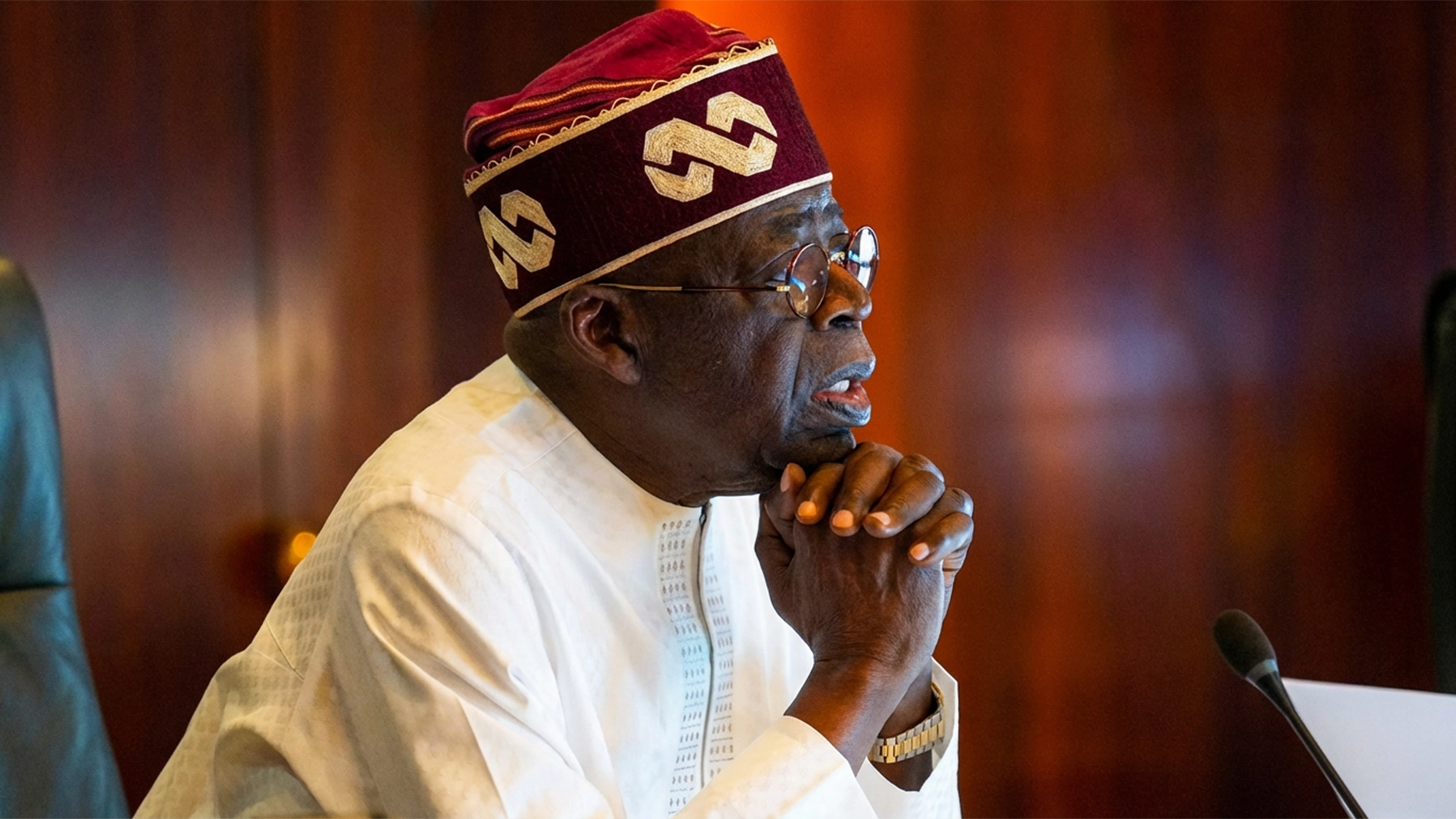
Nigeria’s downstream market comes under renewed pressure following the hardline directive by President Donald Trump ordering a naval blockade of the Strait of Hormuz, a new twist to the Middle East conflict that could push up crude to as high as $127 per barrel.
The directive heightened tension and rattled the commodity market yesterday, with analysts betting on above $100-per-barrel crude ahead of this week’s trading. This would end the breather that followed the cease-fire deal that saw crude climbing down to near $90 last week.
Analysts at JPMorgan Chase expect oil prices to stay high in the second quarter, above $100 a barrel, before easing in the second half of the year.
To validate the rockets and feathers hypothesis, prices of premium motor spirit (PMS) remained near N1300 per litre despite last week’s crash of crude price. Other by-products of crude also remained unchanged, with diesel trading near N2000 per litre.
The renewed conflict will certainly increase cost pressure on refiners, including Dangote Petroleum Refinery, in the coming days. The spike in the volatility could make the prices of derivatives only responsive to upward crude movement, a situation that could push the PMS pump prices to N1,500 or above if the tension continues.
Higher fuel prices are also stoking social tension, with the World Bank, in its latest Nigeria Development Update (NDU), calling for the issuance of more import licences to increase competition. The recommendation, contained in a document that has been taken down by the development institution, has attracted criticisms from local economists who have warned that an outward solution-seeking approach to the current crisis would undermine economic reforms and erode the gains.
Yesterday, the Founder of the Centre for Promotion of Private Enterprise (CPPE), Dr Muda Yusuf, joined forces with critics of the World Bank’s recommendation, saying it would amount to policy reversal with negative consequences for market confidence.
President Bola Tinubu has damned populism and remained resolute in the past three years, administering pro-market reforms that have improved the fiscal outlook but worsened the cost-of-living crisis the citizens have had to endure in the eight years of the administration of late President Muhammadu Buhari.
Whereas prices are still high, the country has witnessed relative stability in the general prices with headline inflation slowing to about 15 per cent, the President’s target last year. The World Bank said the country should consider a more aggressive import to cool the current tension.
While Nigerians are not seeking more import but lower prices, a few individuals have been seeking the return of subsidy, by whatever name the government would label it, even if it is a temporary measure to maintain stability in the face of fast-rising cost of PMS, which has increased by over 50 per cent since the beginning of March. Diesel, an important product input cost, has increased by about 100 per cent.
Coming at the foot of a long campaign for a general election where Tinubu would be seeking re-election, the ongoing crisis tests the President’s determination to see through the market liberalisation Nigerians have already sacrificed much to keep going.
Trump’s latest announcement jolted global energy markets, with Brent crude rising from about $95 per barrel in recent sessions as traders priced in the risk of severe disruption to one of the world’s most strategic global transit corridors, which accounts for nearly a fifth of global crude flows.
In a post on Truth Social, Trump said the United States Navy would begin the process of “blockading any ships trying to enter or leave the Strait of Hormuz”, describing Iran’s actions as “word extortion” while indicating military enforcement across international waters.
Shipping data suggests disruption is already materialising. According to Leonard Fisher-Matthews, deputy head of European freight pricing at ArgusMedia, vessel movement through the Strait has dropped sharply, with only about 10 ships crossing since the brief ceasefire announcement, compared to a daily average of 125 before the escalation.
Fisher-Matthews said political uncertainty between Washington and Tehran has left ship operators without clear safety protocols, while about 800 vessels carrying crude oil, refined products and other cargo remain stranded on the western side of the strait.
Market operators said the direction of oil prices remains uncertain, even as the latest escalation has reinforced expectations of sustained volatility in the near term, with direct implications for import-dependent economies such as Nigeria.
For Nigeria, the impact is already unfolding, with experts warning of imminent upward pressure on petrol prices, tighter supply conditions and renewed inflation risks.
At the centre of the domestic response is the Dangote refinery, which has become the price fixer in the deregulated downstream sector.
The 650,000 barrels-per-day facility supplies a significant share of Nigeria’s estimated 60 million litres daily petrol consumption and has repeatedly adjusted ex-depot prices in recent weeks in line with global crude movements.
When crude briefly climbed above $100 per barrel, the refinery raised ex-depot prices to about N1,275 per litre. It later reduced prices when crude eased to around $95, offering temporary relief to consumers. With crude now expected to surge above $120, experts said another upward adjustment is likely.
The refinery’s exposure to global crude dynamics remains a key factor. Despite operating in an oil-producing country, the company continues to face constraints in sourcing sufficient domestic crude, relying partly on international purchases priced at global benchmarks.
The Guardian gathered that the refinery requires between 13 and 15 cargoes of crude monthly but has struggled to secure an adequate local supply, forcing it into the volatile global market, hence tying its pricing structure to international oil movements.
The pricing environment is further shaped by structural constraints in the downstream sector, with reduced import activity narrowing competition and increasing reliance on domestic refining.
The World recommended the reinstatement of petrol import licences to reintroduce competition into the PMS market and improve price stability, noting that a more open supply structure would help cushion the economy against external shocks.
An energy economist, Wumi Iledare, told The Guardian yesterday that the market reaction reflects a typical response to geopolitical shocks, stressing that Nigeria cannot be insulated from global oil dynamics even as an oil-producing country.
He said oil markets remained highly sensitive to geopolitical developments, with prices reacting sharply depending on traders’ interpretation of risks. According to him, further movements remain possible in the coming days depending on whether tensions ease or escalate.
Iledare noted that Nigeria’s domestic pricing structure is directly tied to global crude benchmarks, suggesting that local petrol prices will inevitably adjust in response to international movements and landing costs.
He added that rising crude prices feed directly into production and transport costs, with inflationary effects likely to follow, although not always in direct proportion due to broader market dynamics.
While cautioning against renewed subsidy expectations, he said price remains a critical signal in a deregulated market. He stressed the need to protect social welfare during external shocks.
“What I can expect is a short-run increase in the price of petrol as a result of this war in the Middle East. We just need to find a way to create some policy to make sure the social well-being of society is not diminished,” he said.
Another energy expert, Dr Ayodele Oni, said the surge in crude prices to about $127 per barrel presents both opportunities and risks for Nigeria.
He noted that higher oil prices could boost foreign exchange (FX) earnings. Still, he warned they are also likely to intensify inflation through rising transport and production costs, which will increase pressure on households.
He added that sustained geopolitical tension around the Strait of Hormuz could heighten uncertainty and weaken investor confidence at a time Nigeria needs capital inflows to diversify its economy.
“On the other hand, there’s a darker side to this increase. Higher oil prices are likely to spark inflation, with transportation and production costs rising in tandem. For many Nigerians already facing the challenges of high living expenses, this could feel like a double whammy, as prices for basic goods and services climb higher, squeezing household budgets even more,” he said.

