 Follow Us on Google News


 Follow Us on Google Discover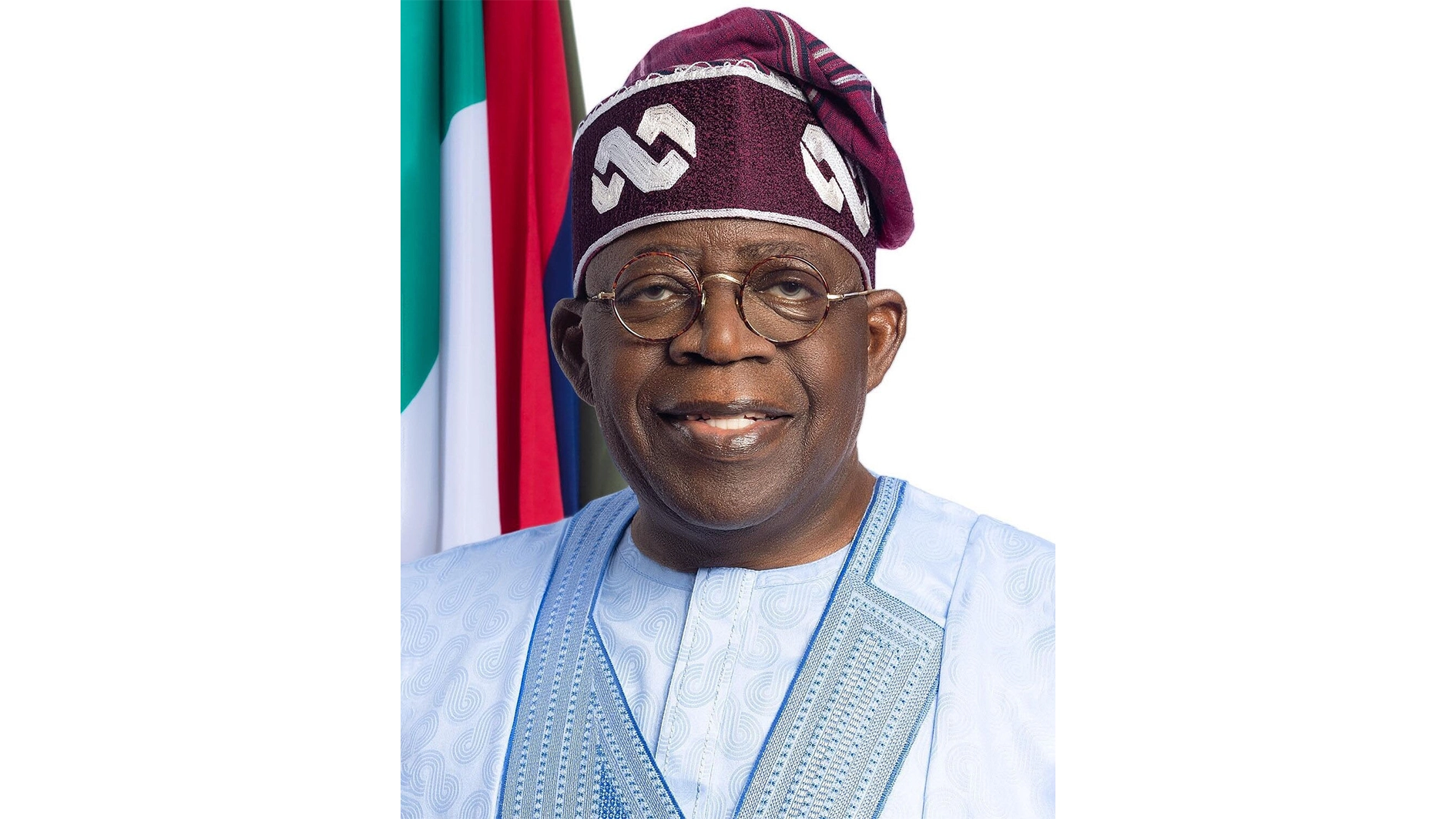
Nigeria has been ranked 5th in the latest Africa’s 20 best-performing countries by Jeune Afrique and The Africa Report, which noted that the country was weighed down by a Gross Domestic Product (GDP) per capita that has fallen over the reference period, a high level of debt (more than 90 per cent of GDP in 2024), weak regional integration, and a rule of law, which is among the most deficient on the continent.
It also misses out on the Top 10 most prosperous African countries. According to the Atlantic Council’s 2026 Prosperity Index, Africa’s most prosperous nations are those that have managed to combine economic opportunity with strong social outcomes, environmental sustainability and greater inclusion.
The ranking of Africa’s 20 best-performing countries is based on a proprietary methodology that analyses the trajectories of African states across three key dimensions: governance, influence and innovation.
Moving away from rankings based solely on GDP or conventional development indicators, this ranking offers a more comprehensive, forward-looking measure of African nations’ performance. It takes into account the ability of states to govern effectively, to carry weight on the international stage, to attract investment, to project their culture and diplomacy, and to prepare for the future through education, start-ups, patents and innovation.
For the 2026 edition, South Africa retains first place, with a comfortable lead, dominating in particular the “influence” and “innovation” dimensions, driven by its academic, scientific and entrepreneurial ecosystem, its diplomatic weight, its membership of the BRICS and the G20, as well as its symbolic and cultural capital. It nonetheless remains less well ranked in terms of governance, which illustrates the complexity of its trajectory.
The podium, by contrast, sees a major reshuffle. Mauritius climbs to second place, driven by its institutional stability, attractive business environment, and successful economic diversification. Namibia records the year’s strongest rise, moving from 15th to third place.

Its political stability, its infrastructure, its financial markets, its natural resources, and the improvement of its governance indicators – notably its ability to collect taxes – make it the great revelation of this edition.
Behind this leading trio, Morocco confirms its status as a safe bet and ranks 4th, benefiting from several years of investment in infrastructure, industry, renewable energy and sport. Like South Africa, Nigeria finished 5th and Egypt, 6th, severely penalised by poor governance scores, but remain among the continent’s heavyweights, driven by the size of their market, their influence and their capacity for innovation.
The top 10 is completed by Rwanda in 7th, Ghana in 8th, Côte d’Ivoire in 9th and Kenya in 10th. West Africa thus confirms its dynamism, driven by the economic rivalry between Accra and Abidjan, the rise of Nigeria and the progress of Côte d’Ivoire, which has become one of the continent’s major regional hubs.
Beyond the Top 10, the map of African performance is being redrawn. Algeria, which benefits from the poor performances of several countries previously ranked ahead of it, such as Senegal and Tunisia, advances markedly and reaches 12th place. Mauritania enters the top 20, notably driven by renewed diplomatic influence. Mozambique also joins the ranking.
Conversely, Ethiopia falls sharply, penalised by weaknesses in fiscal transparency and governance. Botswana, Kenya and Tanzania also lose several places. These movements reflect the new criteria taken into account in 2026, notably the tax burden, regional integration and a more refined measure of soft power.
Commenting, Director of Special Content, Partnerships and Media Diversification at Jeune Afrique Media Group, Julien Wagner, said: “This ranking has a deliberately dynamic and forward-looking dimension, giving greater weight to recent trends. It shows that a country’s performance cannot be reduced to its size, its wealth or its demographic weight. It is measured by the consistency of its long-term choices, the robustness of its institutions, its capacity for innovation and its ability to exert influence.
“The 2026 edition reveals a continent in motion, where certain balances are confirmed while new players are making their mark. With this second edition, the ranking is becoming a genuine barometer of these realignments.”
The 2026 methodology is based on the combined analysis of 24 indicators spread across three major dimensions. Governance has 50 per cent of the performance index, influence 25 and innovation 25.
THE prosperity index measures both individual well-being—through indicators such as income, education, and health—and shared prosperity, including environmental quality, income equality, and the well-being of minority groups.
Countries are ranked based on the equally weighted average of six indicators and grouped into categories ranging from “High Prosperity” to “Lowest Prosperity.”
The rankings highlight an important reality: the world’s richest countries are not always the most prosperous.
Seychelles, Africa’s most prosperous country (with score 77.4), ranked 39th globally in the 2026 Prosperity Index; Cape Verde (Ranked 42, Score: 76.1); Mauritius (Rank 45, Score: 74.6); Ghana (Rank 46, Score: 73.2) and South Africa (Rank 50, Score: 72.6)
Others are Botswana (Rank 55, Score: 72); Namibia (Rank 58, Score: 71.4); Senegal (Rank 63, Score: 69.5); Lesotho (Rank 72, Score: 67.5) and The Gambia (Rank 74, Score: 67.2).

