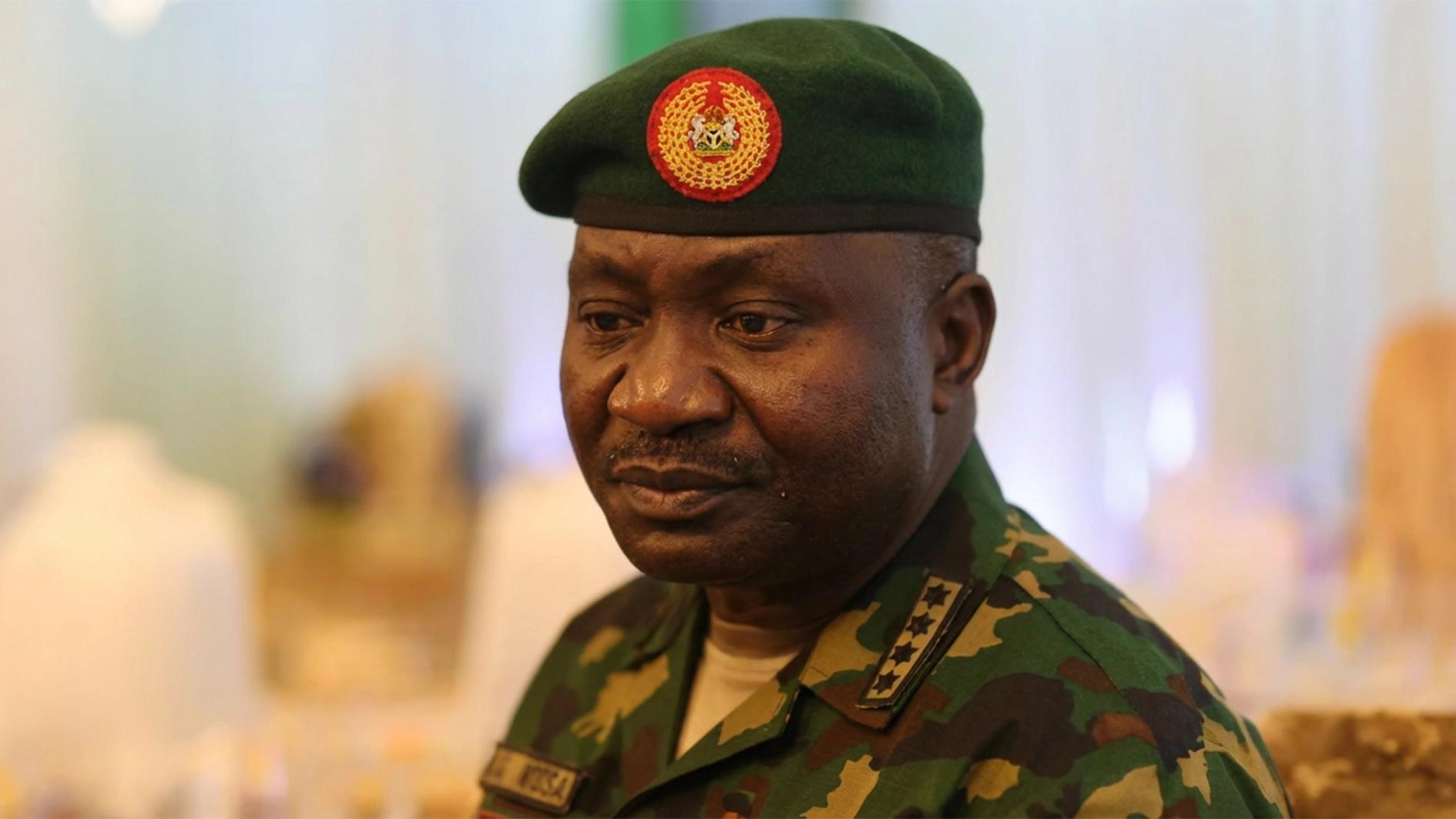
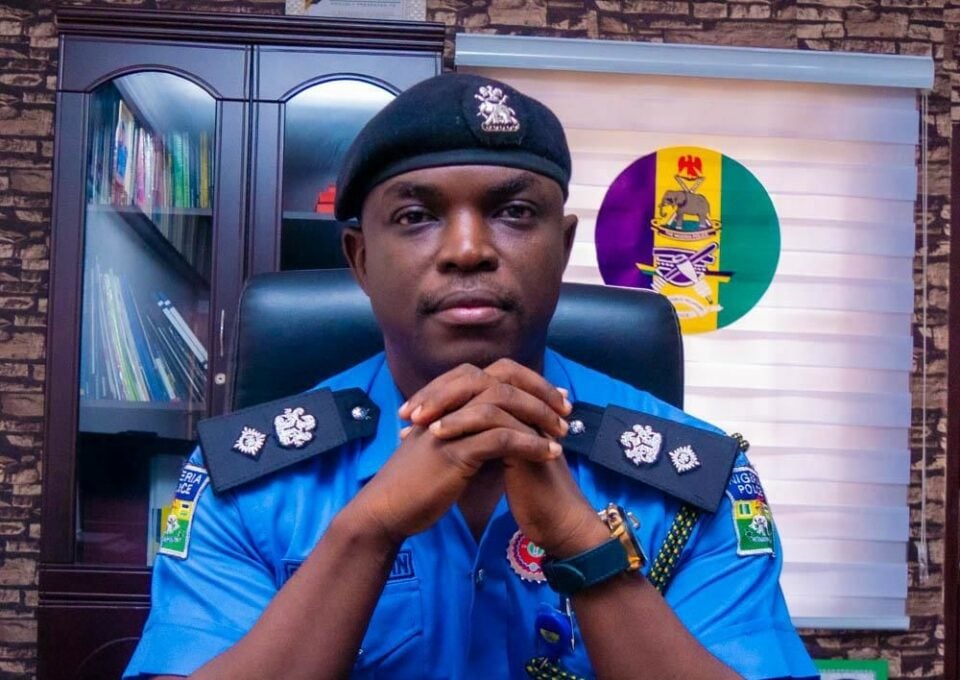
Rep Abdussamad Dasuki has called for a strategic shift in Nigeria’s diplomatic approach, urging President Bola Tinubu to appoint retired senior military officers as ambassadors to nations that play crucial roles in supporting Nigeria’s defence and security objectives. The lawmaker, who represents the Kebbe/Tambuwal Federal Constituency of Sokoto State in the House of Representatives, said the time had come for Nigeria’s foreign policy to reflect the realities of its most pressing security challenges.
In a statement released on Monday, Dasuki said the country has an abundance of retired military professionals whose decades of operational and strategic experience could make them valuable assets in diplomatic missions where defence cooperation is a central priority. He argued that these individuals, having served in high-level operations and undergone specialised training, possess unique insight that could significantly strengthen Nigeria’s engagement with foreign partners.
Dasuki noted that many of these former officers have participated in complex national and international missions, giving them a level of exposure that would be particularly beneficial in countries from which Nigeria seeks military support, intelligence collaboration or access to advanced equipment. According to him, using such expertise in diplomatic roles could provide added depth to negotiations on security matters and ensure that government decisions are guided by practical, experience-based perspectives.
The lawmaker acknowledged that ambassadorial appointments remain the exclusive constitutional prerogative of the President, but maintained that the scale and persistence of Nigeria’s security crisis demand a more strategic approach to selecting envoys. He observed that the country continues to face violent attacks, kidnappings and insurgent activities across multiple regions, adding that these conditions have placed extraordinary pressure on national security institutions.
Dasuki said Nigeria’s diplomatic presence in key partner nations must convey a clear commitment to strengthening defence relationships. He explained that appointing retired officers with operational backgrounds would demonstrate a mature understanding of the complex link between diplomacy and national security, especially in countries where defence cooperation forms a substantial part of bilateral relations.
He added that the responsibilities of ambassadors in such contexts extend far beyond ceremony. Their work, he said, involves sustained engagement with host governments, defence ministries, security agencies and industry actors whose support is essential to Nigeria’s efforts to modernise its military capacity. Individuals with military experience, he argued, would be able to approach these engagements with the necessary nuance and technical understanding.
Dasuki concluded by urging the government to prioritise strategic competence in future ambassadorial nominations, stating that Nigeria must match its foreign policy appointments with the realities of its security challenges to maintain stability and pursue long-term defence goals.