 Follow Us on Google News
 Follow Us on Google Discover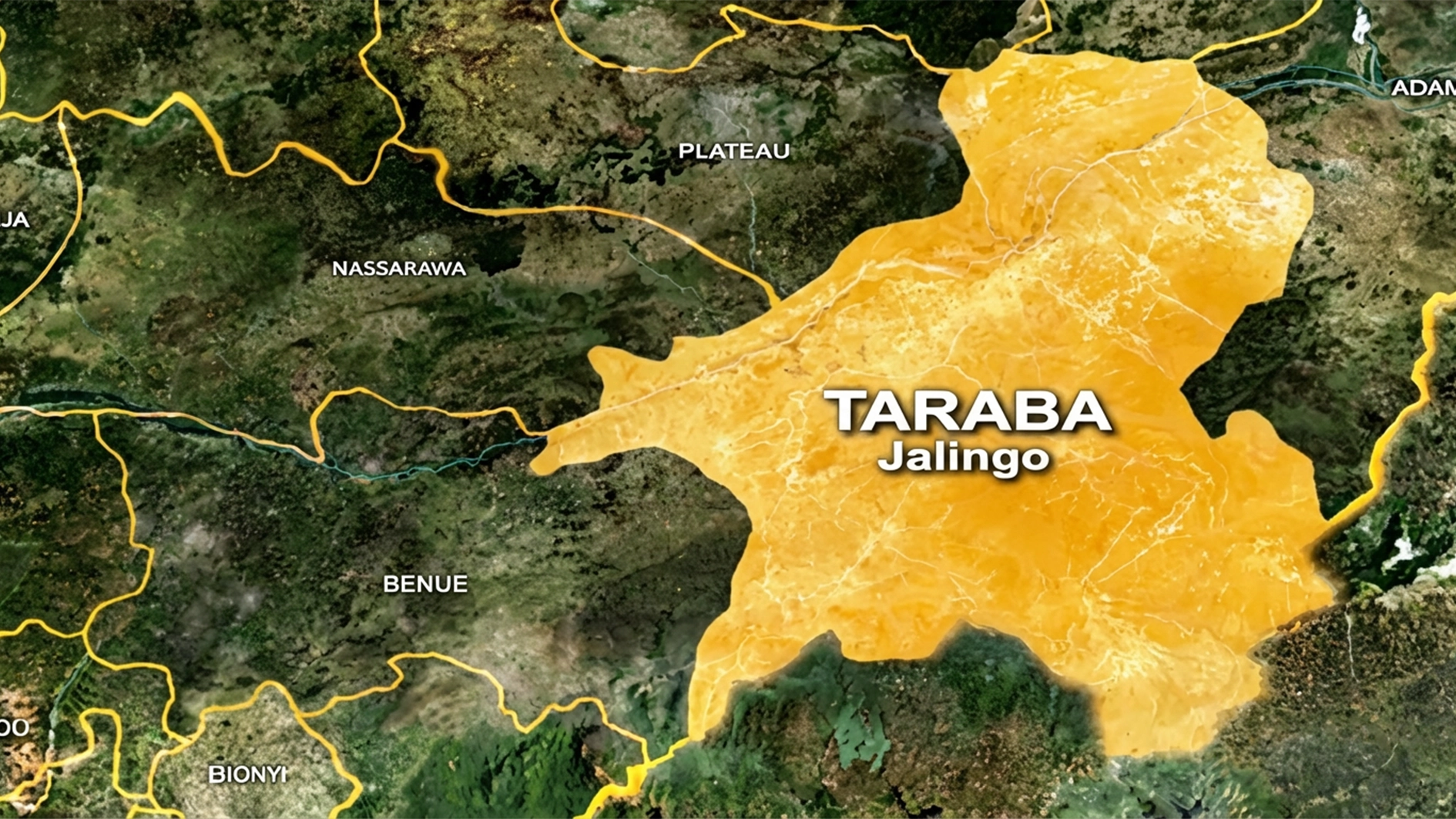
In Gyatta’aure Ward of Donga Local Government Council of Taraba State, the steady flow of clean water from a rehabilitated borehole is transforming daily life for residents who for years endured acute water scarcity.
More than 300 households, as observed by The Guardian, now have access to potable water following the rehabilitation of the borehole, an intervention residents attribute to Chief Bulus Maiyaki, popularly known as Makama Donga.
Before the project, many families reportedly paid high prices for water or relied on unsafe sources, exposing them to health risks.
Residents who spoke with The Guardian described the development as a rare and meaningful intervention in a community long accustomed to unfulfilled political promises.
“For years, we heard speeches but saw little action,” said Mallam Sanusi Muhammed, a community member. “It was only with the emergence of Makama Donga that projects began to have a human face — interventions that address basic needs and restore dignity to the masses.”
Local stakeholders noted that the consistency of the interventions has set Dr Maiyaki apart from past political actors, expressing the view that his record suggests a capacity to deliver people-focused infrastructure if entrusted with public office.

Beyond water provision, residents also credited Dr Maiyaki’s role as Director of Procurement at the Rural Electrification Agency (REA), Abuja, with facilitating the distribution of electricity transformers across parts of Southern Taraba.
According to community leaders, the initiative has helped extend electricity to several rural areas, lighting homes, supporting small businesses and improving public spaces that had previously remained without power.
One of the village heads confirmed that the electrification projects have had a visible impact on economic and social activities within the benefiting communities.
Dr Maiyaki has also drawn commendation from religious leaders, as the Catholic Bishop of the Diocese of Wukari, Most Rev. Mark Maigida Nzukwein, described him as a distinguished philanthropist whose contributions cut across religious, ethnic and political boundaries.
The Bishop highlighted his support for education, youth empowerment, community development and assistance to vulnerable groups.
“Leadership should be entrusted to individuals with proven character, compassion and a track record of selfless service,” Bishop Nzukwein said, urging citizens to support leaders who promote peace, inclusion and the common good.
Also speaking, the Tiv traditional leader in Donga, Chief Sabastine Uma, thanked Dr Maiyaki for additional interventions, including the provision of solar street lights, home solar systems, rice distribution and job placements for Tiv youths.
He noted that the gestures demonstrated inclusive leadership regardless of ethnic differences, adding that the Tiv community would support Dr Maiyaki’s political aspirations when the need arises.
Speaking on the importance of the borehole projects, Dr Maiyaki emphasised the central role of water in human development.
“Access to safe water is fundamental to public health, education and economic productivity,” he said.
“Life itself revolves around water, and its importance cannot be overemphasised. By restoring these water sources, we are not only solving existing problems but also showing that leadership must begin with understanding the daily needs of the people.”
For many residents at the grassroots, the expectation remains that the informal leadership they say they are already experiencing will one day be institutionalised, bringing sustained development, dignity and opportunity to communities across Southern Taraba.

