 Follow Us on Google News


 Follow Us on Google Discover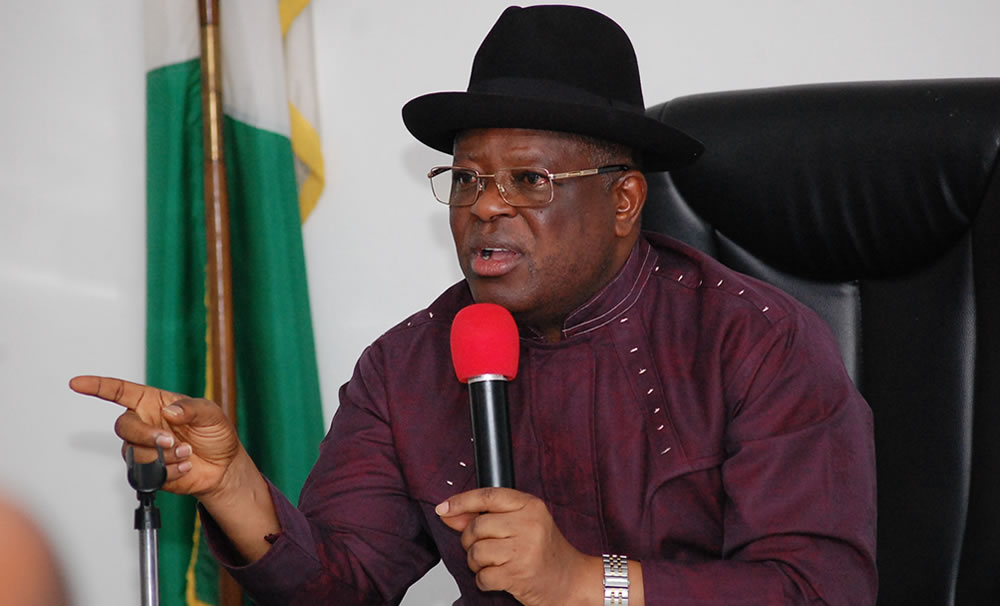
Minister of Works, David Umahi, says buildings located within 15 metres of the Lagos-Calabar Coastal Highway corridor will be demolished to make way for service lanes, insisting the measure is part of the project’s approved design.
Speaking in an interview with ARISE News, Umahi said the Federal Government would enforce the right-of-way along the coastal highway, adding that affected structures within the designated setback would be removed during construction.
He said the service lanes were designed to improve access to adjoining communities and businesses while enhancing traffic flow along the coastal corridor.
The minister also defended the project against claims that it had worsened flooding in Lagos, insisting the highway was specifically designed to reduce flood risks through extensive drainage infrastructure.
“The coastal highway was designed to mitigate flooding, not cause it,” Umahi said.
He said the project incorporates multiple culverts, stormwater evacuation channels and other drainage systems intended to manage runoff, protect nearby communities from ocean surges and improve flood resilience.

Umahi said flooding in areas such as Victoria Island predated the highway project, blaming the recurring problem on blocked drainage channels, indiscriminate refuse disposal and construction on natural waterways.
He added that an Environmental and Social Impact Assessment (ESIA) had been completed before construction began and made available to the public, while noting that the highway was also intended to improve security along the coastal corridor.
His remarks come amid public debate following weeks of heavy rainfall that inundated several parts of Lagos, leaving major roads submerged, disrupting traffic and damaging homes and businesses.
The minister’s comments echo those of Lagos State Commissioner for Waterfront Infrastructure Development, Dayo Bush-Alebiosu, who attributed the flooding primarily to environmental abuse rather than infrastructure projects.
Speaking on Channels Television’s The Morning Brief, Bush-Alebiosu said illegal land reclamation, unauthorised dredging and poor waste disposal were undermining efforts to tackle flooding in the state.
“It is important to identify what the problem is in the first place, and the problem is nothing other than bad habits,” he said.
“I mean, illegal reclamation and illegal dredging affect it on one hand; habits affect it on the other hand.”
The commissioner said while illegal reclamation was driven by commercial interests, indiscriminate refuse disposal reflected residents’ attitudes towards environmental sanitation.
“At the end of the day, those who, out of habit, dump refuse aren’t doing it because they want to make money from it. However, those who are reclaiming illegally are doing it for commercial purposes. So, you have both sides,” he said.
Bush-Alebiosu also warned against dumping human waste into lagoons, describing the practice as a threat to both public health and the environment.
“The first thing is that some people even dump faeces into the lagoon. This is the same lagoon that feeds us. You’re eating fish that’s feeding off faeces,” he said.
“So all of these things eventually will come back to bite us, and this is just a typical example of what we’re seeing at the moment.”
Recent flooding has affected areas including Gbagada, Iyana Ipaja, Ikorodu Road, Ikeja, Maryland, Mushin, Ogudu, Lekki, Oshodi, Agege, Alimosho and Obalende, with sections of the Lagos-Ibadan, Lagos-Abeokuta, Apapa-Oshodi and Lekki-Epe expressways also inundated after persistent rainfall.

