 Follow Us on Google News


 Follow Us on Google Discover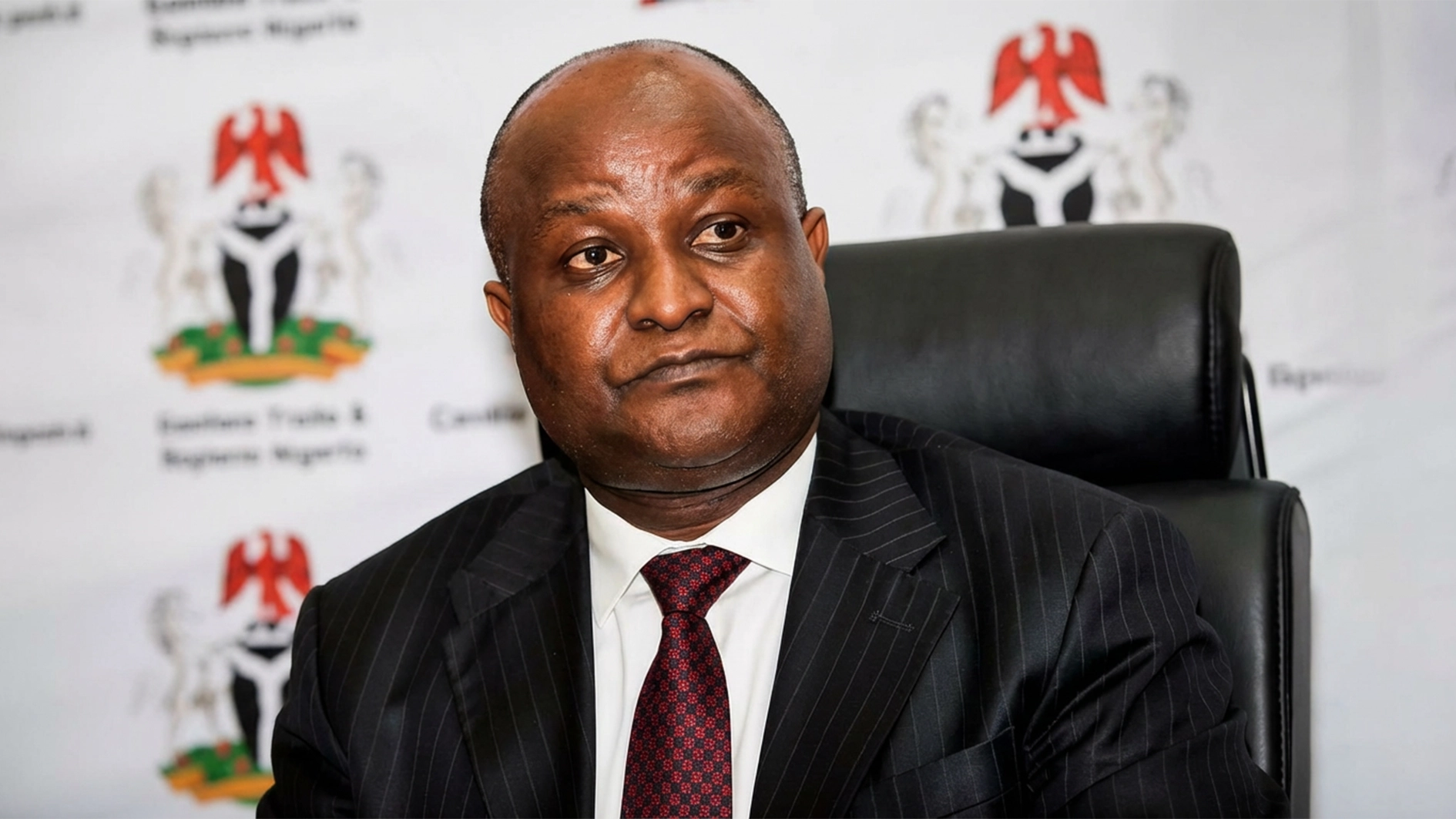
Former Deputy Governor of the Central Bank of Nigeria (CBN), Dr. Tunde Lemo, former presidential spokesman Dr. Femi Adesina, a former Commissioner for Information in Osun State, Funke Egbemode, and Saturday Editor of Nigerian Tribune, Dr. Lasisi Olagunju have called for far-reaching structural and governance reforms, warning that Nigeria’s development will remain elusive without fundamental changes to its leadership and political system.
They spoke at the First Annual Public Lecture of Foursquare Gospel Church, Aba-Ibeji, Ibadan, where they examined the country’s governance challenges and urged Nigerians to embrace reforms capable of unlocking its enormous human and natural resources.
Delivering the keynote lecture titled “Nigeria’s Kinetics: How Long?”, Adesina argued that Nigeria’s stagnation would persist as long as the country’s leadership fails to reflect the quality and aspirations of its people.
According to him, Nigeria possesses abundant human and material resources but has consistently failed to translate its enormous potential into meaningful development.
“As long as the worst of us continue to rule the best of us, there can be no solution to Nigeria’s problems,” he said.
Adesina described the country’s youthful population of over 200 million as one of its greatest assets if properly harnessed, while listing crude oil, natural gas, gold, coal, limestone, iron ore and vast agricultural land among Nigeria’s natural endowments.

He, however, blamed corruption, poor governance, weak institutions, inadequate infrastructure and systemic inefficiencies for the country’s inability to achieve sustainable development, leaving millions unemployed, underemployed and frustrated.
To illustrate his point, Adesina recounted the experiences of Nigerians who only attained economic stability after relocating abroad, questioning why many citizens must migrate before realising their potential.
He also recalled optimistic declarations by successive Nigerian leaders—from Prime Minister Abubakar Tafawa Balewa to President Bola Tinubu—about the country’s promise, lamenting that such assurances had yet to translate into improved living conditions.
“When shall these promises be translated into action? How long?” he asked.
Also speaking, Lemo advocated a comprehensive review of Nigeria’s federal structure, arguing that the existing governance framework has become inadequate for addressing the country’s contemporary challenges.
He urged Nigerians to become more deliberate in demanding accountable and competent leadership.
“We must roll up our sleeves and get the right leaders to fix the country,” Lemo said.
The former CBN deputy governor also cautioned against viewing emigration as a lasting solution to Nigeria’s socio-economic challenges, warning that opportunities abroad may not remain available indefinitely.
“There may soon be no place to ‘japa’ to,” he said, citing increasing anti-immigration sentiments in several countries.
Also, Olagunju maintained that meaningful national progress would remain difficult without a critical review of Nigeria’s system of government.
According to him, structural reforms have become imperative if the country is to overcome its recurring governance and development challenges.
Chairperson of the occasion and former Managing Director/Editor-in-Chief of New Telegraph Newspapers, Egbemode said Nigeria’s challenge was no longer the absence of ideas but the inability to convert vision into measurable progress.
“Nigeria has been in motion for decades, yet the impact of the distance she has covered has not been felt by the citizens,” she said, urging leaders to focus on practical implementation of policies capable of improving citizens’ welfare.
Also speaking, Provost of the Baptist Seminary, Lagos, Dr. Ezekiel Ajibade, said the country’s challenges extended beyond political leadership to include declining civic responsibility among citizens.
He urged the Church to play a more active role in promoting integrity, ethical leadership and responsible citizenship, stressing that building a better Nigeria requires raising a generation committed to justice, accountability and national development.
Ajibade also called on Christians to defend the oppressed, promote peaceful coexistence, encourage innovation and become agents of positive societal transformation.

