 Follow Us on Google News


 Follow Us on Google Discover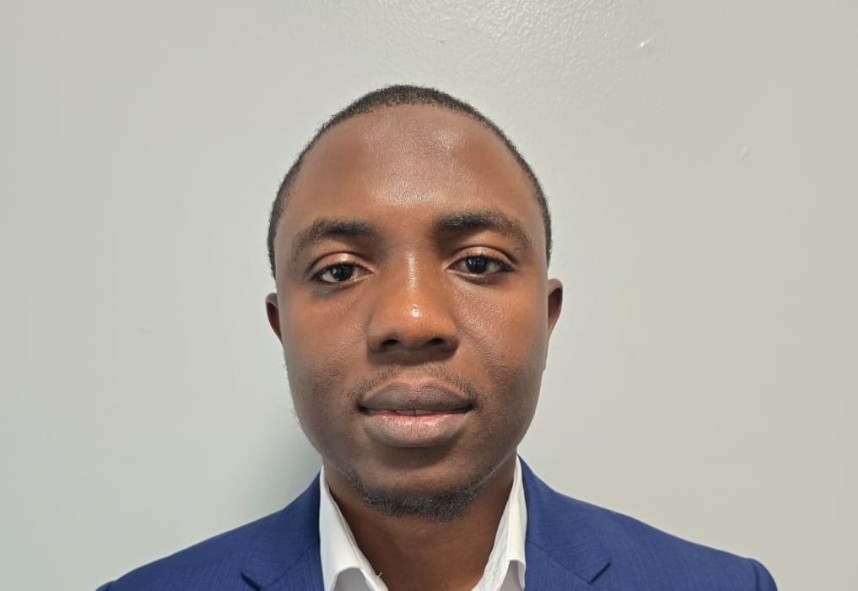
Despite decades of reforms and billions in foreign loans, Nigeria’s power sector continues to struggle with unreliable electricity supply, insufficient metering, and limited access, particularly in rural areas. A Nigerian engineer and energy security expert, Mujeeb Shittu, is advocating for the adoption of technology-driven solutions, including artificial intelligence (AI), Internet of Things (IoT), and distributed energy resources (DERs), to address these challenges and improve the resilience of the nation’s energy infrastructure.
Shittu, a former metering engineer at Ikeja Electricity and a graduate research assistant at North Carolina Agricultural and Technical State University, has focused on research that explores how modern technologies can optimize energy systems. In a June 2024 scholarly article titled Cyber Physical Resilience in Digital Substations: IoT Enabled Adaptive Protection for Secure DER Integration, published in the International Journal of Science, Architecture, Technology, and Environment, Shittu and his colleagues examined how IoT-enabled adaptive protection can improve system flexibility and accuracy as DER penetration increases.
“As digital substations continue to evolve, such technologies will play a critical role in ensuring secure and reliable grid operations in the face of growing complexity and uncertainty,” Shittu said, highlighting the potential for real-time monitoring and data-driven management to strengthen grid resilience.
In another forthcoming paper, IoT Enabled Microgrid and BESS Integration in ADMS: A Framework for Climate Resilient Grid Operation, scheduled for presentation at the IEEE Ninth Symposium on Wireless Technology and Application in December 2025, Shittu emphasized the need for technology adoption to be inclusive of rural and underserved regions. “Ultimately, the future of resilient energy systems lies in the convergence of standards-driven, AI-enhanced, and globally inclusive grid architectures designed to withstand the escalating climate threats of the 21st century,” he said.
Shittu’s research also investigates AI-powered digital twins for predictive maintenance of renewable energy systems. In an October 2024 study titled AI Powered Digital Twins for Predictive Maintenance and Operational Optimization of Renewable Energy Systems, he demonstrated how combining physics-based modeling with machine learning can detect faults and optimize performance in pilot wind and solar installations. “Asset operators and energy system managers should consider adopting hybrid digital twin systems, not just for fault detection but for continuous performance optimization,” Shittu said.
Further research published in March 2025 in the Iconic Research and Engineering Journals, titled Optimising Grid Operation: Automation and Management Strategies for Enhanced Performance in Modern Energy Systems, evaluated the impact of automation technologies such as advanced metering infrastructure (AMI) and distribution management systems (DMS) on grid reliability. Shittu noted that integrating renewables with real-time data analytics enables the grid to respond more effectively to dynamic energy demands. “Case studies indicate that regions with advanced grid management strategies experience fewer outages and more efficient energy use,” he said.

Shittu also stressed the potential economic benefits of distributed energy resources in Nigeria. He cited studies showing the country could develop more than 20 gigawatts of additional electricity capacity through utility-enabled DERs, generating investment opportunities of nearly $14 billion and improving revenue streams for electricity distribution companies while reducing costs for consumers.
Commenting on the current state of the Nigerian Electricity Supply Industry (NESI), Shittu acknowledged reforms such as the privatization of generation and distribution and policy initiatives to integrate DERs. “By 2035, I see Nigeria moving from being heavily dependent on fossil fuels to having a more climate-resilient and intelligent renewable energy sector that can compete globally,” he said.
Looking ahead, Shittu said his work would transition from research to practical implementation over the next five years. “I see my work on IoT-enabled microgrids and battery storage integration, as well as AI-driven grid automation, becoming embedded in the daily operations of utilities,” he said. He added that he aims to bridge academia and industry, collaborating with utilities, regulators, and research organizations to apply these technologies not just in Nigeria, but in other regions where renewable energy and grid resilience are priorities.
Shittu’s interventions highlight a technology-centric path for the Nigerian power sector, focusing on intelligent monitoring, predictive maintenance, and adaptive grid management as key strategies to overcome long-standing systemic inefficiencies.

