 Follow Us on Google News


 Follow Us on Google Discover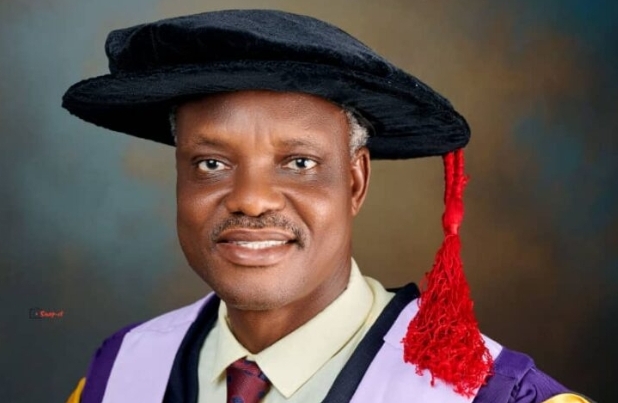
A don and Federal Commissioner of the Tax Appeal Tribunal, South South Zone, Prof Ofiafoh Eiya, on Thursday expressed concern that the Nigerian economy has been characterised by growth without development.
He stressed the need for government at all levels to be more transparent and accountable to citizens in the use of revenues, particularly taxes.
Eiya made this assertion while delivering the 346th Inaugural Lecture at the University of Benin, titled “Unwilling to Die, Yet Desirous of Heaven: Taxpayers’ (NON) Compliance Behaviour and the Quest for Economic Development.”
Eiya, who said the journey towards achieving economic development in Nigeria over the years has faced many challenges, added that economic programmes such as Austerity Measures, Operation Feed the Nation, Green Revolution, Structural Adjustment Programme, Health and Housing for All by 2000, as well as Vision 2020 and 2030, were launched and pursued by the government.
He noted that until recently, when oil prices nosedived, evidence of any aggressive tax programme undertaken by the government to boost revenue from taxes was lacking.
While recognising that the lecture was timely, especially given the current high inflation rate, the decline in oil revenue, and ongoing insecurity, Eiya stated that the lecture focused on a shared journey towards strengthening Nigeria’s fiscal architecture through education, research, and service.

“In Nigeria and most African countries, tax policy formulation and implementation have not been effective. Tax law and administration, which are the other components of the tax system, have not been given adequate attention. Hence, the tax laws are observed more in breach than in compliance in Nigeria. Restrictions and the creation of a database for eligible taxpayers, which is the foundation of tax administration, have not been addressed effectively.
“Most of the eligible taxpayers in the formal sector are outside the tax net, while others pay a fraction of their taxes and levies. The formal sector is worse off.
“According to a former Minister of Finance, the total number of tax payers in Nigeria is just 14 million cut of the 70 million economically active people and of this 149 million, about 96 per cent have their taxes deducted at source from their salaries under the Pay As You Earn (PAYE) system while less than 5 per cent self-employed persons comply with tax payment,” he said.
Eiya added that evidence suggests a lack of accountability for the revenue collected from taxes, levies, royalties, crude oil sales, rates, and fines.
He noted that the lecture attempts to link tax compliance and economic development as a veritable concept that needs more attention.

