 Follow Us on Google News


 Follow Us on Google Discover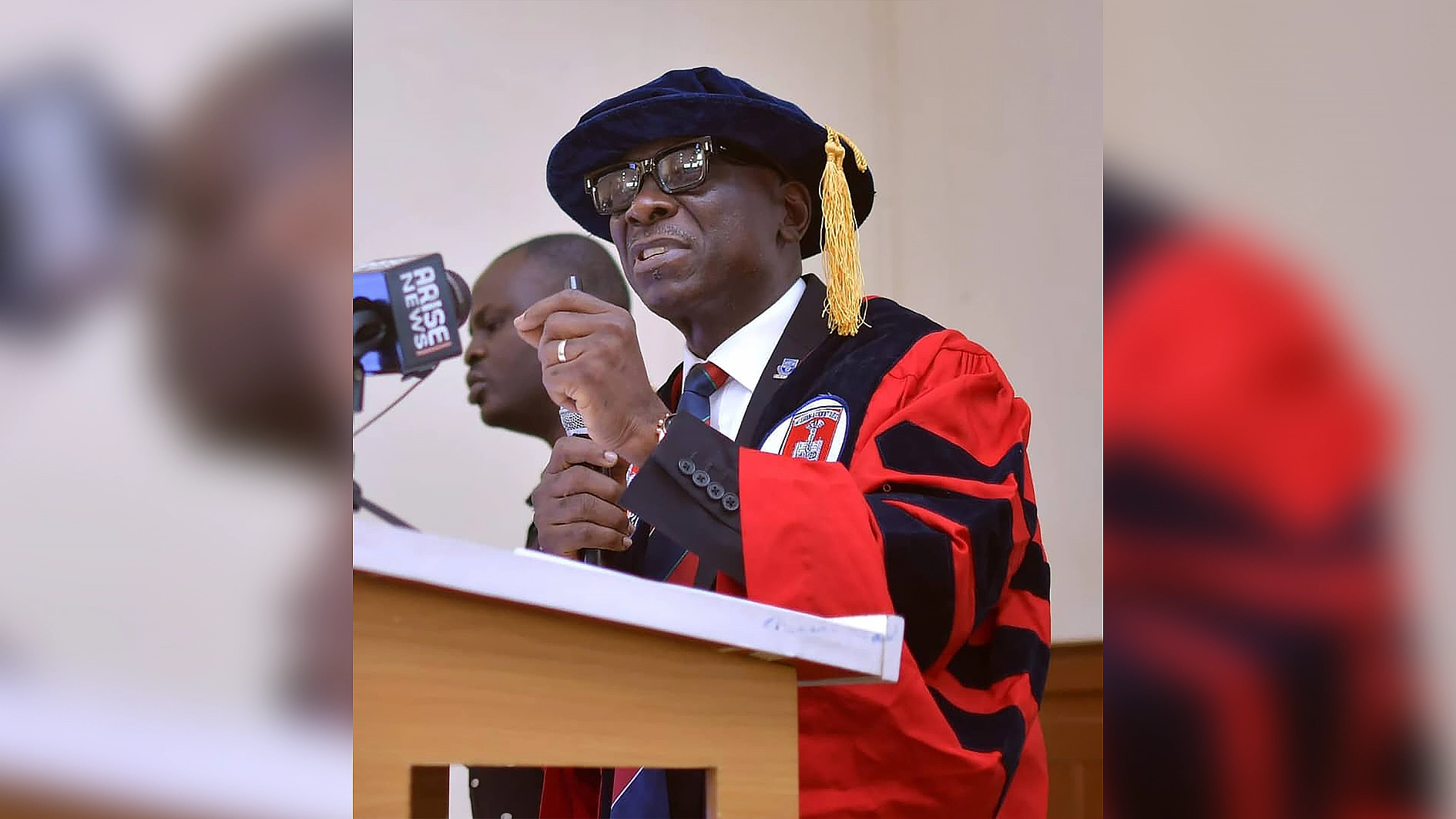
A Professor of Community Medicine at Obafemi Awolowo University, Ile-Ife, Osun State, Thadius Ijadunola, has stressed that the mass exodus of healthcare professionals from Nigeria has reached a threshold that poses a direct threat to national health security and sustainable development.
Ijadunola, who called for a comprehensive overhaul of Nigeria’s healthcare system amid a worsening workforce crisis that shows no signs of abating, stated this while delivering the 5th Oladipo Akinkugbe Distinguished Lecture at the University of Medical Sciences (UNIMED), Ondo State.
With the lecture, titled “Reimagining the Nigerian Healthcare System: Leadership, Research, and Innovation for the Future,” the health expert maintained that Nigeria’s health sector is facing unprecedented challenges, with thousands of doctors, nurses, and other health professionals relocating abroad in search of better opportunities.
While stressing that a number of experienced personnel are reaching retirement age, Ijadunola described the twin challenges as a “double depletion” phenomenon, warning that the concurrent loss is systematically weakening healthcare delivery across the country as well as simultaneously eroding the sector’s future leadership capacity.
According to the professor, reversing the dangerous trend would require bold policy decisions, sustained investment, and coordinated action by governments at all levels, healthcare institutions, development partners, and other critical stakeholders.
“The health workforce attrition crisis constitutes an existential threat to health security and institutional resilience.

“The simultaneous loss of younger professionals through migration and experienced workers through retirement creates a ‘double depletion’ effect, weakening both current service delivery and future leadership capacity,” Ijadunola states.
Ijadunola added that his lecture presented a practical roadmap for transforming the healthcare sector, noting that renewed political commitment would enable Nigeria to harness technology and innovation to improve access to quality and affordable healthcare for its growing population.
He also acknowledged the immediate past vice-chancellor of UNIMED, Professor Adesegun Fatusi, for providing scholarly materials that enriched the preparation of the lecture, while appreciating other authors and organizations whose works were referenced in the course of his presentation.
The Vice-Chancellor of UNIMED, Prof. Ebunoluwa Adejuyigbe, described the annual Oladipo Akinkugbe Distinguished Lecture as more than an academic tradition, saying it represented a celebration of the enduring legacy of one of Nigeria’s foremost physician-scholars and university administrators.
According to the Vice-Chancellor, the late Emeritus Prof. Oladipo Akinkugbe laid the institutional foundation upon which UNIMED continues to thrive through his visionary leadership as the pioneer Pro-Chancellor and Chairman of the Governing Council.
“Today’s gathering is far more than an academic tradition; it is a solemn celebration of a life whose enduring legacy continues to illuminate the path of medical education, university governance, and national development,” Adejuyigbe stated.
She noted that Prof. Akinkugbe’s principled leadership, insistence on excellence, and exceptional administrative acumen helped shape the ethos of the institution and left an enduring legacy for future generations of medical professionals and university administrators.
Adejuyigbe said the theme of this year’s lecture was timely, as it reflected the ideals that Prof. Akinkugbe advocated throughout his career while addressing the pressing realities confronting Nigeria’s healthcare sector in the 21st century.
“As our nation continues to confront evolving healthcare challenges, this theme calls upon all stakeholders to embrace courageous leadership, strengthen research capacity, foster innovation, and build a resilient, equitable, and sustainable healthcare system capable of meeting the needs and aspirations of present and future generations.”
Expressing confidence in the outcome of the lecture, the Vice-Chancellor said the university expected the intellectual engagement to generate practical solutions and policy directions capable of advancing healthcare delivery in Nigeria and across the continent.

