 Follow Us on Google News
 Follow Us on Google Discover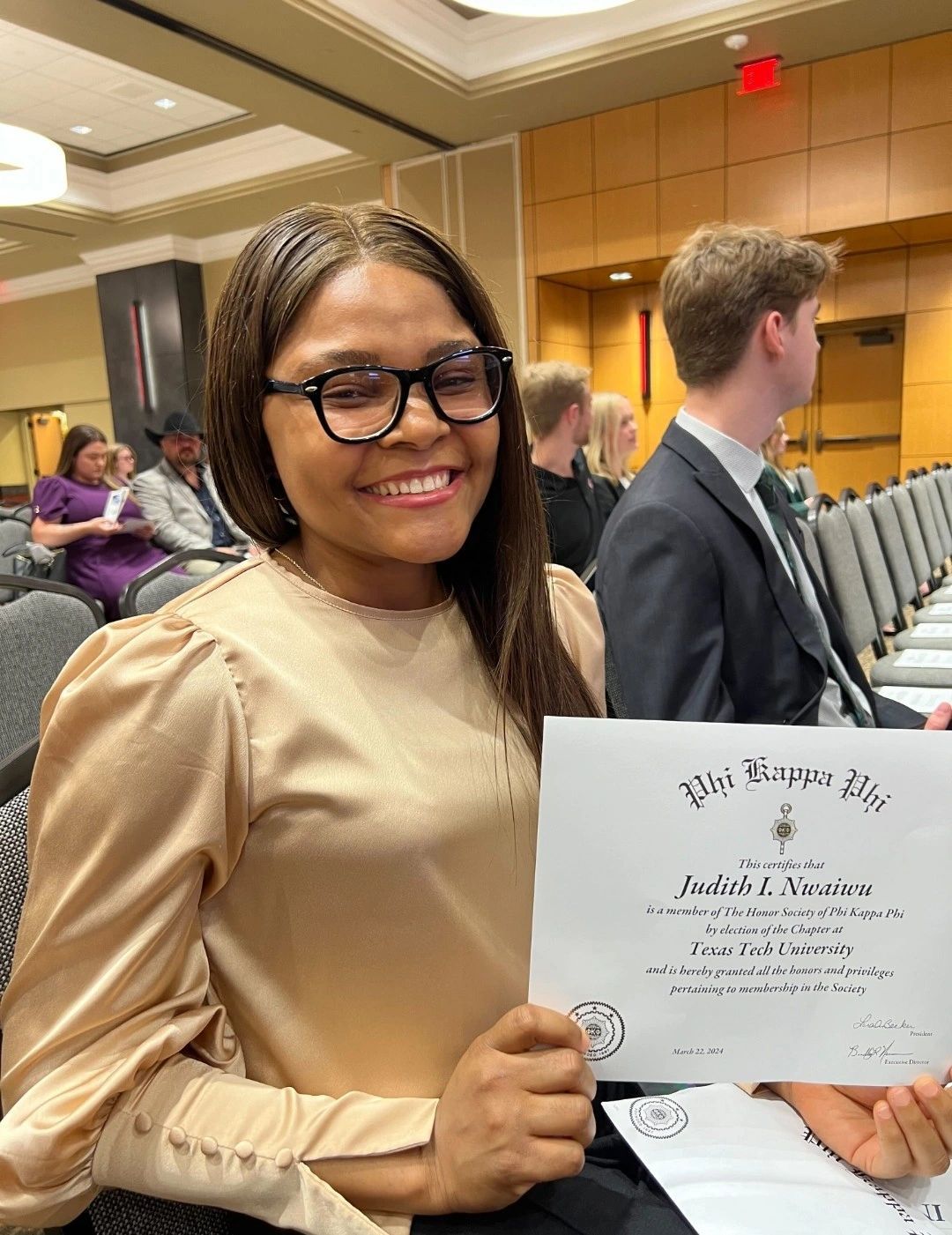
It’s no news that Nigerian scientists and researchers are displaying impressive innovation and excellence in neurotrauma studies, achieving notable progress both locally and internationally. Through advanced research and pioneering technologies, these leading experts are expanding the limits of science and technology.
From pioneering new treatments to inspiring the next generation of scientists, their exceptional efforts are improving global knowledge of chemical data while establishing Nigeria as a key player in this vital area. As they excel globally, their successes highlight the lively and influential role of Nigerian expertise in science.
Among these Nigerian scholars who’s rewriting the script on global health, particularly in the evolving realm of neurotrauma and creating strong influence is Judith Nwaiwu, who’s leading the charge. As a PhD candidate, she stands out as a pioneering figure in this forward-thinking discipline, spearheading developments that are reshaping contemporary science.
At Texas Tech University, where she is completing her doctoral research, Nwaiwu recently led a six-month prospective study examining the neurological complications of Type 2 diabetes. In a notable recognition of excellence, she was inducted into the Phi Kappa Phi Honour Society. The induction, came alongside her receipt of the P.E.O. International Peace Scholarship, a competitive award for outstanding international women pursuing graduate studies in North America.
Membership in Phi Kappa Phi is by invitation only, reserved for the top 10 percent of graduate students. It recognises not just grades but also leadership and service. Sources from Texas Tech’s newsletters describe Nwaiwu as a dedicated member of her lab, contributing to omics research that pushes the boundaries of biochemistry.
Mild cognitive impairment, once regarded as a distinct neurological disorder, is now increasingly recognised as a serious complication of Type 2 diabetes. With no disease-modifying therapies currently available for cognitive decline, researchers worldwide are turning their attention to the neuroprotective promise of newer anti-diabetic drugs.

Amid this global effort, Nwaiwu is drawing international attention for her pioneering work as she is harnessing advanced tools such as mass spectrometry and bioinformatics to probe the molecular underpinnings of disease. Her research focuses on biomolecular interactions, disease mechanisms, and the identification of potential biomarkers—work that could reshape how medicine confronts both diabetes and its hidden neurological toll.
Using the Montreal Cognitive Assessment Battery, she compares patients on metformin alone, those on combination therapy, and healthy volunteers. Early results showed that combination therapy patients performed on par with healthy individuals, suggesting these drugs may help slow or even prevent diabetes-related cognitive decline.
For the Nigerian-born scientist cum researcher, the study reflects more than scientific inquiry. It embodies her mission to develop evidence-based interventions against chronic diseases such as obesity and diabetes. Her recognition by Phi Kappa Phi underscores not only academic excellence but also the global importance of her research in tackling the systemic complications that erode quality of life and strain healthcare systems worldwide.
At Lubbock, Texas, Nwaiwu is quietly reshaping the conversation around diabetes. Her research is more than just another entry in the crowded field of endocrinology. It is part of a broader mission to craft evidence-based medical interventions that confront chronic diseases such as obesity and diabetes head-on. What makes her work stand out is its focus on the hidden neurological toll of diabetes, a complication often overlooked in the rush to manage blood sugar levels. These findings have profound implications.
As Western-style diets spread rapidly in developing countries, including Nigeria, rates of obesity and metabolic disorders have surged. Nwaiwu’s research suggests that these dietary shifts could also influence recovery outcomes for millions of people who suffer head injuries from road accidents, sports, domestic falls, or occupational hazards.
Her work introduces an important scientific insight: the state of a person’s metabolic health before an injury may shape how well the brain survives and recovers afterward.
Public health specialists view this study as a wake-up call. It highlights the need for nutritional awareness, early prevention strategies, and better guidance for individuals at risk of traumatic brain injury. It may also inform clinical protocols, rehabilitation programs, and policy frameworks aimed at lowering the long-term burden of neurological disabilities.
With traumatic brain injury affecting tens of millions globally each year, Nwaiwu’s contributions could influence health outcomes on a scale few young scientists ever reach so early in their careers.
As global diabetes rates continue to climb, her findings carry weighty implications.
If newer drug combinations can help preserve cognitive function in patients, the payoff could be enormous: lower healthcare costs, improved quality of life for millions, and relief for families and caregivers struggling under the burden of chronic illness.
In a world where diabetes is often reduced to a numbers game of glucose readings, Nwaiwu’s research is a reminder that the stakes are far higher, touching memory, independence, and the very fabric of daily life. For now, she continues her PhD, contributing even more to fields that bridge chemistry, biology, and medicine. Her induction into Phi Kappa Phi is a reminder that excellence knows no borders, and Nigeria has much to celebrate in her success.

