 Follow Us on Google News


 Follow Us on Google Discover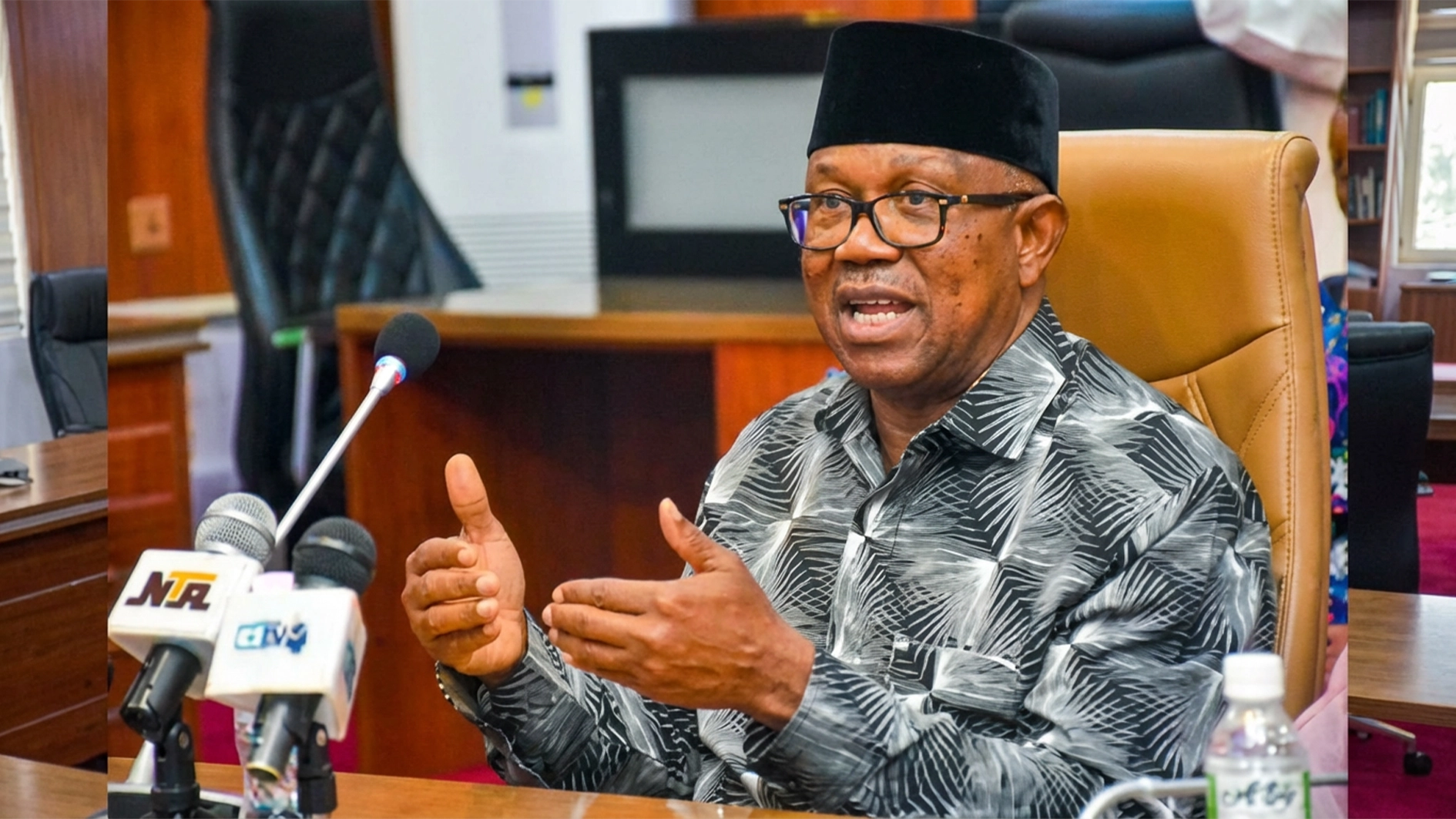
Former presidential candidate and chieftain of the African Democratic Congress (ADC), Peter Obi, has urged the federal and state government to act promptly in securing the release of the 177 worshippers abducted from churches in Kurmin Wali, Kajuru Local Government Area (LGA), Kaduna State, over the weekend.
The incident, which was initially denied by the police and other state officials, has drawn domestic and international attention and stressed the ongoing security challenges across Nigeria.
In a statement on X, Obi questioned early denials of the attack and the threats made against those reporting it.
“Since it has now been confirmed that over 150 worshippers were kidnapped from churches in Kaduna, where and how did those who denied the incident initially get their information? And since those who deny threatened to punish the people said to be spreading falsehood, who now face the punishment?” he asked.
Obi described leadership as requiring visible presence and decisive action when lives are at risk.
“We must act now to ensure that all victims are released safely and unharmed, and to continue confronting decisively this persistent crisis of insecurity in our nation,” he said.

Eyewitness reports and investigations by Christian Solidarity Worldwide Nigeria, TruthNigeria, and local sources had indicated that the raid occurred during Sunday services at ECWA Church and two Cherubim and Seraphim churches. The assailants, reportedly Fulani militia armed with rifles, split into groups and forced worshippers into the surrounding forest. Several elderly villagers and children were injured during the abduction.
The Guardian reports that 11 captives later escaped, leaving 166 still in captivity.
Among the abducted were entire households, including families of up to 13 members. The victims’ ages range from six to 71 years. Survivors described being marched into the forest, while others were assaulted for failing to keep pace.
The abduction followed an earlier incident in Kujama, Southern Kaduna, where three persons, including a nursing mother, were taken by gunmen who demanded a total ransom of N150 million. Families said they were warned not to report the abductions to authorities.
Despite evidence and multiple eyewitness accounts, the Kaduna State government, local authorities, and the Nigeria Police Force (NPF) initially denied the mass abduction. Police spokesperson Benjamin Hundeyin later stated that the original statement had been “widely misinterpreted” and confirmed that operational checks and intelligence sources verified the kidnapping. The Inspector-General of Police, Kayode Egbetokun, has deployed units to Kajuru and surrounding communities for search-and-rescue operations.
Religious leaders have criticised the delays in official recognition. The Chairman of the Christian Association of Nigeria (CAN) in the 19 northern states and the Federal Capital Territory (FCT), Joseph Hayab, said: “The moment the incident happened, security agencies were informed. That denial was the most unfortunate statement.” He called on authorities to prioritise rescue and restore public confidence.
International reactions have included concern from US Congressman Riley Moore and calls for accountability from Amnesty International, which criticised the initial denials by the Kaduna State government and Nigerian police.
Obi described the abductions as “unacceptable” and part of a recurring pattern across the country. “Even with official denials, we must ask ourselves hard questions. Can we continue waking up to news of mass abductions, disputed figures, and denials while citizens live in fear?” he said, urging authorities to demonstrate that “every Nigerian life matters.”
The incident adds to a series of kidnappings for ransom across Nigeria, including the November seizure of over 300 students and teachers from a Catholic school in Niger State. Security experts have cited poor intelligence sharing, underfunded policing, and corruption as factors hampering effective responses.
Obi stressed that ending the cycle of insecurity requires visible leadership, prompt action, and clear communication.

