 Follow Us on Google News
 Follow Us on Google Discover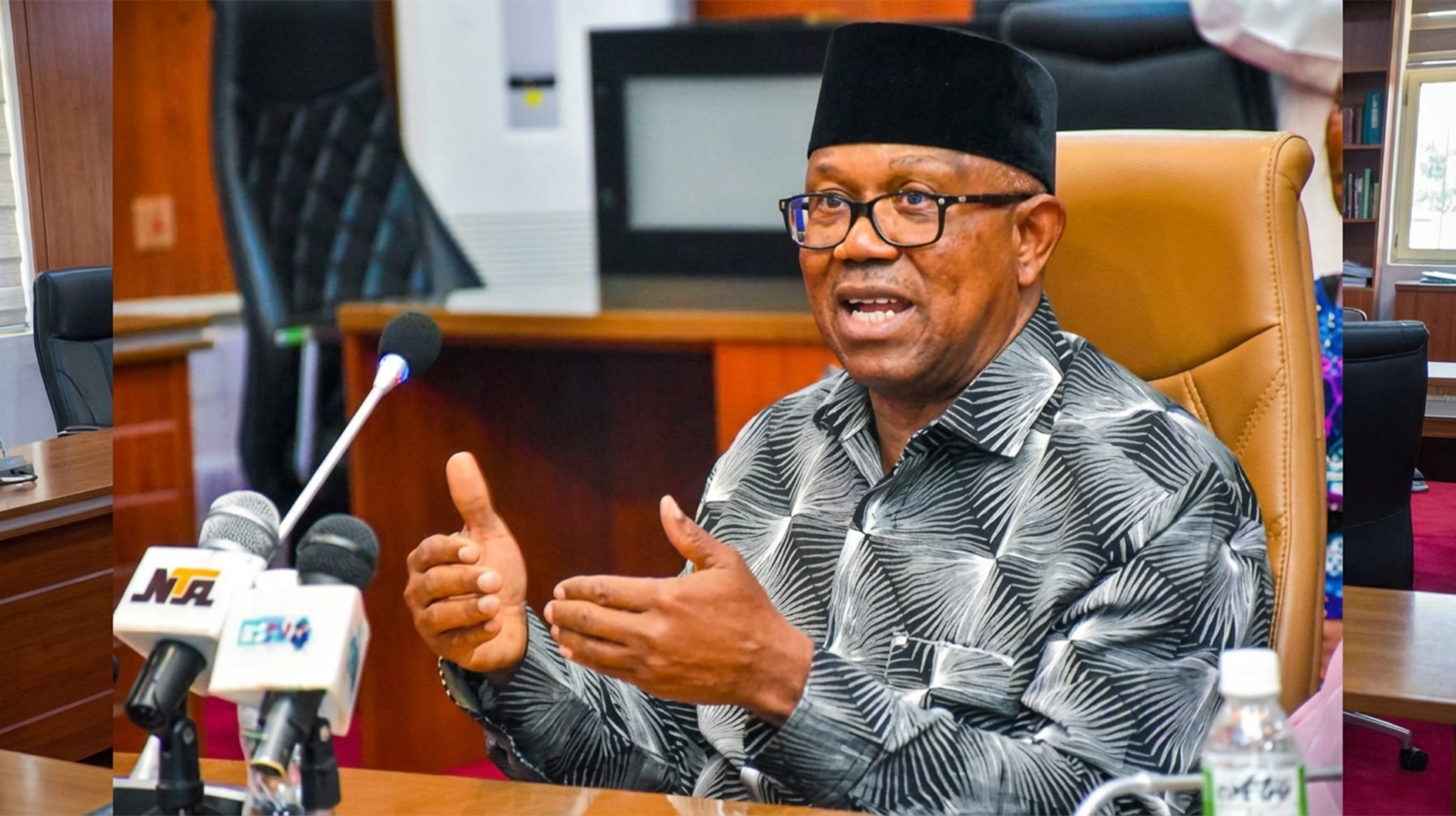
The presidential candidate of the Nigeria Democratic Congress (NDC) for the 2027 election, Peter Obi, has reignited conversations about Africa’s development challenges after telling members of the European Parliament that the continent’s greatest obstacle is poor leadership rather than a lack of resources.
In a speech that has generated widespread reactions across social media platforms, Obi described Africa as a continent richly blessed with natural resources, strategic economic importance and one of the youngest populations in the world, yet struggling to translate those advantages into broad-based prosperity.
Addressing European lawmakers, Obi argued that Africa possesses the human and economic potential required for transformation but continues to lag because governance has failed to match the continent’s opportunities.
He pointed to Nigeria as a major example, noting that with an estimated population of about 240 million people, the country represents one of the world’s largest consumer markets and labour forces.
According to him, a properly governed Nigeria could emerge as a major economic growth engine not only for Africa but also for Europe through stronger trade, manufacturing, investment and security partnerships.
Obi maintained that supporting accountable leadership and productive governance in Nigeria would create opportunities for deeper economic cooperation between Africa and Europe while helping to address challenges linked to insecurity, migration pressures and economic instability.

He further argued that many of the continent’s recurring problems could be significantly reduced through sustained investments in good governance, institutional reforms and responsible leadership.
The seven-minute address has since sparked mixed reactions online and within political circles.
Supporters described the speech as a bold and timely reminder that Africa’s future depends largely on the quality of leadership and the strength of public institutions.
Many also noted that Obi’s remarks align with his long-standing advocacy for governance reforms, fiscal discipline and investment in productive sectors of the economy.
Critics, however, argued that the comments echoed familiar political rhetoric and questioned whether such ideas could be translated into practical and measurable outcomes.
Despite the differing views, Obi’s intervention has once again pushed discussions beyond partisan politics to broader debates about governance, accountability and Africa’s place in the global economy.
As political activities gradually build ahead of the 2027 general elections, the speech is expected to further fuel conversations about leadership and the direction of Nigeria’s future.

