 Follow Us on Google News
 Follow Us on Google Discover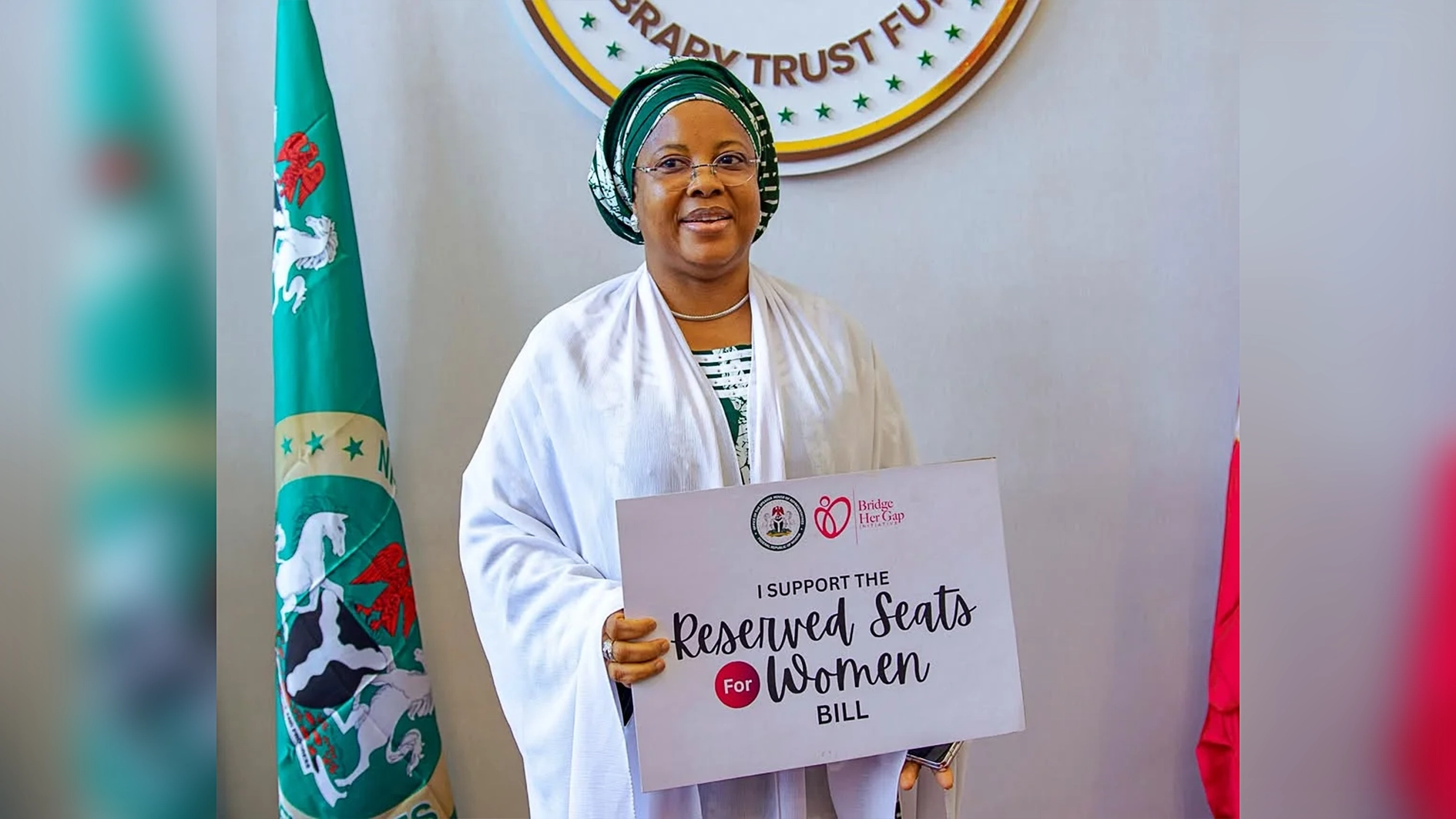
As Nigeria inches closer to the 2027 general elections, leading policymakers, civil society actors, and political stakeholders have renewed calls for urgent, coordinated action to address the persistent underrepresentation of women in governance.
This formed the crux of a high-level strategy meeting convened by the Policy and Legal Advocacy Centre (PLAC), the Nigerian Bar Association, Section on Public Interest and Development Law, and the Nigerian Women Trust Fund, with support from the European Union.
With the theme “Advancing Women’s Political Leadership: Strengthening Pathways to Inclusive Representation in 2027,” the meeting spotlighted three key issues: the status of the Special Seats Bill, internal party reforms, and strategies to boost women’s participation in the next electoral cycle.
Chair of the House Committee on Women Affairs, Kafilat Ogbara, underscored the urgency of passing the Special Seats Bill, describing it as critical to correcting systemic exclusion.
“We just need to pass the bill. That’s where we are,” she said, noting that despite growing political will, delays within the National Assembly have stalled progress.
Ogbara stressed that women’s inclusion goes beyond optics, linking it directly to national development, stronger institutions, and responsive policymaking. She lamented that while women dominate political participation at grassroots levels, they remain largely excluded from decision-making tables.
She also called for strategic engagement with political parties and traditional institutions, warning that without internal reforms and deliberate enforcement of existing gender provisions, progress would remain slow.
Importantly, she urged support for women already in office, noting that retaining female legislators is a practical way to “reserve seats” even before the bill is passed.
Also speaking, the member representing Keffi/Karu/Kokona federal constituency Hon. Gaza Jonathan Gbefwi, highlighted a critical gap: the low number of women presenting themselves for elective positions.
“You cannot vote for someone who has not presented herself,” he said, pointing to a recent political meeting where only four out of about 40 aspirants were women.
While expressing optimism about the bill’s chances, given growing legislative backing, Gbefwi emphasized that women must actively seek office and support one another politically. He described women as a decisive voting bloc, noting their significant role in electoral victories, yet questioned why this influence has not translated into leadership positions.
In his opening remarks, the Executive Director of the Policy and Legal Advocacy Center (PLAC), Mr. Clement Nwankwo, painted a stark picture of women’s political representation in Nigeria, describing it as “embarrassing.”
He cited figures showing only four female senators out of 109 and about 15 women in the 360-member House of Representatives, with nearly 15 states lacking any female lawmakers.
Nwankwo warned that failure to pass the Special Seats Bill would represent a major setback in Nigeria’s constitutional reform efforts, urging both the National Assembly and state legislatures to act decisively.
He also raised concerns about party practices such as “unity lists,” cautioning that male-dominated decision-making processes could further sideline women unless deliberate balancing measures are adopted.

