 Follow Us on Google News


 Follow Us on Google Discover
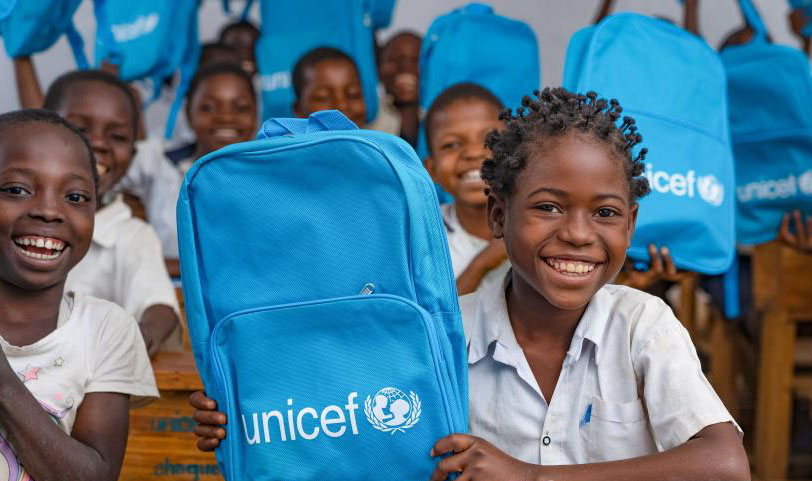
The economic crunch, which has pushed many households to multidimensional poverty, coupled with insecurity, natural disasters and lack of social amenities, has increased the number of child poverty in Nigeria, particularly in the North East.
[ad]
According to the United Nations Children’s Fund (UNICEF), innocent children, who form a larger percentage of the country’s population, bear the brunt of multiple consequences of poverty.
Speaking in Gombe, yesterday, at a stakeholders’ dialogue organised by the Bauchi Field Office on Child Poverty in Adamawa, Bauchi and Gombe states, a social policy expert, Dr. Auta Yusuf, said “child poverty is on the increase.”
[ad]
Yusuf said children experience both monetary and non-monetary aspects of poverty.
He cited 2021 data by the National Bureau of Statistics (NBS) that was published in 2023, which showed that 86.1 per cent of children in Bauchi, 82 per cent in Gombe and 68.8 per cent in Adamawa states are poor.
The social policy expert noted major contributors to child poverty as corruption, unemployment, violence, insurgency and inadequate investment in the social sector.
Explaining that parental poverty and government policies have adverse effects on the lives of children, he added: “It is not the fault of a child that he is homeless, that there is no basic healthcare services, malnutrition, water and other basic amenities. All these things cannot be blamed on the child; it is either the fault of his parents or the inaction of the government authorities or even both.”
Government officials from Adamawa, Bauchi and Gombe and development experts attended the dialogue organised for journalists in the states.
[ad]

