 Follow Us on Google News


 Follow Us on Google Discover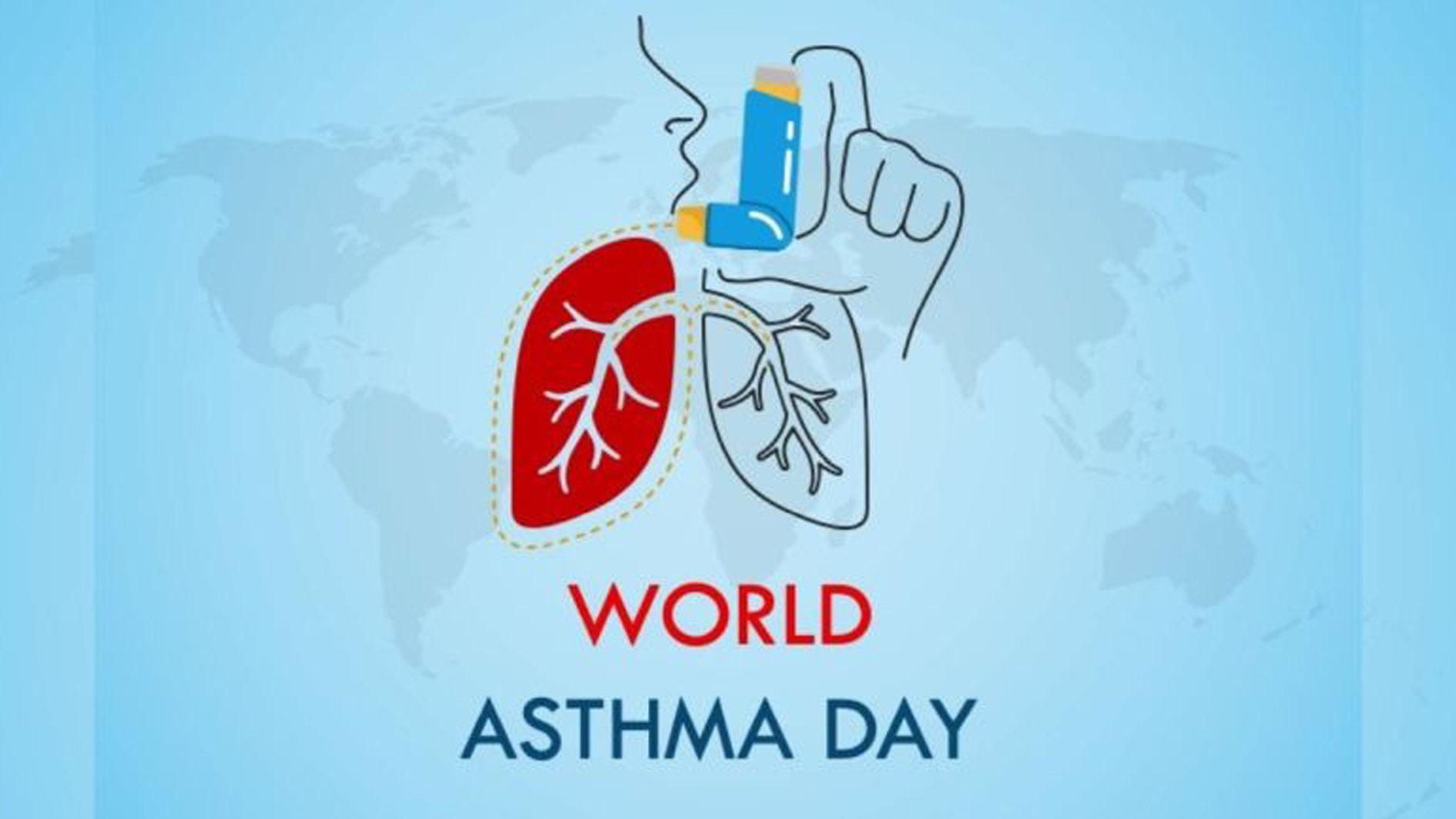
• Beclomethasone now N93,600, higher than minimum wage
• Lagos study finds 14.8 per cent prevalence among schoolchildren, 80 per cent undiagnosed
• Specialists caution inhaler misuse as patients resort to cheap relievers
• Experts link rising asthma cases to everyday pollution exposure
As the world commemorates Asthma Day, stakeholders have expressed concerns over how poor diagnosis, rising cost of essential inhalers and worsening environmental pollution are compounding the asthma burden in Nigeria, where an estimated 13 to 15 million adults are said to be living with the chronic respiratory disease.
Asthma, a non-communicable disease (NCD) that requires lifelong management, is a condition in which early and consistent use of preventive inhalers is critical to control inflammation and reduce life-threatening attacks. The Global Initiative for Asthma (GINA) has emphasised the use of combination inhalers that pair inhaled corticosteroids with long-acting bronchodilators (LABA/ICS) as a cornerstone of treatment across all categories of asthma.
However, a market survey by The Guardian revealed a scarcity of inhalers in pharmacies, alongside sharply rising prices that are pushing treatment beyond the reach of many patients. The survey showed that Beclomethasone 200mcg, which is an inhaled corticosteroid (ICS), now sells between N93,600 and N103,700, a figure higher than the national minimum wage. The drug is typically taken as one or two puffs twice daily, depending on severity, and is sometimes combined with other therapies.
Other long-acting preventive inhalers were also reported to be costly. Seretide, a combination inhaler containing a long-acting beta-agonist and inhaled corticosteroid (LABA/ICS), was priced between N13,500 and N15,000, while Fortide was sold at an average of about N10,000.
Short-acting relieving inhalers used during acute asthma attacks were also found to be increasingly expensive. Ventolin was priced between N8,000 and N12,000, while Aeroline sold at about N6,300.

The burden is further worsened by a wide diagnosis gap. A recent study among schoolchildren aged 12 to 14 in Lagos showed that 14.8 per cent had asthma out of 11,000 screened, an increase from 10.8 to 13 per cent recorded in a similar age group in Ibadan in a study conducted about one and a half decades ago. Alarmingly, about 80 per cent of children identified in the Lagos survey had never previously been diagnosed, despite exhibiting significant symptoms.
Experts explained that while genetic predisposition can increase susceptibility to asthma, environmental factors such as air pollution often determine whether the disease develops or worsens.
Global data from the World Health Organisation (WHO) indicate that outdoor air pollution, driven by fossil fuel-based energy production, waste burning, transport, industrial activities, residential energy use and agricultural burning, causes an estimated 4.2 million premature deaths annually. Household air pollution alone was also responsible for about 2.9 million deaths in 2021, including over 309,000 deaths among children under five.
In Nigeria, cities such as Lagos and Port Harcourt continue to record particulate matter (PM2.5) levels above safe limits. Data from IQAir estimates Nigeria’s annual average at about 23.4 µg/m³, which is roughly 4.7 times higher than the WHO’s recommended guideline.
Against this backdrop, World Asthma Day, observed every May under the coordination of GINA, has continued to draw attention to gaps in care. The 2026 theme, “Access to anti-inflammatory inhalers for everyone with asthma – still an urgent need,” underscored the importance of ensuring the availability and affordability of inhaled anti-inflammatory medicines to treat underlying airway inflammation and prevent asthma attacks.
Asthma is a chronic inflammatory condition of the airways in which persistent inflammation causes swelling of the lining of the respiratory tract, narrowing of the breathing tubes and contraction of the muscles surrounding them. Affected persons commonly experience chest tightness, wheezing and a whistling sound during breathing.
The past President of the Nigerian Thoracic Society (NTS) and a founding father of the Pan African Thoracic Society (PATS), Professor Gregory Erhabor, said that asthma-related deaths in Nigeria are largely preventable, attributing them to persistent gaps in diagnosis, access to essential inhalers, and continuity of care.
Speaking to The Guardian, Erhabor said the situation reflects systemic weaknesses in the country’s respiratory healthcare delivery, warning that without urgent intervention, cases are likely to rise.
Erhabor also said adult-onset asthma is being increasingly recognised in Nigeria, a trend he attributed partly to improved awareness and diagnosis, but more significantly to rising exposure to environmental risks.
The professor explained that asthma is influenced by both genetic predisposition and environmental exposures, stressing that while some individuals are biologically more susceptible, environmental factors often determine whether the disease develops or becomes severe. He added that although asthma cannot always be fully prevented, risks can be significantly reduced through cleaner air, improved housing, and early preventive treatment, particularly for high-risk individuals.
He also reviewed Nigeria’s progress nearly a decade after the Nigerian Thoracic Society’s asthma guideline was introduced, noting improvements in specialist training, research output, patient education seminars, and professional collaboration through the Pan-African Thoracic Society.
However, Erhabor said most primary healthcare centres remain under-equipped, limiting the practical implementation of guideline-based care. He stressed that without essential diagnostic tools, affordable medicines, and trained personnel, the impact of existing guidelines remains constrained.
He called for stronger investment in primary and tertiary healthcare facilities, improved affordability of preventive inhalers, increased funding for research, enhanced training for healthcare workers, and a national system for tracking asthma outcomes.
Similarly, Consultant Chest Physician at the Obafemi Awolowo University Teaching Hospital, Dr Feyisara Kehinde, raised concerns over inhaler misuse, noting that many patients rely heavily on reliever inhalers due to cost and familiarity, rather than preventive treatments. She warned that this practice does not address underlying inflammation and can lead to worsening attacks.
She explained that newer guideline-based approaches, including recommendations from the GINA, now emphasise early use of combination preventive inhalers containing inhaled corticosteroids and long-acting bronchodilators. Kehinde added that many specialists now prioritise patient education and structured asthma action plans to improve self-management, helping patients recognise early symptoms and avoid triggers.
While noting that asthma care is covered under the National Health Insurance Authority (NHIA), she said coverage remains inadequate in practice, particularly for essential preventive medications.
A professor of medicine and pulmonologist, Professor Olufunke Adeyeye, warned that asthma remains widely underdiagnosed in Nigeria despite its growing prevalence and significant impact on public health, household finances and productivity.
She described asthma as the most common chronic condition among young children, although it also affects adults. According to her, the disease can disrupt schooling, work and daily activities, while repeated hospital visits can place economic pressure on families.
The professor said one of the major challenges is that asthma remains poorly diagnosed. She noted that many patients live with symptoms for years without being told they have asthma, adding that persistent coughing, especially in the evenings or early mornings, chest tightness and noisy breathing should prompt suspicion of the disease.
She explained that asthma results from the interplay of genetic and environmental factors. According to her, some forms run in families, where relatives may have asthma or other atopic conditions such as allergic rhinitis, conjunctivitis and allergic skin rashes.
She added that environmental exposures, including air pollution, occupational hazards and obesity, have also been linked to increasing asthma prevalence.
Adeyeye said this year’s World Asthma Day theme stressed that access to anti-inflammatory inhalers for everyone with asthma remains an urgent need.
She explained that many patients were being treated with cough syrups and tablets rather than anti-inflammatory inhalers, which she described as the mainstay of asthma management.
She added that limited availability has worsened as some pharmaceutical companies that previously supplied inhalers to Nigeria have exited the market amid economic pressures. She observed that some inhalers can cost as much as N40,000, while others exceed N100,000 depending on whether they are locally manufactured or imported. According to her, patient feedback consistently points to cost and non-availability as major barriers to treatment.
Adeyeye explained that inhaled corticosteroids remain the basic anti-inflammatory medicines prescribed for asthma but noted that as disease severity increases or where there is poor control, trigger exposure or other co-existing conditions, patients may require additional or more expensive medicines.
On long-term management, the professor said asthma is a lifelong condition. She explained that even when patients do not have symptoms, inflammation may still be present in the airways. She stressed that the absence of cough, breathlessness or chest tightness should not be mistaken for the absence of disease.
According to her, anti-inflammatory medication should therefore be continued even when symptoms are controlled. She warned that untreated inflammation can lead to airway remodelling, fibrosis and chronic lung damage that may become more difficult to manage.
She urged government, communities and families to work together to reduce exposure. According to her, cleaner school environments, control of open waste burning, reduction of indoor pollution from lanterns and cooking fuels, and improved awareness would help reduce the burden of asthma.
Environmental health expert and advocate, Francis Nwapa, warned that worsening air pollution in Nigeria is a major driver of the rising burden of asthma cases, especially among children, as he called for stronger enforcement of environmental regulations and urgent policy reforms.
Nwapa told The Guardian that Nigeria’s environment is “significantly polluted,” particularly in major urban centres such as Lagos and Port Harcourt, where levels of fine particulate matter (PM2.5) consistently exceed safe limits.
According to him, the situation is no longer a background environmental concern but a direct public health threat. He explained that from an environmental health perspective, air pollution has become a major driver of asthma in the country.
Nwapa identified fine particulate matter (PM2.5), vehicle emissions, generator fumes, and smoke from open burning as the most dangerous pollutants responsible for asthma attacks in Nigeria. He said these exposures are now part of everyday life for many Nigerians, noting that “when people talk about asthma triggers here, we are really talking about everyday exposures built into our environment.”
Nwapa, while acknowledging Nigerian institutions such as the National Environmental Standards and Regulations Enforcement Agency (NESREA) and state environmental health protection agencies, said enforcement remains a major challenge.
He explained that weak implementation, inadequate air quality monitoring systems, and poor control of pollution sources such as generators and open burning have limited the impact of existing policies.
Nwapa also advised parents on practical steps to reduce children’s exposure to polluted air. He urged families to limit outdoor activities during periods of heavy traffic or poor air quality, reduce exposure to generator fumes, avoid indoor smoke from cooking or burning, and ensure proper ventilation while being mindful of outdoor pollution levels.
The advocate recommended investment in clean energy and stable electricity to reduce dependence on generators, stricter vehicle emission controls, improved urban transport systems, an end to open waste dumping and burning practices, and the establishment of a robust national air quality monitoring network.

