 Follow Us on Google News
 Follow Us on Google Discover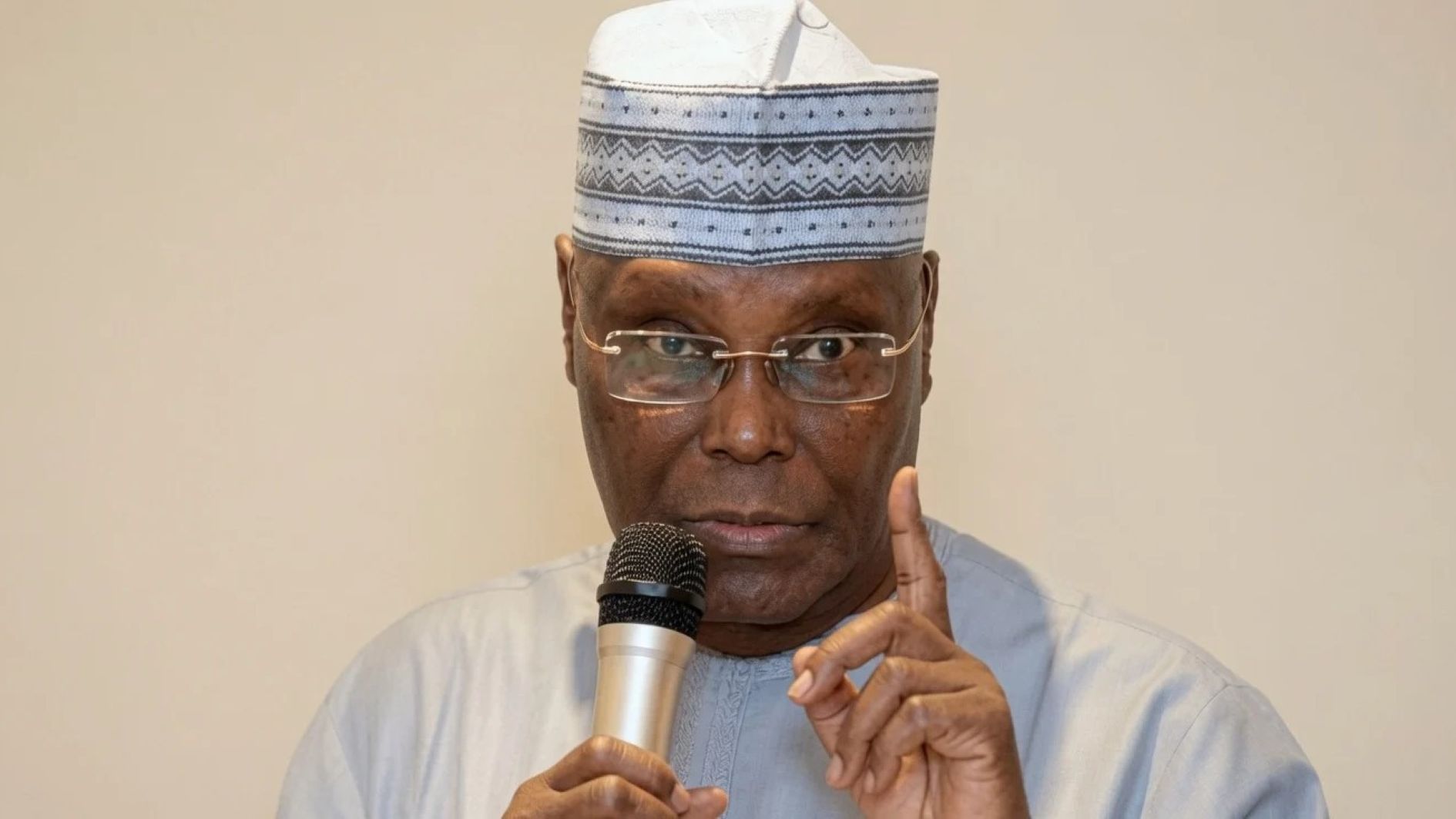
The Presidency has accused former Vice President Atiku Abubakar of playing politics with Nigeria’s economy through his renewed call for the restoration of petrol subsidy, describing the position as a sharp reversal of the economic stance he adopted during the 2023 presidential campaign.
The Presidency said Atiku’s latest position amounted to political opportunism aimed at exploiting the economic difficulties confronting Nigerians for electoral advantage, rather than offering a sustainable alternative to the government’s ongoing reforms.
The Special Adviser to the President on Media and Public Communications, Sunday Dare, who made the position known in a statement, recalled that Atiku had previously advocated the removal of petrol subsidy, arguing that the regime was unsustainable, opaque and susceptible to corruption.
Dare said it was therefore contradictory for the former vice president to now campaign for the restoration of the same subsidy regime ahead of another election cycle.
He said Atiku’s policy reversal exposed what he described as a desperate attempt to turn the hardship associated with economic reforms into political capital.
According to Dare, “Atiku’s vacillation stands as a monument to a fading presidential ambition gone completely awry, exposing a man willing to burn down national economic stability for a fleeting headline.”

The Presidency maintained that while the removal of subsidy had imposed short-term adjustment pressures on households and businesses, the reform had also freed substantial resources for allocation to the three tiers of government and created room for investment in productive sectors.
Dare said the reform had further contributed to the emergence and expansion of domestic refining capacity, reducing Nigeria’s vulnerability to fluctuations in the international petroleum market and the foreign exchange pressures associated with dependence on imported refined products.
He argued that returning to the old subsidy regime would reverse those gains and reopen avenues for the rent-seeking and leakages that characterised the former system.
“The old import subsidy regime was not merely a pricing mechanism; it was a black hole of rent-seeking, round-tripping and monumental corruption that starved health, education and infrastructure of vital capital,” Dare said.
He warned that restoring the subsidy could undermine investor confidence in the downstream petroleum sector, weaken the development of local refining capacity and place renewed pressure on the nation’s foreign exchange position.
Dare also accused Atiku of abandoning the long-term economic principles he previously espoused in favour of what he described as populist messaging designed to resonate with citizens facing rising living costs.
He said responsible leadership required defending difficult but necessary reforms while addressing their social consequences, rather than promising to reverse them for political gain.
“True leadership requires the courage to defend difficult, foundational reforms even when the political weather is rough, rather than pandering to populist illusions for ballot-box validation,” he said.
The Presidency urged Nigerians to scrutinise competing economic proposals ahead of the next electoral cycle, particularly those involving policies with significant implications for public finances and economic stability.
Dare said the Tinubu administration remained committed to reforms designed to reduce fiscal leakages, strengthen domestic production, expand government revenue and create a more sustainable foundation for economic growth.
He maintained that the administration would not be distracted by what he described as politically motivated attempts to reverse reforms undertaken to address longstanding structural weaknesses in the economy.
The Presidency therefore challenged Atiku and other political actors advocating a return to subsidy to explain how such a policy would be financed sustainably without recreating the fiscal and governance problems associated with the previous regime.
Dare said Nigerians deserved policy consistency and credible alternatives rather than what he described as electoral promises driven by the desire to exploit temporary economic pain.
“Atiku’s subsidy U-turn is not a coherent economic alternative; it is politics being played with the Nigerian economy,” the Presidency said.

