 Follow Us on Google News


 Follow Us on Google Discover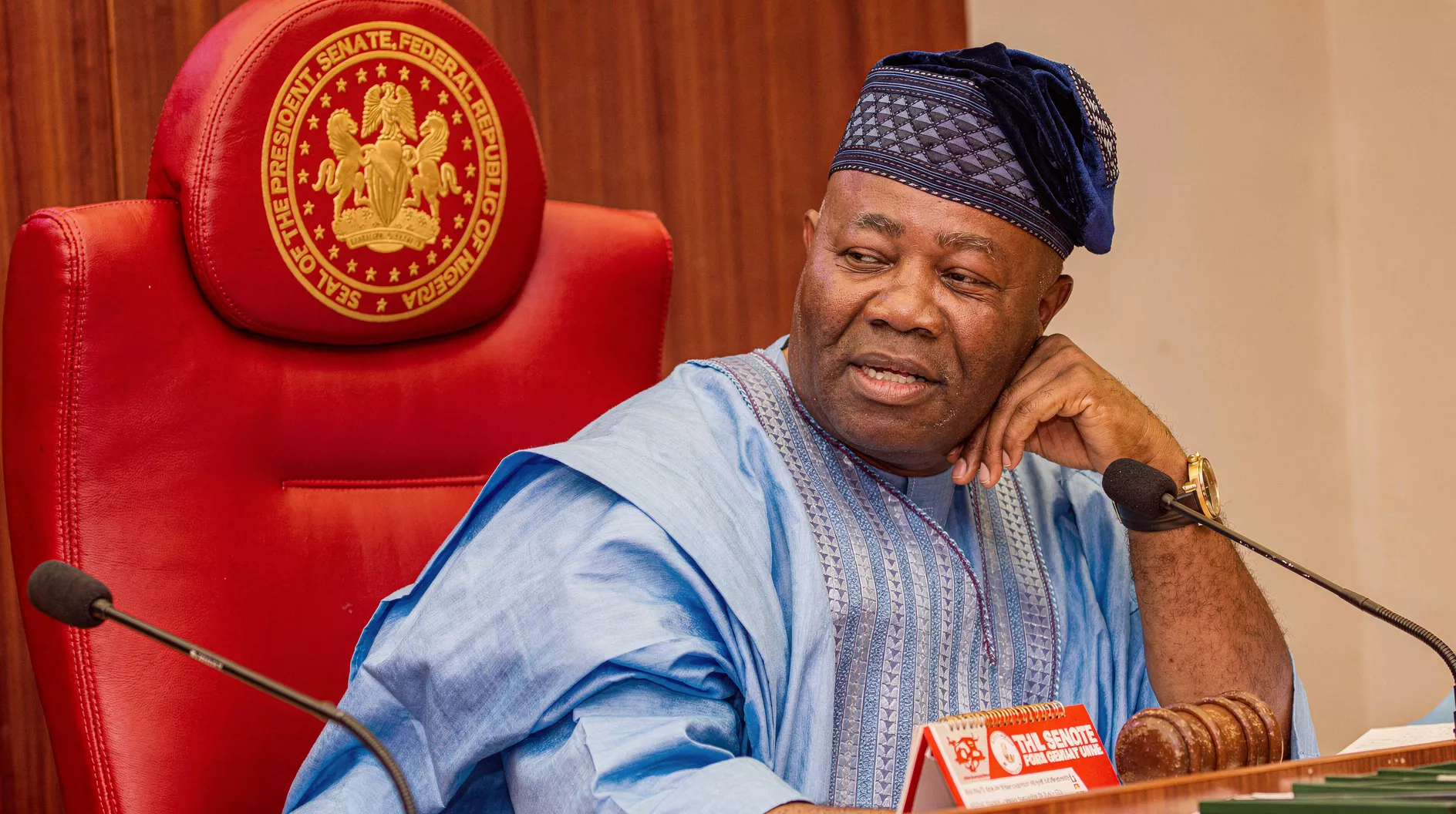
Senate President Godswill Akpabio on Tuesday hinted at efforts to secure favourable outcomes for serving senators in ongoing party nomination processes, saying lawmakers had been “promised very few disappointments” and that the Senate leadership was working hard towards achieving that objective.
How that promise would be achieved is yet to be seen.
His address also welcome senators back from the three weeks recess and the sallah break.
The remark came as he congratulated political parties that recently concluded their primaries and candidates who emerged with tickets for the next election.
But beneath the routine welcome address delivered at the resumption of plenary was a politically loaded message aimed at a chamber rattled by bruising primary battles, surprise defeats and growing anxiety over the political future of several senators.
At a time when a number of serving lawmakers have either lost their party tickets, are battling disputes arising from controversial primaries, or are weighing their next political options, Akpabio’s comments appeared carefully crafted to calm nerves and reassure colleagues that all hope was not lost.

“I know that there will always be victories and disappointments,” the Senate President told lawmakers.
Then came the statement that immediately caught attention across the chamber:
“And in this Senate, we are promised that we will have very few disappointments. And I do know that the Senate Leader and the leadership of the Senate is working very hard towards that.”
The comment drew interest because it suggested that efforts may be ongoing behind the scenes to address the political setbacks suffered by some senators during the recently concluded primaries.
While Akpabio did not elaborate on what form those efforts might take, the statement has fuelled speculation about possible political negotiations, reconciliations, substitutions, appointments, defections or other arrangements that could accommodate affected lawmakers ahead of the next election cycle.
His remarks came shortly after he jokingly warned one senator not to be lured into another political party, a comment that underscored growing concerns about potential defections following contentious primary contests across the country.
The atmosphere in the Senate has been anything but calm in recent weeks.
Several lawmakers entered the primary season expecting smooth rides to renomination only to find themselves confronting fierce internal opposition, shifting alliances and unexpected outcomes. In some cases, political godfathers and governors asserted their influence over candidate selection processes, leaving some federal lawmakers politically stranded.
Against that backdrop, Akpabio’s assurance that the Senate leadership was working to ensure “very few disappointments” was widely interpreted as an attempt to boost morale among affected senators and signal that the institution was not indifferent to their political predicaments.
The Senate President, however, framed the issue within the broader context of democratic competition.
Congratulating those who secured their party mandates, he acknowledged that every electoral process naturally produces winners and losers but argued that the ultimate winner should be democracy itself.
Yet it was his unusual promise of “very few disappointments” that dominated conversations long after the formal proceedings moved to other national matters.
Beyond the politics, Akpabio used his address to focus on the worsening security situation in the country, particularly the abduction of schoolchildren and teachers in Oyo State.
Describing the incident as “an assault on our collective humanity,” he said the inability to protect children threatens Nigeria’s future and warned politicians against exploiting national tragedies for partisan gain.
“There is always a temptation to divide, to accuse and to seek advantage from tragedy,” he said.
He insisted that terrorists and kidnappers do not distinguish between political parties, ethnic groups or religions and called for a united national response against insecurity.
Akpabio also urged the Senate leadership to fast-track plans for a proposed security summit aimed at generating legislative recommendations to strengthen ongoing efforts by security agencies.
However, it was the politics of survival—not the security summit—that appeared to resonate most strongly within the chamber.
For senators nursing wounds from bitter primary contests, Akpabio’s message sounded less like a routine welcome address and more like an assurance that political doors remain open.
Whether that promise translates into concrete outcomes remains to be seen.
But for now, the Senate President appears determined to convince his colleagues that despite the shocks and casualties of the primary season, the final chapter of their political journeys may not yet have been written.

