 Follow Us on Google News
 Follow Us on Google Discover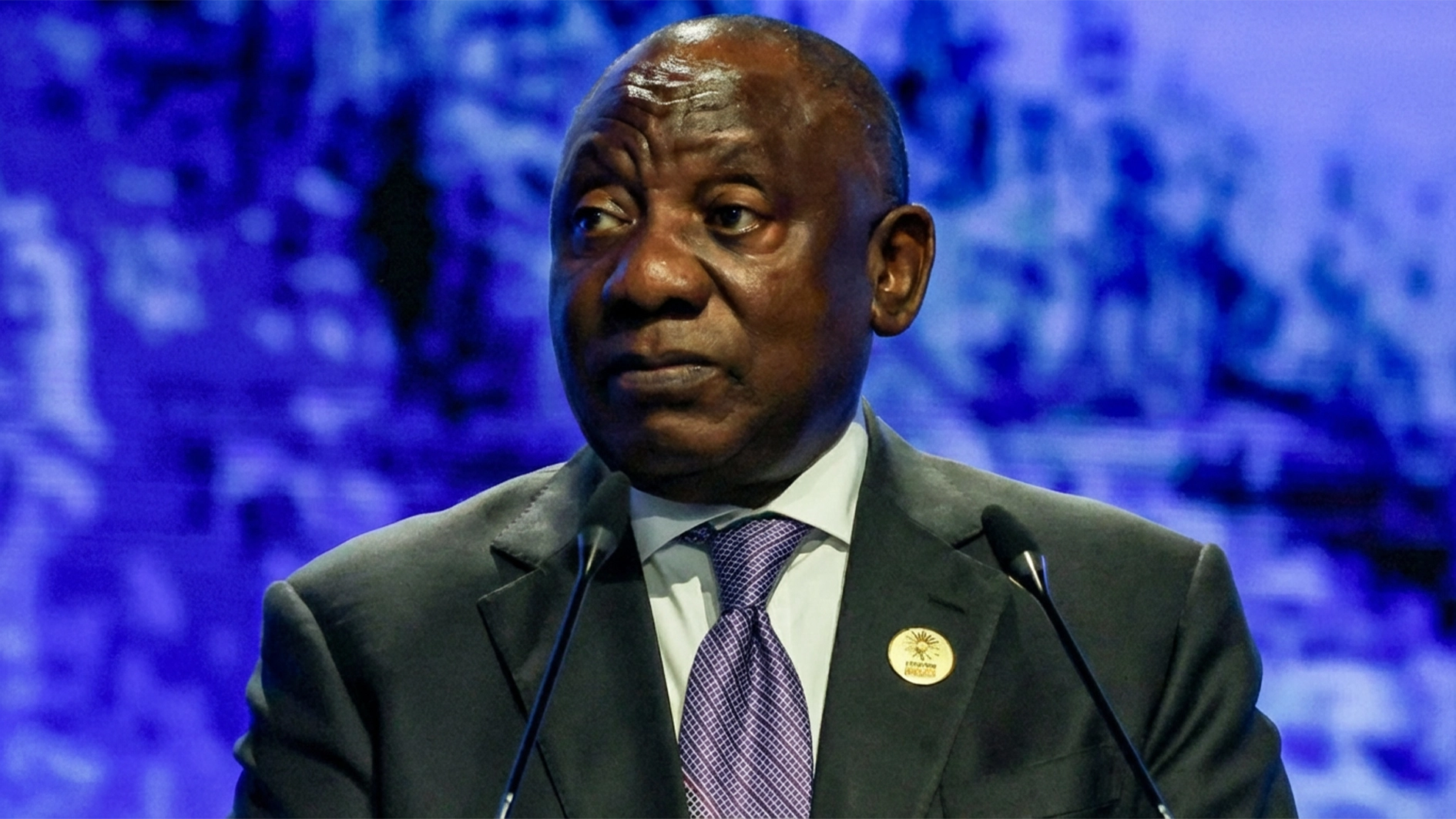
President Cyril Ramaphosa on Sunday outlined South Africa’s comprehensive strategy for addressing illegal migration, balancing tougher enforcement measures with a firm rejection of xenophobia and vigilantism amid growing public concern over the issue.
In a national address delivered at 18:00, Ramaphosa acknowledged widespread frustrations among South Africans regarding the impact of illegal immigration on jobs, public services, security, and the rule of law. He said concerns raised in communities, workplaces, schools, clinics, and across social media platforms were legitimate and deserved a meaningful response from government.
The President, however, cautioned against portraying illegal migration as the sole cause of the country’s socio-economic challenges. He pointed to persistently high unemployment, particularly among young people, as well as poverty and sluggish economic growth as deeper structural issues requiring urgent attention.
According to Ramaphosa, the long-term solution lies in accelerating economic growth through increased investment, industrial expansion, infrastructure development, and job creation. He also noted that migration remains a global phenomenon and reminded citizens that South Africa’s history has been shaped by movement, diversity, and regional integration.
While reaffirming South Africa’s commitment to human rights and international obligations toward those seeking protection, the President stressed that every individual residing in the country must do so legally and in compliance with national laws.
He emphasized that law enforcement remains the exclusive responsibility of the state, warning against acts of vigilantism, street confrontations, and attacks targeting foreign nationals. Ramaphosa condemned xenophobia, racism, Afrophobia, and all forms of intolerance, cautioning that criminal groups and political actors could exploit public frustrations for their own interests.
The President also expressed concern over misinformation circulating on social media, noting that anti-foreigner sentiment has at times resulted in attacks against fellow South Africans.
Addressing the challenges associated with illegal migration, Ramaphosa said undocumented migration places pressure on public services and poses security concerns.
He highlighted links between illegal migration networks and organised criminal activities, including human trafficking, drug trafficking, and illegal mining operations.
He further noted that the exploitation of undocumented workers undermines job creation and labour standards, with some employers paying wages below legal requirements and operating outside labour regulations. Concerns were also raised about the impact of some foreign-owned informal businesses on local economic participation.
To tackle these challenges, Ramaphosa announced the implementation of a newly adopted Comprehensive Approach to Migration Management approved by Cabinet.
The strategy includes intensified efforts to identify and deport undocumented foreign nationals, the establishment of dedicated immigration courts, increased workplace inspections, and the recruitment of 10,000 additional labour inspectors. Employers found exploiting undocumented workers could face tougher sanctions, including imprisonment.
Government will also strengthen border security through greater investment in technology, infrastructure, and personnel. As part of broader reforms, refugee reception centres will gradually be relocated closer to border areas, beginning with Tshwane, while asylum processing systems will be streamlined to improve efficiency.
Ramaphosa also pledged to intensify the fight against corruption within the Department of Home Affairs. Measures include pursuing corrupt officials, introducing an Intelligent Population Register, implementing a Digital Identity system, phasing out green barcoded identity books, and tightening regulations governing Traffic Registration Numbers.
The President said government would review and strengthen migration-related legislation to close loopholes and address inconsistencies within the existing legal framework.
Beyond domestic measures, South Africa will continue engaging with African countries and regional institutions to address the broader drivers of migration and develop coordinated continental solutions.
Concluding his address, Ramaphosa reiterated that government’s objective is to ensure lawful entry into the country, effective enforcement of laws, fair economic competition, safer communities, and adherence to constitutional values.
He called on South Africans to remain united, respect the rule of law, and work together toward building a safer and more prosperous nation without turning against one another.

