 Follow Us on Google News


 Follow Us on Google Discover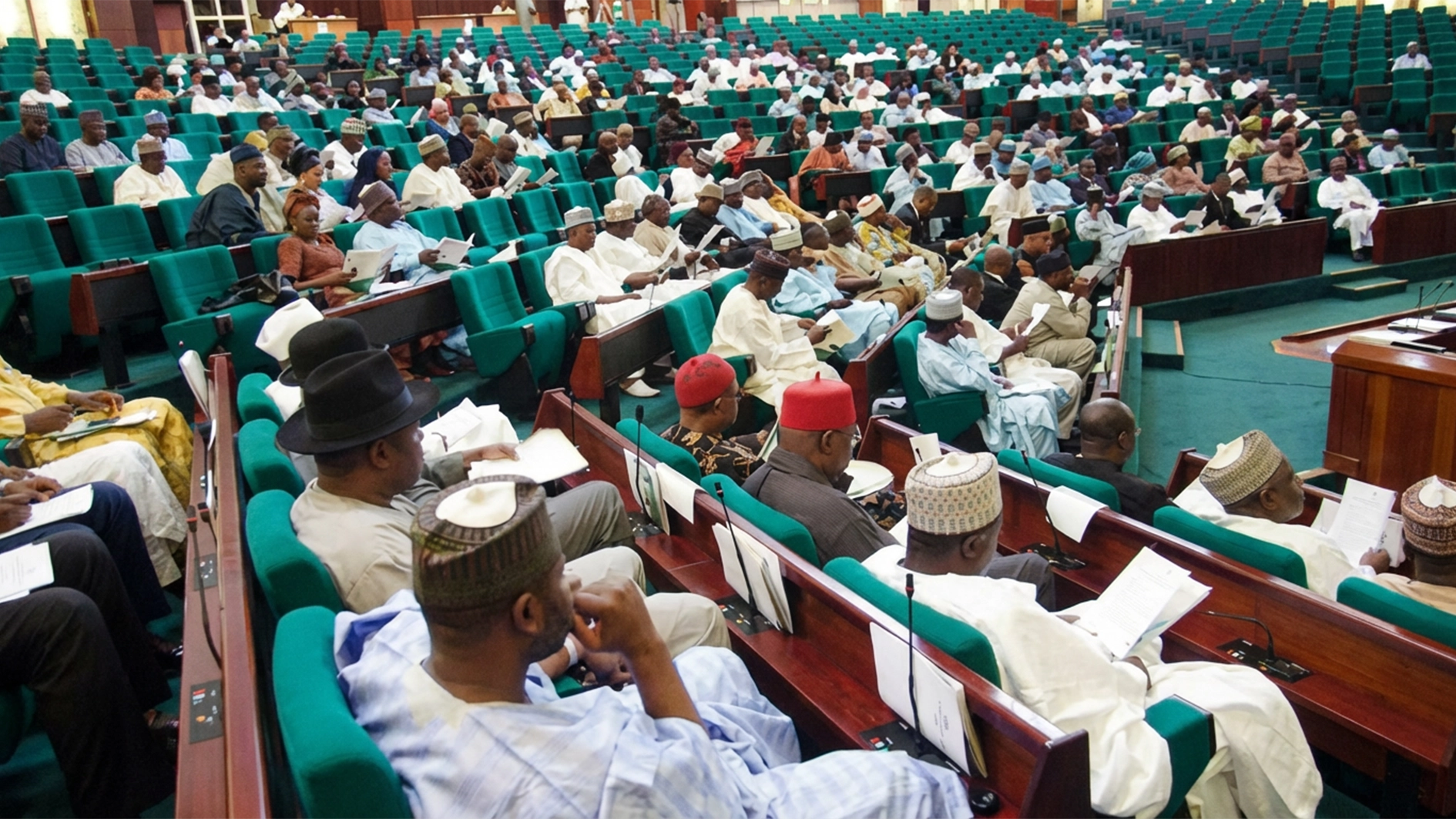
The House of Representatives and the Senate have commenced moves to reconcile differences in their respective versions of the Electoral Act (Amendment) Bill, following the constitution of a bipartisan Conference Committee by both chambers.
The development follows differences over key provisions of the proposed amendment, particularly Section 60(3), which deals with the electronic transmission of election results from polling units.
The Senate yesterday rejected a proposed amendment to Clause 60, Subsection 3, of the Electoral Amendment Bill 2026, that sought to make the electronic transmission of election results from polling units compulsory.
The Senate adopted the existing provision of the Electoral Act, 2022, which states that “the presiding officer shall transfer the results, including the total number of accredited voters and the results of the ballot, in a manner as prescribed by the Commission.
But the House, in its December 2025 amendment, made real-time electronic transmission of results to the INEC Result Viewing (IREV) portal mandatory.
The House version of Section 60(3) states that: “The Presiding Officer shall electronically transmit the results from each polling unit to the IREV portal in real time and such transmission shall be done after the prescribed Form EC8A have been signed and stamped by the Presiding Officer and/or counter-signed by the candidates or polling unit agents where available at the polling unit.”

In a correspondence dated February 4, 2026, the Clerk to the House of Representatives, Dr. Yahaya Danzaria, conveyed the directive of the House leadership naming members of its Conference Committee to interface with their Senate counterparts.
The House committee is chaired by Rep. Adebayo Balogun, with members including Fred Agbedi, Sada Soli, Ahmadu Jaha, Iduma Igariwey Enwo, Saidu Musa Abdullahi, and Dr. Zainab Gimba.
Spokesperson of the House, Akin Rotimi, in a statement on Thursday, said the constitution of the committee is in accordance with legislative procedure for harmonising differences between the versions of the Bill passed by both Chambers of the National Assembly.
He said the committee is “mandated to confer with its counterpart from the Senate with a view to harmonising the differing provisions of the Electoral Act (Amendment) Bill as passed by both Chambers, ahead of final passage by the National Assembly.”
Rotimi said the Green Chamber was committed to advancing electoral reforms that strengthen transparency, credibility, and public confidence in Nigeria’s democratic process.
Similarly, Senate President Godswill Akpabio had on Wednesday announced members of the Senate Conference Committee to work alongside the House in harmonising the bill.
Akpabio said the committee will be chaired by Senator Simon Bako Lalong.
Other members of the committee include senators Niyi Adegbonmire, Mohammed Tahir Monguno, Adamu Aliero, Orji Uzor Kalu, Abba Moro, Asuquo Ekpenyong, Aminu Abbas and Tokunbo Abiru.
The Conference Committee is expected to harmonise these areas of difference ahead of the bill’s final passage by the National Assembly, which will then be transmitted to the President for assent.

