 Follow Us on Google News


 Follow Us on Google Discover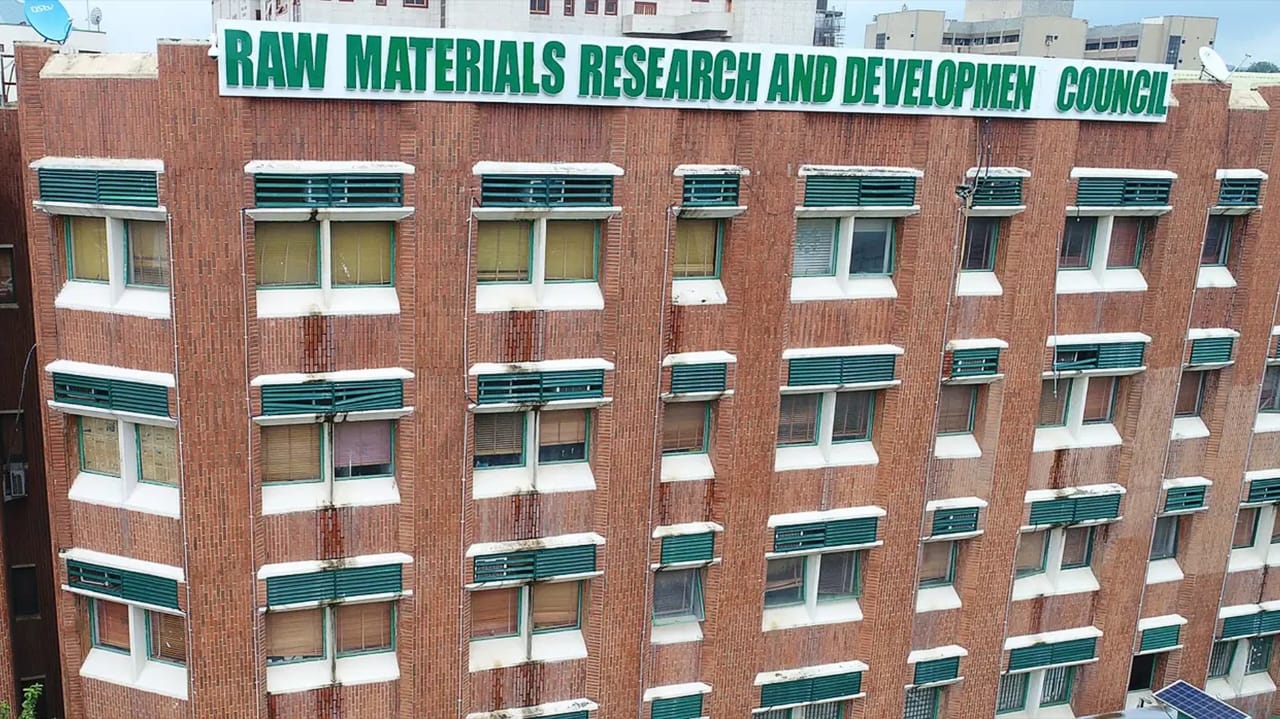
The Forum of Research Institutions Directors, on Tuesday, pledged to strengthen collaboration, advocate increased funding, and accelerate industrialisation through research across Nigeria, in a move aimed at repositioning scientific research as a key driver of national development.
The forum, which held its inaugural meeting in Abuja, brings together leaders and chief executives of research institutions across the country to foster collaboration, policy advocacy and shared innovation aimed at addressing challenges within Nigeria’s research ecosystem.
Speaking at the meeting, the Convener and Director-General of the Raw Materials Research and Development Council (RMRDC), Prof. Nnanyelugo Martin Ike-Muonso, said the forum would provide a unified platform for research institutions to engage government, industry players, and other stakeholders on issues affecting research and innovation in Nigeria.
According to him, the initiative is expected to strengthen collaboration among government institutions, industry operators, and research organisations while helping research institutes articulate a stronger common front in advancing Nigeria’s research and industrialisation agenda.
Ike-Muonso said: “We are hopeful that this forum will help research institutes articulate a clearer and stronger common front in pursuing the research and industrialisation agenda of this country. For many years, scientific research has been relegated to the background.”
The RMRDC DG noted that while the forum currently consists of public research institutions, there are plans to engage private-sector stakeholders in areas of mutual interest.

He added, “Essentially, that is why we have come together to begin addressing these concerns as a forum. At the moment, all public research institutions are involved. This is only the beginning, and we will continue reaching out to directors and leaders of public research institutions across the country.
“As we progress, we recognize that some of the challenges affecting public research institutions also impact the private sector. In areas where there are common interests, we can bring private-sector stakeholders on board to participate.”
He explained that a steering committee would determine the structure and operational framework of the forum, expressing optimism that increased investment in research would lead to improved products, greater innovation, and enhanced competitiveness for Nigeria in the global marketplace.
In remarks, the Executive Director and Chief Executive of the Institute of Agricultural Research and Training (IAR&T), Ibadan, Prof. Gabriel Akin Oluwatosin, described the forum as a strategic platform that would advocate for research institutions and facilitate the commercialisation of innovations developed by researchers.
He said the body would serve as a pressure group to engage government agencies and industrial hubs that utilise research outputs and technologies generated by research institutions.
According to him, the forum would help research institutes commercialise innovations, secure patents, and make research products available for public use, thereby benefiting both government and society.
Oluwatosin said: “This forum will serve as a pressure group to present our case to key stakeholders, including government and industrial hubs across the country. These stakeholders are the users of the products and technologies we develop.
“Our immediate priority is to ensure that the forum is firmly established. Once we have a strong foundation, a clear focus, and well-defined objectives, we can move forward effectively.”
He stressed the need to reposition research as a critical component of national development, noting that countries that have achieved significant economic and technological advancement did so through sustained investment in research and innovation.
He added, “A nation without research cannot progress. The advanced nations we see today attained their status through sustained investment in research and innovation.”
Also speaking, the Acting Executive Director of the Cocoa Research Institute of Nigeria (CRIN), Ibadan, Dr. Adedeji Adedeji Rasheed, highlighted some of the pressing challenges confronting research institutions, particularly inadequate funding and security concerns.
He lamented that despite their strategic role in national development, research institutions have not received the level of attention required to effectively carry out their mandates.
He noted that insecurity had affected staff morale, with many employees expressing fears about reporting for work.
Rasheed cited the experience of CRIN, noting that although the institute was allocated 1,000 hectares of land at its establishment, the area was never properly demarcated from the surrounding 57,000 hectares of forest stretching from Ibadan to Ijebu-Ode.
According to him, the situation has created serious security concerns, allowing criminal elements to exploit the vast forest area and gain access to the institute.
He said: “There is no proper perimeter fencing, surveillance infrastructure, or clear boundary separating the institute’s land from the larger forest reserve. This lack of attention has made it increasingly difficult to secure the institute.
“It takes considerable effort, including deploying security personnel, reassuring staff, and maintaining a visible security presence, to convince some employees that they can safely carry out their duties.”
He explained that addressing such challenges was one of the reasons behind the establishment of the forum, noting that the body would advocate greater government support for research institutions, including adequate funding, staff development, infrastructure improvement, and enhanced security.
Rasheed further urged organisations that benefit from research outputs to contribute more actively toward supporting research and development efforts.

