 Follow Us on Google News


 Follow Us on Google Discover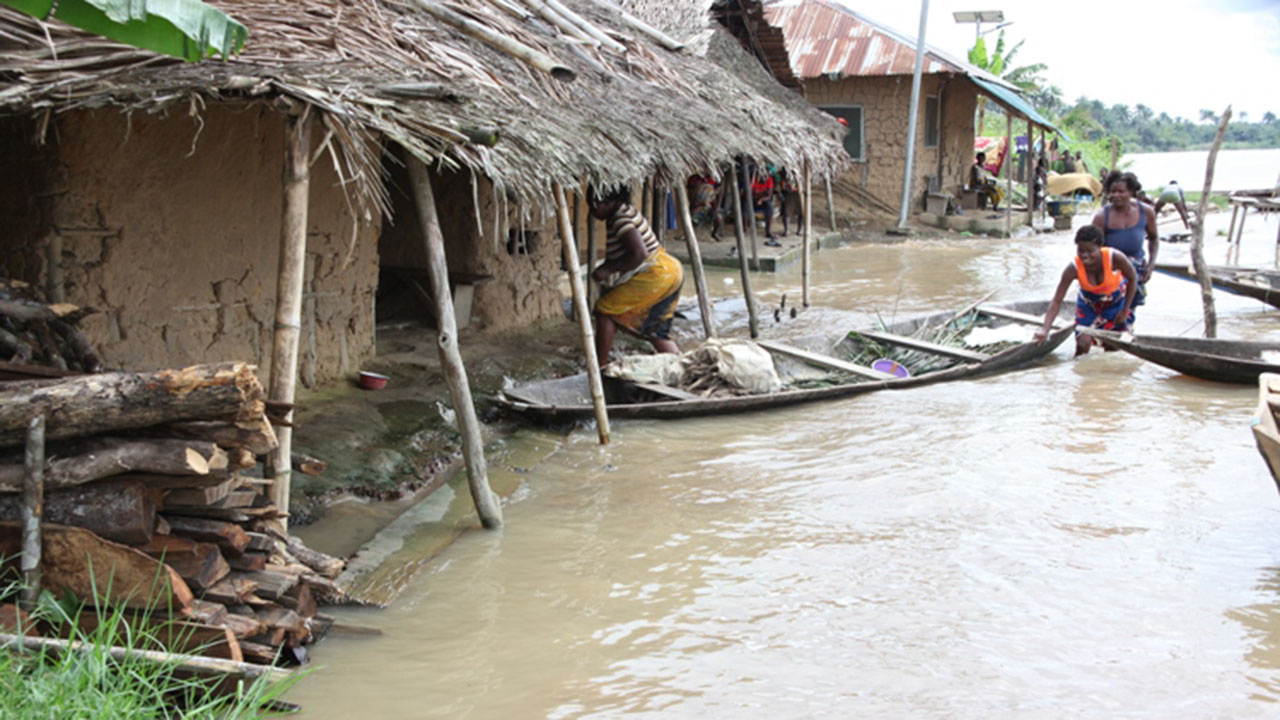

Riverine communities have called on the Federal Government and state governors not to forget them in their palliative plans because of the peculiarities of their terrain.
[ad]
The call followed what they called “total abandonment” in previous government programmes. According to them, in the ongoing subsidy removal and proposed palliatives, not much attention has been given to Riverine people in Rivers State.
Speaking, yesterday, in Port Harcourt, Director General of the Marine Crafts Builders Association, Clem Ifezue, and the Board of Trustees Chairman, Frank Orhenere, among others, noted that some riverine dwellers cannot access health facilities, quality foods due to hike in prices of goods and services occasioned by the removal of fuel subsidy.
They appealed to the government that the ongoing palliative programmes should cover the Riverine people, adding that the association has capacity to produce boats and ambulances that could help to ameliorate the current challenges being faced by the people.
They said: “We have gone through the palliative plans of the government and have seen what the government has in stock. Government has made pronouncements that 3,000 buses should be assembled by local vehicle manufacturers.
[ad]
“We want to urge the government to see how Riverine communities could be accommodated in the palliative plans. Over 50 million Nigerians are living in that axis and not much is being proposed to help them, we have people using boats for transport and to transact businesses.
“If the cost of petrol is N650 per litre in the city, in the rural Riverine communities, it would be N900. And if you translate it to cost of living, you’d notice people are paying much over there.
“So, we appeal to the government to see how their palliative programmes should cover the Riverine people, the association has capacity to produce the boats, we have been doing that for years, we produce boats for the Navy, Army, Customs, Immigration, oil and gas, good and services, gun boats for security, so we have the capacity to take up any challenge government would give us.

“As the government has tasked vehicle assemblers to produce 3,000 buses in the next three years, I don’t think it’s a bad idea if we are given the opportunity to produce 1,500 boats that would help alleviate the sufferings of people living in the Riverine communities.
“We are together in this; we assure the government that we have the capacity to produce any number of boats to alleviate the suffering.” The group noted that if the government can trust the boat builders with any challenge, they will not only improve the lives of the rural communities but will create employment, save money, and even contribute to the economic growth of the country.
[ad]

